China Beyond Travel · Updated
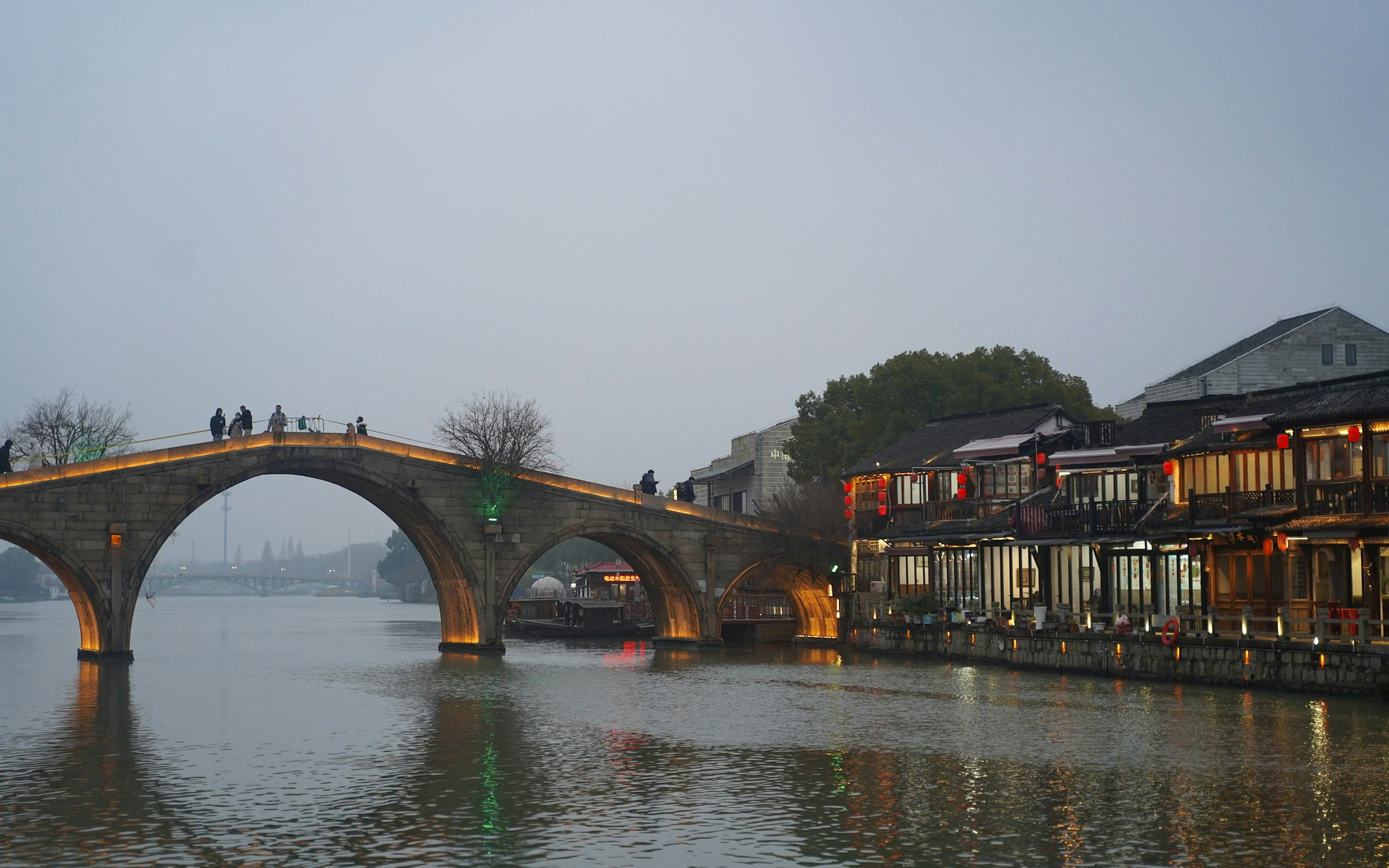
Jiangnan is a cultural region, not another province to tick off. For this guide, the focus is Shanghai, southern Jiangsu and northern Zhejiang: a useful framework for connecting contemporary city life with gardens, canals, tea hills and living traditions. The boundaries of the idea are wider and debated; the journey can be personal and precise.
Follow connections, not administrative borders
A Jiangnan journey can be organised around water, cultivated landscapes and the arts of everyday life. Shanghai, Suzhou, Wuxi and Hangzhou bring different versions of that story. Nanjing or Shaoxing can add another chapter if their history or food especially interests you.
The purpose is not to claim these places are the same. A metropolitan neighbourhood, a private garden and a tea-growing hillside create useful contrasts. Leave room for those differences instead of filling the itinerary with a succession of similar canal views.
A first route with a clear rhythm
Begin in Shanghai if its arrival connections suit your wider trip. Give the city time for neighbourhoods and food as well as the skyline. Continue to Suzhou for gardens, then choose between a Wuxi craft-and-lake chapter and more time around Hangzhou’s lake and tea hills.
For around a week, three bases are usually a better starting discussion than five. With ten days or more, an extra place becomes easier to justify. Nanjing may suit a history-led journey; Shaoxing can appeal to travellers interested in literature, rice wine and waterside life. The final direction should follow your interests and departure plans.
Gardens and lakes: learn to see the difference
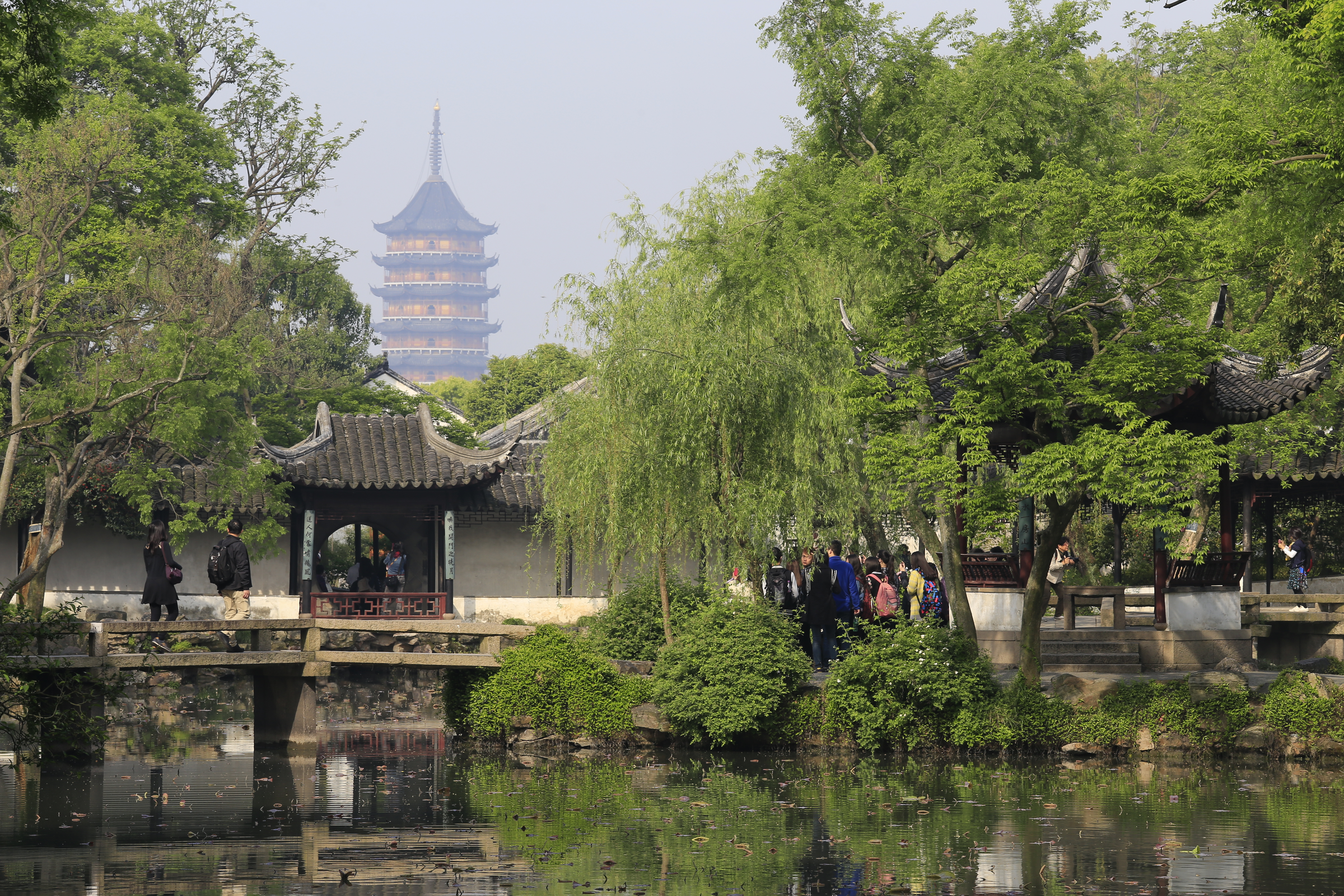
Suzhou’s classical gardens offer intimate, carefully composed spaces. Hangzhou’s West Lake works on a much larger scale, with water, causeways, buildings and surrounding hills. Seeing both can make each clearer, especially if you take the time to notice how a view is framed.
Choose a few meaningful places rather than seek a complete collection. Ask for a day that includes looking, listening and tasting. A garden morning followed by a cultural activity or a leisurely meal often provides more variety than three gardens in succession.
Choose one experience to shape the journey
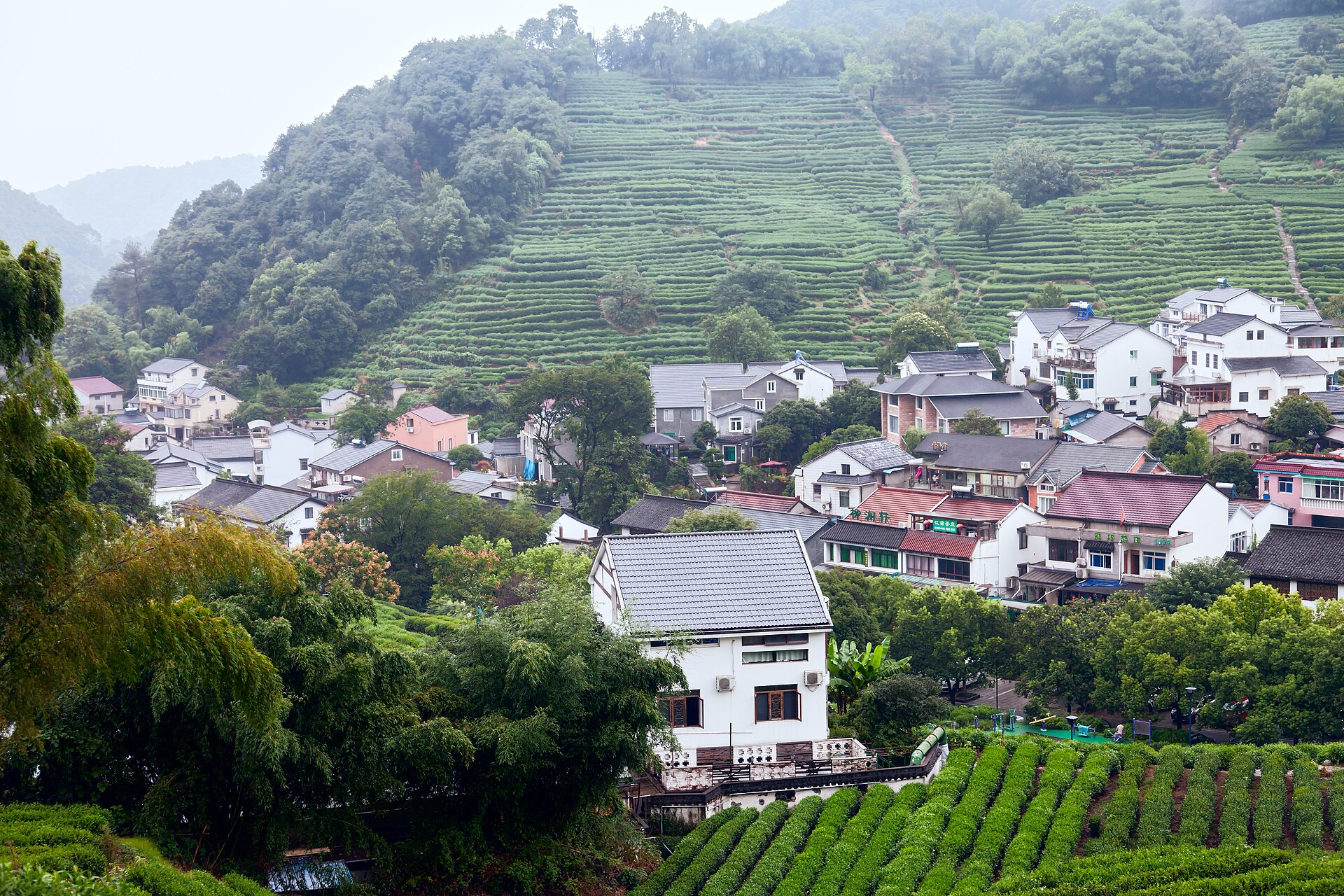
For a craft-led visit, start with Huishan clay or Su embroidery. For performance, explore Kunqu with some explanation of the scene and gestures. For tea, use Hangzhou as the setting for tasting and understanding a working landscape. One well-chosen activity can give the trip a personal centre.
Keep the format clear. Watching a specialist at work, trying an introductory technique and completing a longer course are different commitments. The length of the trip should allow time for the experience itself and for anything that needs drying, packing or later delivery.
Let food tell you where you are
Use meals to keep the journey specific: a Shanghai dumpling introduction, a Suzhou noodle breakfast, Nanjing salted duck if that city is included, or a Shaoxing meal that explores local preserved flavours. A tasting works best when you understand the dish and have time to enjoy it, not when the afternoon is a race between queues.
For vegetarians and guests with other dietary preferences, plan beyond dish names. Stocks, cooking fats, sauces and cooking wine can matter. Tell us what you enjoy as well as what you avoid, so that food remains a positive part of the journey.
A different kind of comfort
Comfort can mean fewer hotel changes, a well-timed transfer, a quiet meal or a guide who knows when to pause. Choose where to spend: an especially good city base, an extra night to slow the route, or deeper interpretation of a subject you love.
Old lanes and historic buildings may have steps, narrow access or uneven paving. Let us know your mobility and luggage needs before selecting a characterful stay or a long walking day. A private itinerary should make the route fit the traveller, including when that means leaving something out.
Travel with the season
Spring can make tea and garden visits particularly appealing; autumn is another useful starting point for an outdoor cultural circuit. Neither season guarantees clear skies or quiet streets. Keep a flexible mix of walking, museums, food and indoor craft.
A rain shower does not need to spoil a Jiangnan day, but persistent rain and summer heat can change what is comfortable. Choose hotels and transfers that make adjustments easy. The early-May and early-October holiday periods should be considered when deciding between otherwise similar travel dates.
Read further, then make it yours
Use the province guides for greater depth, and the city pages for places and sample journeys. These are building blocks rather than compulsory stops. Tell us which image, flavour or cultural subject first drew you here; it is often the best starting point for a route that feels like your own.
When to go.
- March–April
- Consider gardens and spring tea; build flexibility around rain and the actual harvest window.
- May
- A possible mixed city-and-countryside month, with national holiday dates checked first.
- June–August
- Shift longer walks away from the hottest hours and protect indoor time during humid or rainy periods.
- September–November
- Consider a broader cultural circuit, allowing for early-October crowds and cooler late-autumn days.
- December–February
- A food-, museum- and craft-led itinerary can work well with warm layers and shorter walks.
These are seasonal planning suggestions, not a weather forecast. Exact harvests, flowering, festivals and site access vary; we check them when shaping your dates.
Good to know before you go.
- A small, flexible packing list
- Bring a compact umbrella, a light rain layer and comfortable grippy shoes. Add breathable clothing in summer and warm layers for damp winter days.
- Plan for luggage as well as scenery
- Canal lanes and historic accommodation may have steps or limited vehicle access. A smaller day bag and a clear luggage-transfer plan help keep hotel changes simple.
- Make a rainy-day version
- Pair outdoor gardens and lake walks with museums, tea or a craft session. Agree which activities matter most so the day can be rearranged around the weather.
- A short rail trip still has transfers
- Check the exact station and allow for getting there, security and luggage. Do not schedule a workshop to finish just before your train leaves.
Sources & editorial approach
Written by China Beyond Travel from cultural and destination research. Route pacing and suggested combinations are our editorial recommendations. Cultural background sources are linked below; we check current visitor arrangements when planning your trip.