LOOK CLOSER. UNDERSTAND MORE.

Chinese Medicine Discovery.

Approach Chinese medicine through its history, objects, language and living traditions. From a first museum visit to a focused study itinerary, begin with the questions you want to explore.

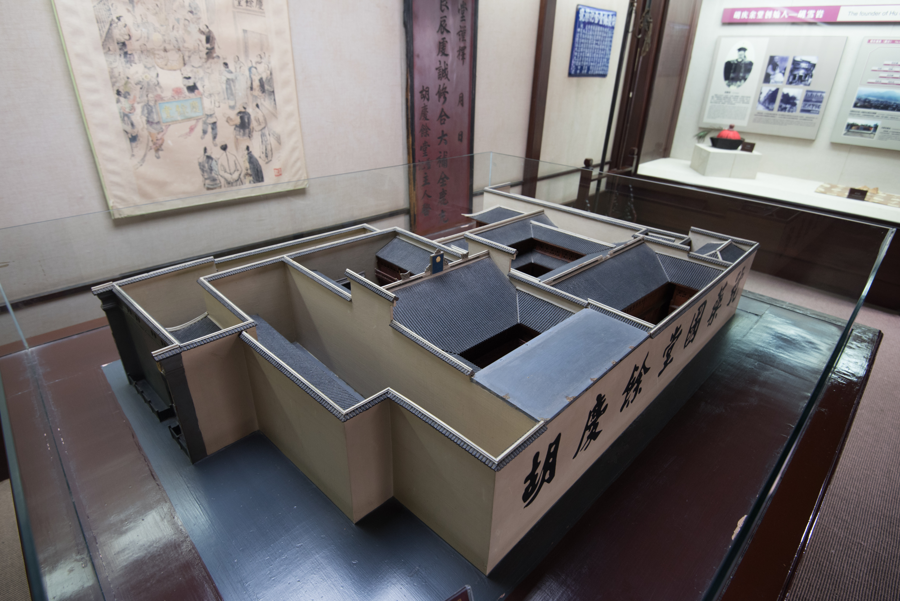
Hu Qing Yu Tang pharmacy hall, Hangzhou

General cultural visits and professional study have different arrangements. Tell us your background and learning goals; institutional access, specialist hosts and any observation are confirmed individually. A visitor study itinerary does not confer a clinical qualification.

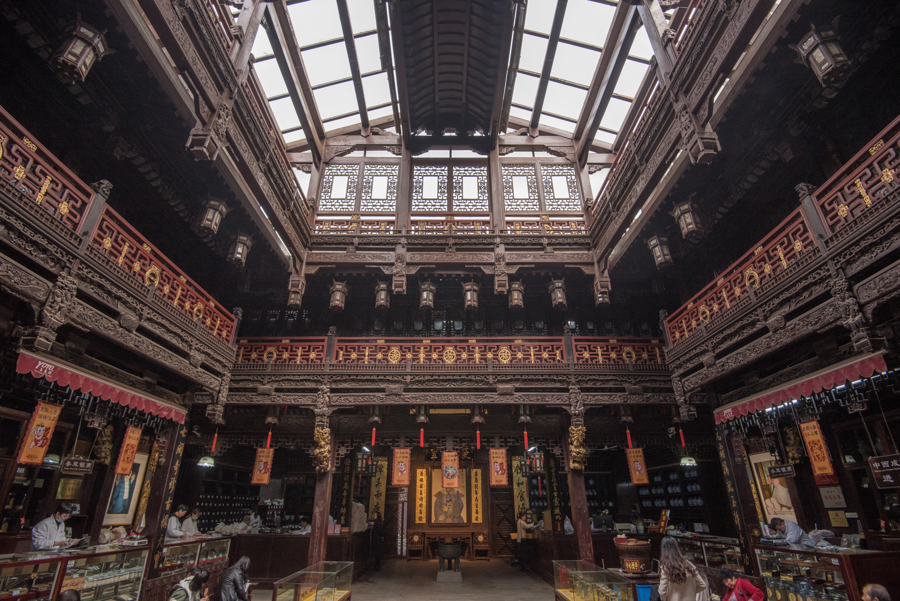
Hu Qing Yu Tang pharmacy hall, Hangzhou

Inside a Historic Pharmacy

Step into the world of wooden drawers, scales and handwritten traditions. A historic pharmacy reveals how medicine, commerce and urban life grew together.

Explore this idea

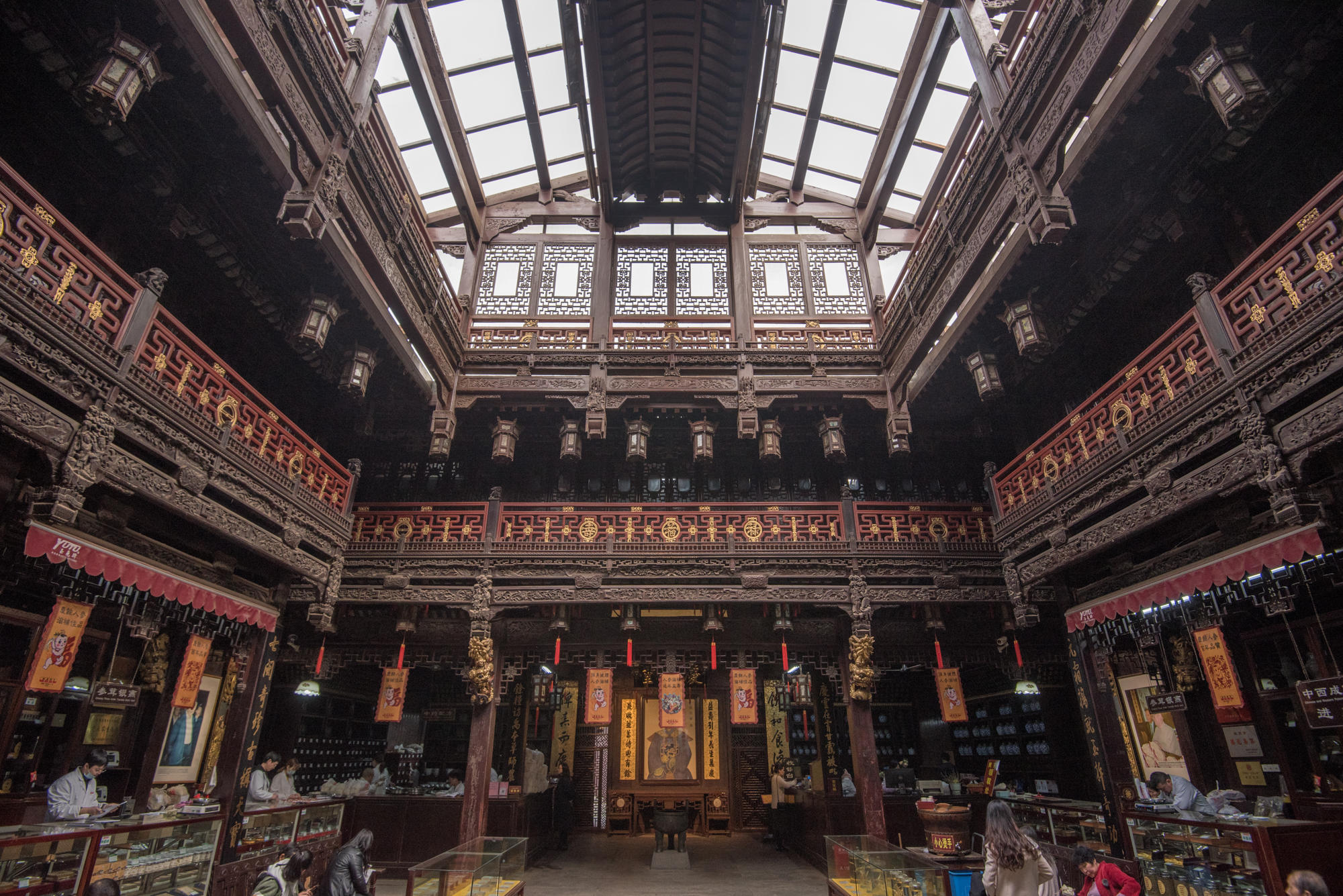
Hu Qing Yu Tang in Hangzhou offers a concrete starting point through its historic buildings and Chinese medicine museum. A cultural visit can look at the organisation of a pharmacy, the objects used in preparation and the relationship between a public shop and the knowledge behind it.

What we can discuss

  • Read the architecture and layout of a traditional pharmacy.
  • Look closely at drawers, balances and preparation tools as historical objects.
  • Combine a museum visit with Hangzhou’s historic streets and a wider cultural itinerary.

Museum access and demonstrations depend on the arrangements confirmed for your visit. A visit does not imply a partnership with the pharmacy.
Include this in my journey ↗
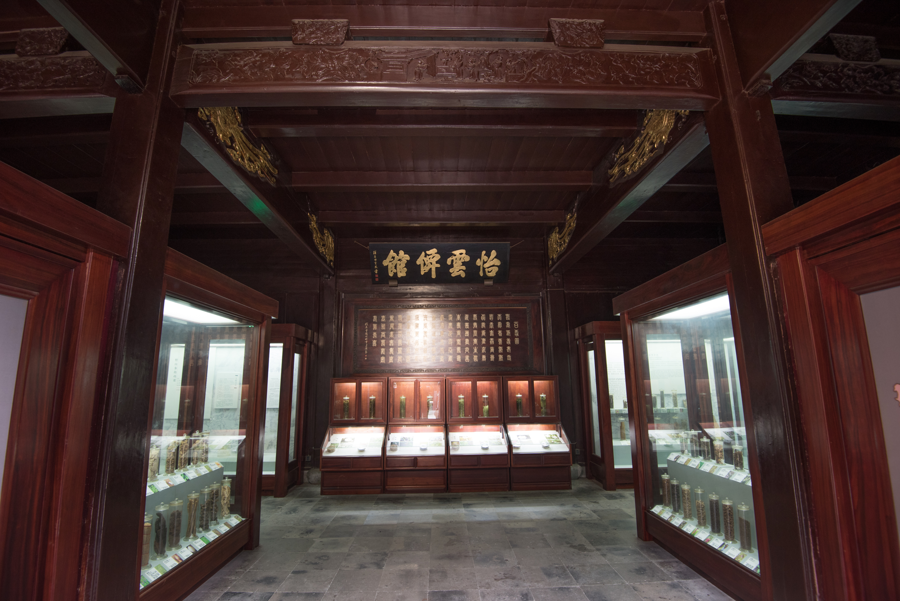
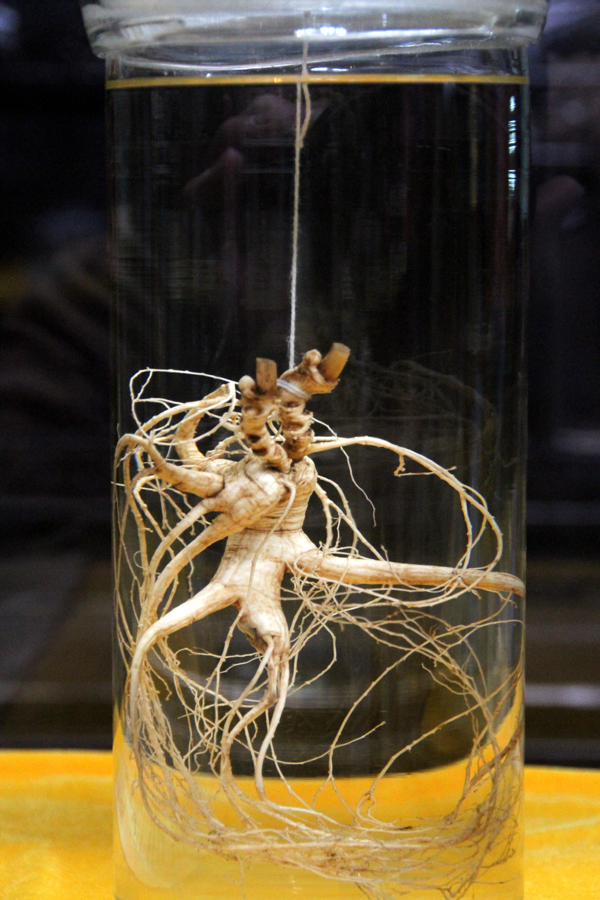
Ginseng display at Hu Qing Yu Tang, Hangzhou

Plants, Names & Materia Medica

Learn to look at roots, leaves and seeds as objects with names, histories and routes of exchange—not simply as things to buy or consume.

Explore this idea

An educational session can introduce selected specimens, how their names are written and the role of classification in Chinese materia medica. The emphasis is on recognising a cultural tradition and asking better questions, rather than identifying remedies for personal use.

What we can discuss

  • Compare selected specimens and discuss their place in traditional knowledge.
  • Explore the Chinese names and the stories behind familiar ingredients.
  • Look at how historical trade and local environments shaped the pharmacy.

No self-prescribing, tasting of medicinal materials or personal herbal recommendations are included.

Include this in my journey ↗
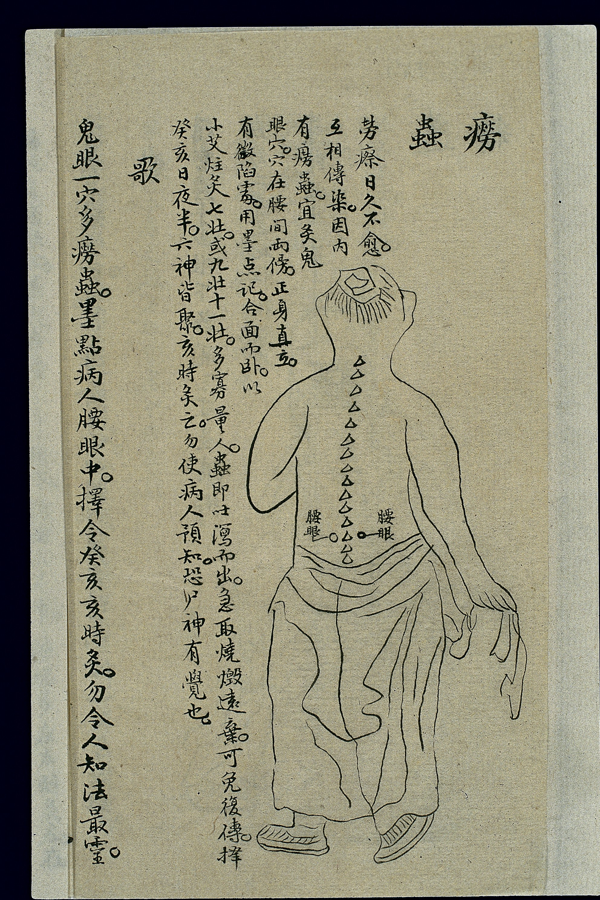
Historic Chinese moxibustion woodcut; Wellcome Collection

Reading the Ideas Behind TCM

Find your way into a vocabulary of seasons, relationships and patterns. An introduction to classical ideas helps make museum displays and conversations more meaningful.

Explore this idea

Topics can include yin and yang, the five phases and the relationship between the body and the natural world in traditional Chinese thought. These are introduced as historical and cultural frameworks, with a clear distinction between understanding a tradition and evaluating a treatment’s clinical evidence.

What we can discuss

  • Explore selected terms in Chinese and English.
  • Read a short historical passage or diagram with explanation.
  • Connect medical ideas with the wider world of Chinese philosophy and everyday culture.

The session is educational and does not offer a diagnosis or clinical advice.

Include this in my journey ↗
Traditional preparation tools displayed at Hu Qing Yu Tang, Hangzhou

The Craft Behind the Counter

A balance, a grinding surface, a carefully arranged drawer: the material world of Chinese medicine rewards patient observation.

Explore this idea

A museum-based introduction can focus on how preparation tools were used and how skills were passed on. Where a supervised cultural demonstration is available, it can be discussed as an addition to the visit; handling medicine or entering a working preparation area is not assumed.

What we can discuss

  • Study the design and use of historical preparation tools.
  • Discuss why precision and apprenticeship matter in a craft tradition.
  • Explore a demonstration where access and an appropriate host are confirmed.

Visitors do not prepare prescriptions or take part in clinical work.

Include this in my journey ↗
Historic interior at Hu Qing Yu Tang, Hangzhou

From Knowledge to Living Heritage

Explore how a medical tradition is also a cultural inheritance, carried through teaching, objects and practices that change with each generation.

Explore this idea

Acupuncture and moxibustion of traditional Chinese medicine were inscribed on UNESCO’s Representative List in 2010. Their heritage status concerns cultural transmission; it is not a guarantee of clinical effectiveness or an invitation for visitors to perform treatment. Seasonal Daoyin offers a further way to explore the relationship between learning and participation.

What we can discuss

  • Learn what intangible cultural heritage recognises and protects.
  • Explore how formal teaching and apprenticeship coexist.
  • Connect a cultural introduction with appropriate movement or material demonstrations.

Observation involving patients requires the institution’s permission and patients’ consent; access is never assumed.

Include this in my journey ↗
Preparation tools in a museum setting, Hangzhou

A Study Journey Around Your Questions

Shape a more focused visit around your interests: medical history, material culture, movement traditions or an exchange of professional perspectives.

Explore this idea

A general-interest study visit might combine a museum, a historic pharmacy and a cultural conversation. For students or professionals, the first step is to discuss the intended subject, level and type of host. An institutional exchange is a separate arrangement, dependent on permission and confirmed access.

What we can discuss

  • Share the subjects and depth you would like to explore.
  • Discuss the balance between guided visits, conversation and time for independent observation.
  • Build the wider city and cultural itinerary around the confirmed learning arrangements.

No academic credit, clinical placement, certification or access to a named institution is promised.

Include this in my journey ↗

A journey shaped around your interests.

Choose a starting point and tell us what you would like to understand or experience. We’ll discuss how it can fit into your wider China journey.

Customize your journey ↗