China Beyond Travel · Updated
Jiangsu rewards looking closely. A window can frame a whole garden; a small clay figure can open a conversation about family wishes and local identity. Begin with the southern cities, then decide whether your curiosity leads towards imperial history, a lakeside pause or a morning spent making something with your hands.
Read the landscape
The province is larger and more varied than the familiar image of white walls beside a canal. This first journey concentrates on southern Jiangsu and its connections with Shanghai and Zhejiang. Suzhou, Wuxi and Nanjing each deserve their own rhythm; treating them as interchangeable historic towns misses much of their appeal.
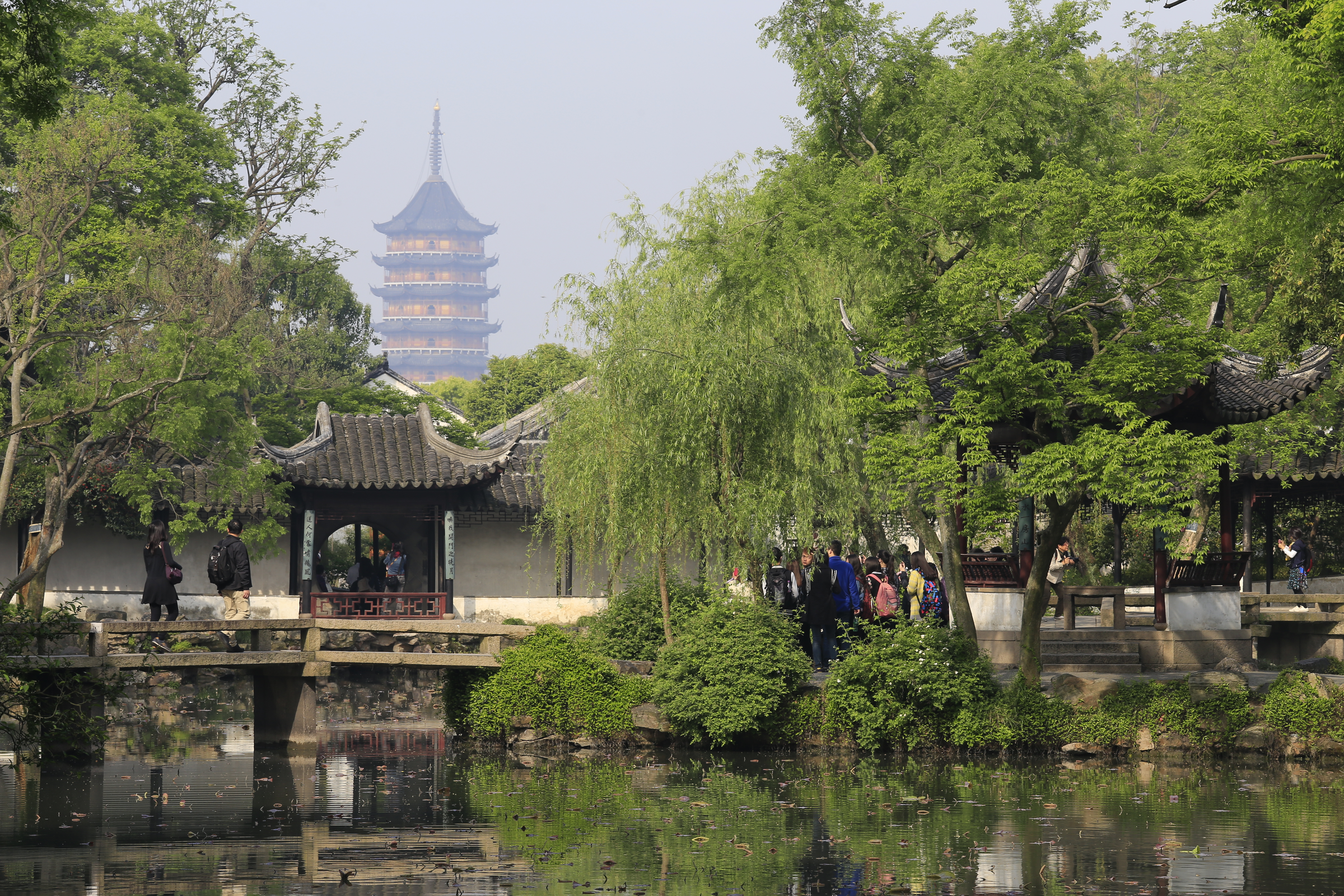
In Suzhou, garden design turns a limited space into a changing sequence of views. Rock, water, planting and architecture work together. Rather than photograph every pavilion, pause at a doorway, then move a few steps and notice how the composition changes.
Choose your cities
Suzhou is a good base for gardens, embroidery and canal neighbourhoods. Choose one major garden, such as the Humble Administrator’s Garden, and leave room for lanes and a meal. A second garden is most rewarding when you compare its scale and design, rather than simply add another famous name.
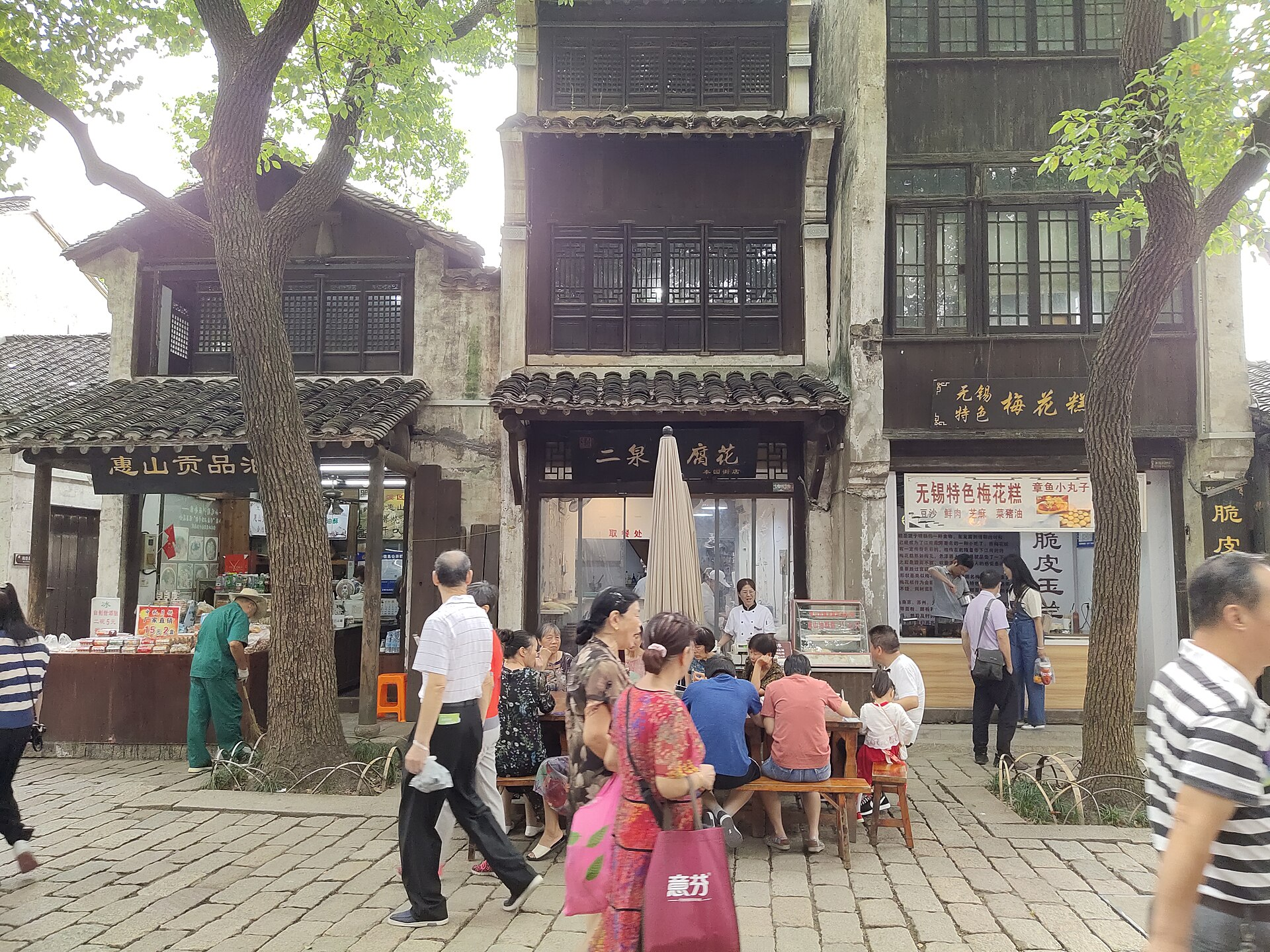
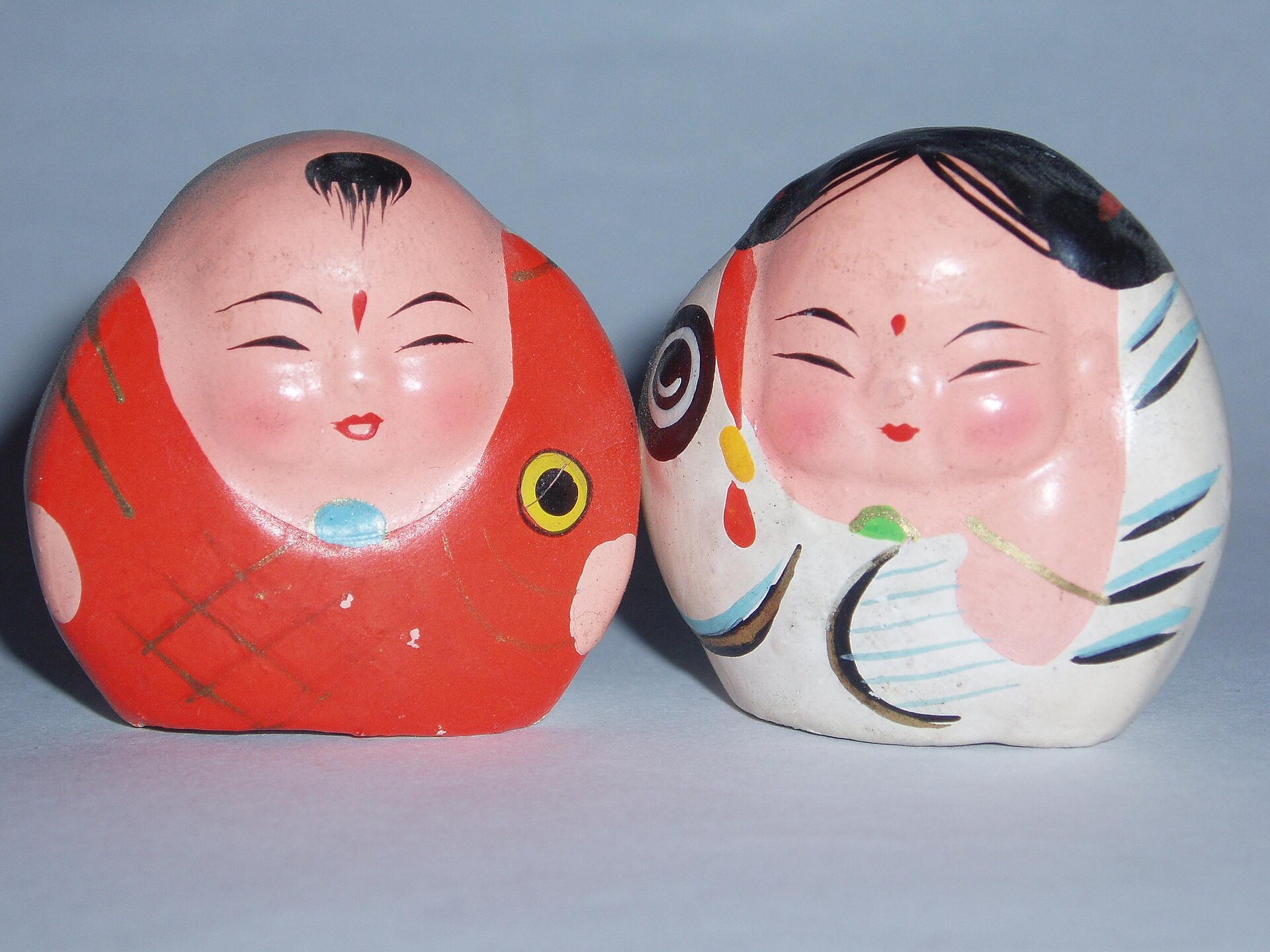
Wuxi gives the journey a different focus: Huishan’s historic streets, the detail of Jichang Garden and a broader lakeside landscape at Taihu. It is also the place to explore Huishan clay figures. Nanjing shifts the story towards former capitals, city walls, the Qinhuai area and brocade. Yangzhou and Yixing are worthwhile directions for a longer food- or craft-led trip; neither needs to be squeezed into a short Suzhou visit.
Listen, watch and make
Kunqu developed around Kunshan in the Suzhou region. Its appeal lies as much in gesture, movement and musical phrasing as in following every word. An introduction to the characters and scene can make a short extract more meaningful for a first-time listener.
Choose a craft by the process that interests you. Su embroidery invites close attention to thread and detail; Nanjing Yunjin is about complex weaving; Yixing connects clay to tea culture. At Huishan, shaping clay and painting a prepared A Fu are different experiences. Painting gives you a character to interpret through colour; shaping begins with the material itself.
Eat beyond a single regional label
Let meals distinguish the cities. Nanjing’s salted duck offers a different introduction from a Suzhou noodle breakfast. Around Wuxi, try a local meal alongside the craft visit rather than filling the day with sightseeing and eating whatever is nearest the last attraction. A Yangzhou extension can make Huaiyang cooking a subject of the trip itself.
For vegetarians, a vegetable dish or a bowl of noodles is not enough information: ask about stock, lard, dried shrimp and toppings. Tell us whether you also avoid eggs, dairy, onion or garlic. These preferences change the restaurant choices and the way a food experience should be planned.
Build days with breathing space
For two days, choose one city and its surroundings. Four or five days can combine Suzhou and Wuxi with time for one substantial craft experience. With roughly a week, add Nanjing or build a more food-focused extension towards Yangzhou. These are planning suggestions, not claims that every sight fits a fixed timetable.
Our preferred pattern is one substantial cultural visit, a proper lunch and one lighter afternoon activity. A workshop should not be fitted into the spare minutes before a train. Leave a separate window for drying, packing or discussing how a handmade item can travel.
Stays, transfers and the details that matter
Choose accommodation by the neighbourhood you want to use, not only its star rating. A central base can make a quiet morning walk possible; a lakeside stay creates a different kind of day but may add driving to city visits. Consider stairs, vehicle access and luggage handling when choosing a characterful historic property.
Intercity rail can work well between the principal cities, while a car may be more practical for workshops and lakeside stops. Check the exact station, not just the city name, before arranging a transfer. Keep a museum, tea stop or indoor craft session available when rain changes a walking day.
Small choices, a richer visit
A working canal lane is also somebody’s neighbourhood. Keep doorways clear and ask before photographing people at close range. At performances, let the venue’s rules guide photography. At craft demonstrations, watching an expert is valuable in itself; a short introductory session should not be presented as mastery of a demanding traditional skill.
When to go.
- March–April
- Spring gardens and blossom-led walks; bring a light rain layer and treat flowering dates as variable.
- May
- A useful starting point for mixed city and outdoor days; check holiday dates before choosing the week.
- June–August
- Plan for humidity, rain and summer heat. Put longer walks earlier and protect indoor time.
- September–October
- Consider gardens, lakeside days and food-focused travel; the early-October holiday can change the pace.
- November–February
- A quieter visual palette and colder days suit museums, crafts and shorter walks. Plan for damp cold.
These are seasonal planning suggestions, not a weather forecast. Exact harvests, flowering, festivals and site access vary; we check them when shaping your dates.
Good to know before you go.
- Layers for changing days
- In spring and autumn, bring a light outer layer. In summer, choose breathable clothing and a rain layer; winter can feel damp and cold, so add a warmer coat.
- Shoes for gardens and lanes
- Wear comfortable shoes with grip. Wet paving, garden steps and canal-side lanes can be slippery; historic sites may not offer a step-free route throughout.
- Rain need not waste a day
- Carry a compact umbrella and keep embroidery, clay, museums or tea as indoor options. A flexible afternoon works better than a tightly timed walking circuit.
- Book the details, not just the train
- Museum reservations, holiday crowds and the exact arrival station can change a day. Carry the identification used for your bookings and allow time for the last transfer.
Sources & editorial approach
Written by China Beyond Travel from cultural and destination research. Route pacing and suggested combinations are our editorial recommendations. Cultural background sources are linked below; we check current visitor arrangements when planning your trip.