China Beyond Travel · Updated
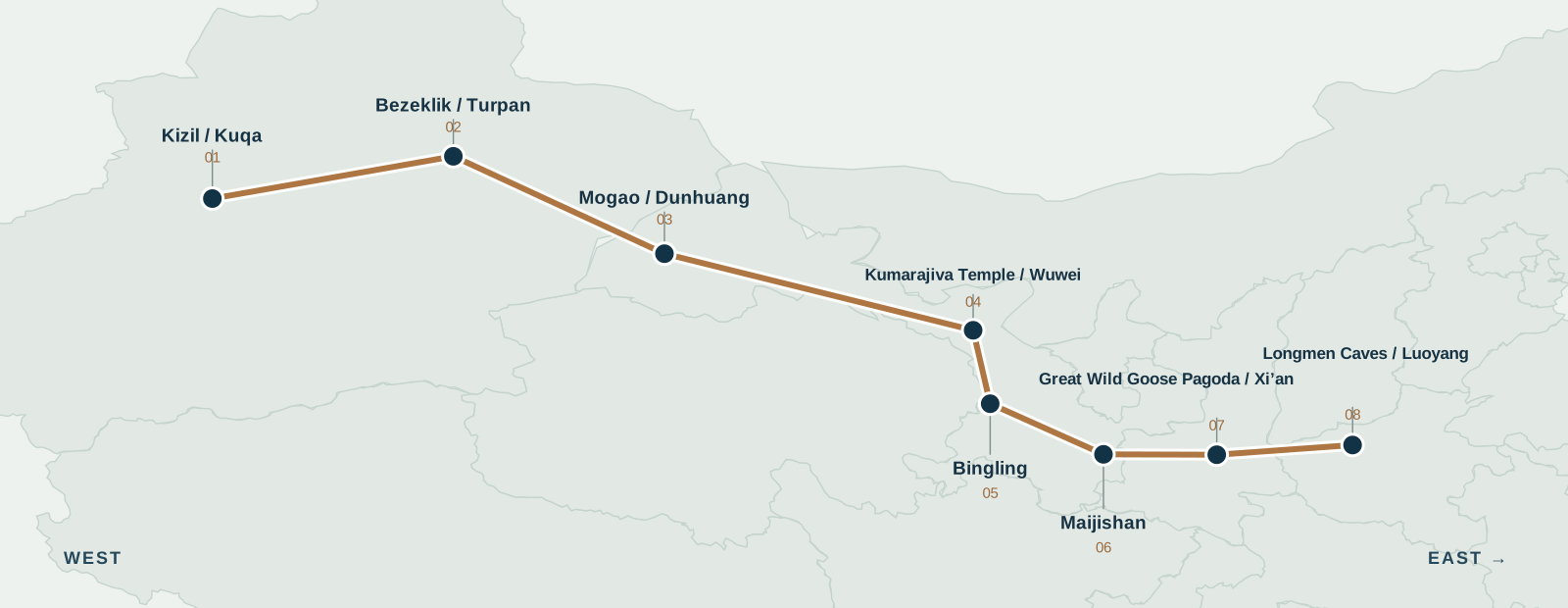
The Silk Roads were networks, not a single straight highway. Merchants, envoys, monks, craftspeople and local communities moved goods, languages, artistic forms and religious ideas between regions. In China, a journey can trace an accessible west-to-east chapter from the Xinjiang oases through the Hexi Corridor to Chang’an and Luoyang. The places below belong to different centuries; they should not be presented as simultaneous stops on one ancient expedition.
Oasis worlds
In the Tarim Basin, Buddhist art is one visible record of a more complex exchange among oasis societies.
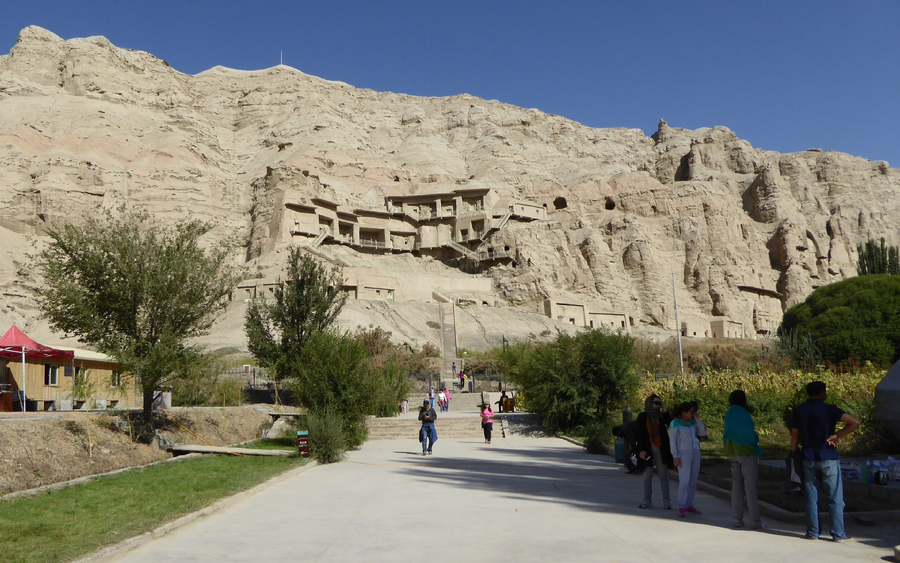 XINJIANG · KUQA
Kizil Caves
Murals near ancient Kucha show connections across Central Asia and the changing visual language of Buddhism.
Plan your visit Access to individual caves and photography rules require advance checking.
Explore Kizil Caves ↗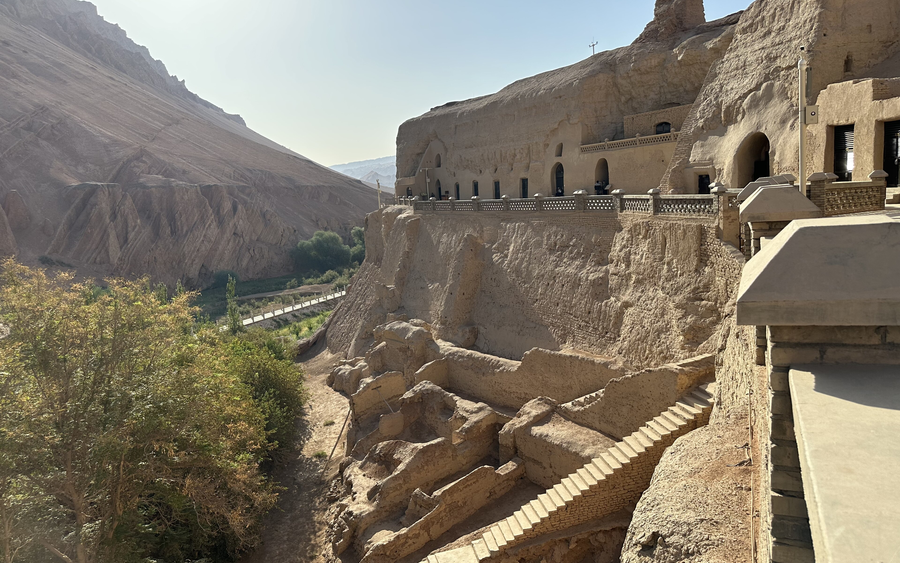 XINJIANG · TURPAN
Bezeklik Caves
Cave art around Turpan opens a different oasis chapter; nearby ruins also speak to settlement and travel.
Plan your visit Allow a separate Turpan day rather than treating the caves as a quick transit stop.
Explore Bezeklik Caves ↗
The Hexi passage
Fortified frontiers, desert cities, temples and rock-cut art tell different parts of the corridor story.
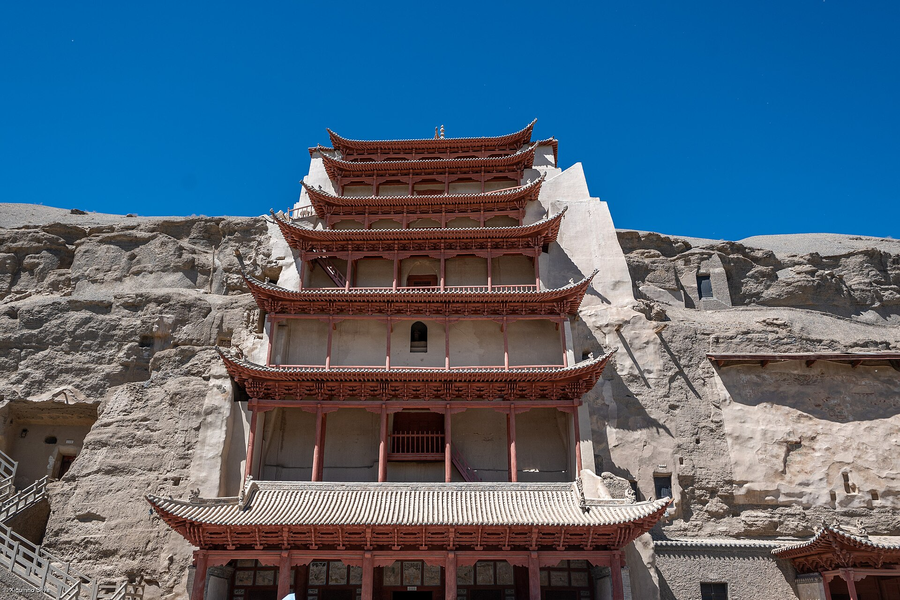 GANSU · DUNHUANG
Mogao Caves
A major art and manuscript site, shaped over many centuries by patrons and travellers.
Plan your visit Cave access and visitor routes are managed; confirm current booking rules.
Explore Mogao Caves ↗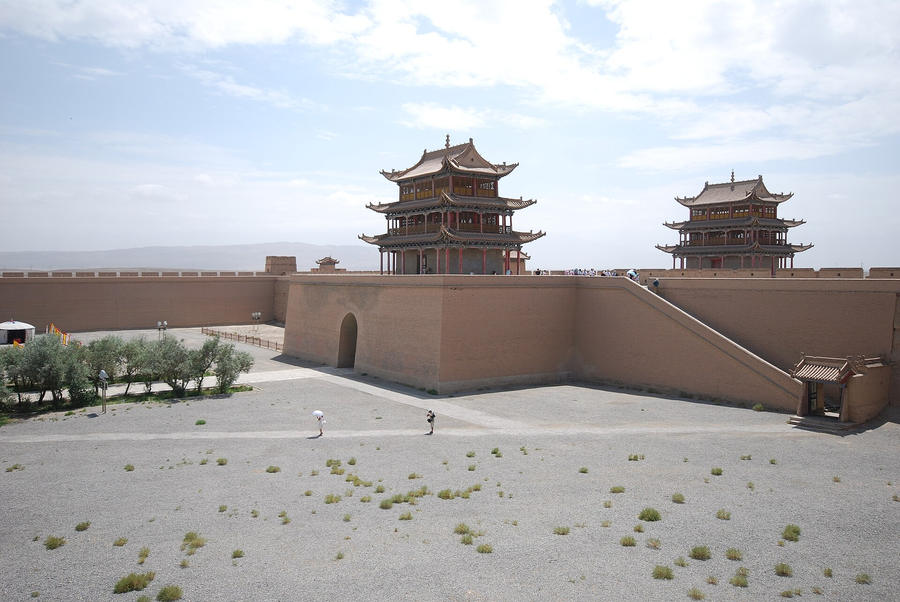 GANSU · JIAYUGUAN
Jiayuguan Fortress
A Ming frontier fortress adds the military and administrative story to the cultural exchange around the corridor.
Plan your visit Its period differs from the earliest Buddhist cave sites.
Explore Jiayuguan Fortress ↗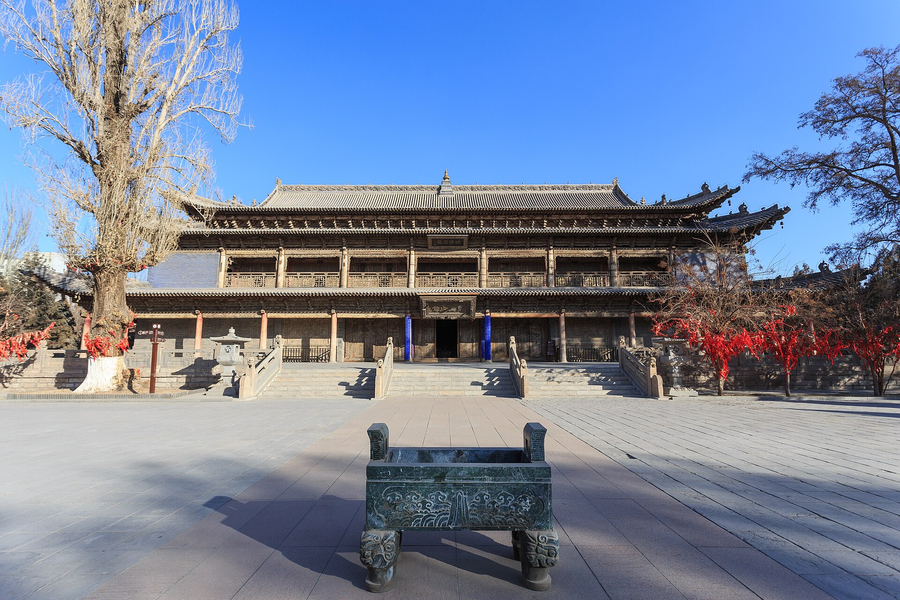 GANSU · ZHANGYE
Zhangye
A corridor town where monumental Buddhist art, local markets and changing landscapes can be read together.
Plan your visit Separate the city heritage from the farther Danxia landscape in your daily plan.
Explore Zhangye ↗
Old capitals and translation
The eastern end connects caravan networks to courts, urban life and the translation of ideas into Chinese.
 SHAANXI
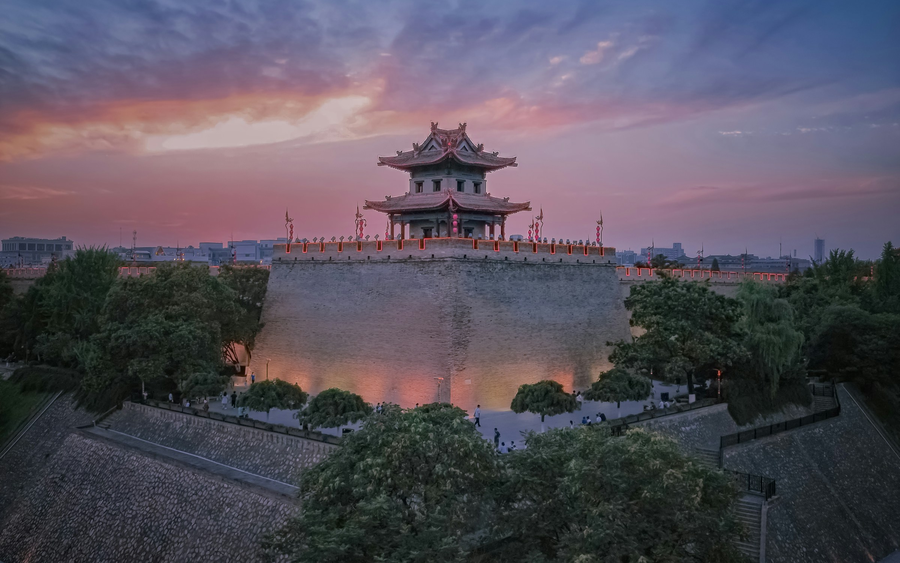
Xi’an
Chang’an was a cosmopolitan capital. Its temples, city fabric and collections hold threads of trade, diplomacy and Buddhist translation.
Plan your visit A museum visit can help connect the route before or after the western section.
Explore Xi’an ↗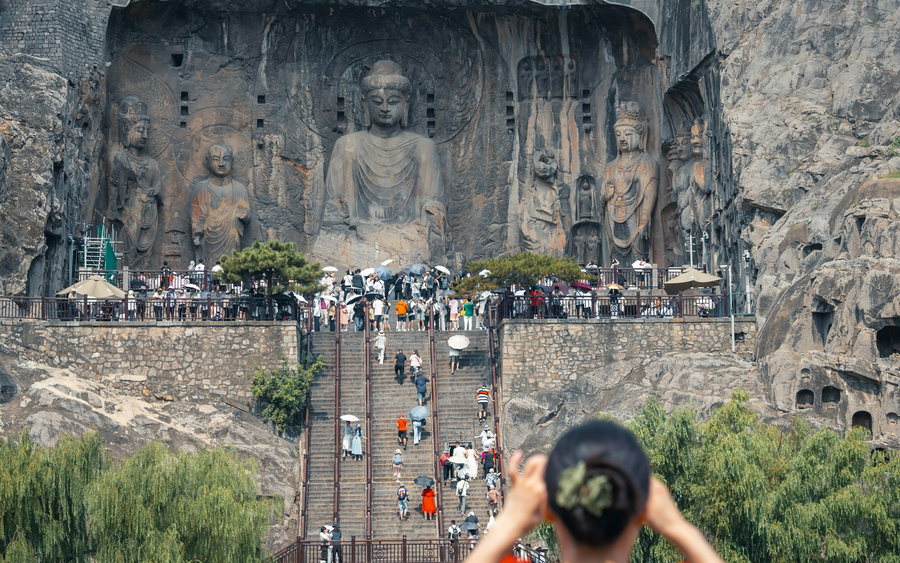 HENAN
HENANLuoyang
Longmen sculpture and the city’s Buddhist associations show how ideas took new forms in the Chinese heartland.
Plan your visit Longmen and White Horse Temple need their own time, rather than a single brief stop.
Explore Luoyang ↗
Make the journey your own.
- Choose a theme: cave art, ancient trade, frontier history, faiths, food or landscape. A shorter Gansu route and a longer Buddhist-art journey answer different interests.
- China’s Silk Roads are one part of wider networks across Central Asia; this guide does not attempt to recreate the entire transcontinental system.
- Distances are substantial and protected sites manage access. Agree the order, transport and available visits for your dates.
Sources & editorial approach
Place associations are drawn from the sources below. Suggested combinations and pacing are our own; current visitor access is checked when planning.