← All destinations TEA FORESTS & LIVING VILLAGES / 1 ROUTE

Pu’er & Jingmai Mountain.

Jingmai Mountain offers a tea journey shaped by forests and communities, where cultivation is part of a living cultural landscape rather than simply rows of plantation bushes.

Discover
Pu’er & Jingmai Mountain

Jingmai Mountain offers a tea journey shaped by forests and communities, where cultivation is part of a living cultural landscape rather than simply rows of plantation bushes.

Within the wider Pu’er region, Jingmai deserves an overnight base and time on foot. Learn how tea grows among trees, visit welcoming public village spaces and taste with context. Pu’er city and Jingmai are a substantial road journey apart.

Spring and autumn are rewarding, with weather-dependent walks. Ask before entering working plots or homes; tea harvesting and demonstrations are seasonal.
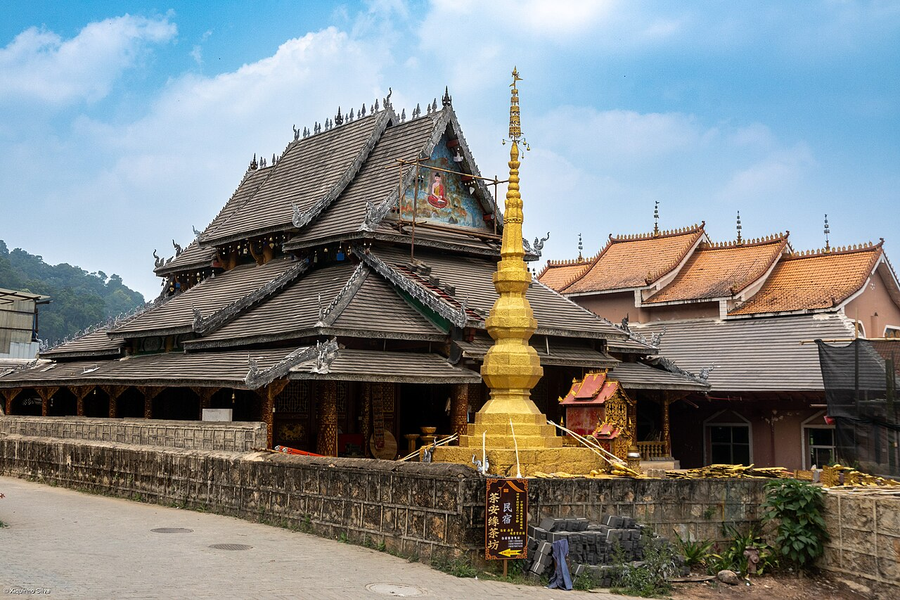
Village architecture on Jingmai MountainVillage architecture on Jingmai Mountain
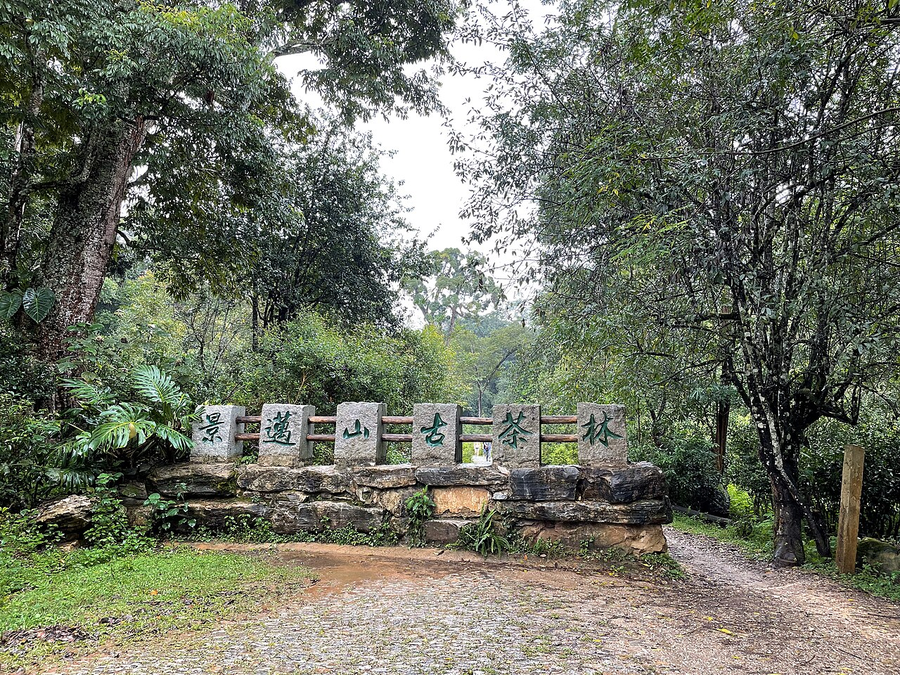
Old tea forest on Jingmai MountainOld tea forest on Jingmai Mountain

Different sides.
A fuller picture.

Find the places and stories that matter to you, then give them the time they deserve.

Jingmai’s forest-grown tea

Jingmai’s tea landscape is about the relationship between forest, cultivation and community. Walk with context: the tea trees are part of a working landscape, not an open field to wander through freely. Discuss seasonal activity, path conditions and the kind of visit a host can actually offer.

Villages & living traditions

Nuogan and Wengji are among the villages associated with a Jingmai journey. Architecture, household rhythms and community traditions are as important as a tea tasting. Keep photography respectful, ask before entering homes and avoid turning religious or family spaces into a staged backdrop.

Pu’er is a large region

Pu’er city, Jingmai Mountain and other tea areas are not one compact sightseeing district. Choose whether the trip is centred on the mountain villages or includes the city and a wider regional introduction. A tea journey is better with fewer transfers and time to compare leaves, preparation and tastes.

Time well spent.

2–3 days · Jingmai focus

Arrive at a suitable mountain-area base, allow a full day for villages and a hosted tea encounter, then leave time for the onward transfer.

4 days or more · a wider tea journey

Add Pu’er city or another tea-growing area with its own transfer day. Avoid promising harvest participation outside the relevant season.

At the local table

A guided tasting can compare tea styles and explain storage and preparation without pressuring visitors to buy. Village meals introduce regional ingredients; availability depends on the host and season.

Choosing your base

Pick the base around Jingmai if the forest villages are the priority. Clarify driving times from the actual arrival point and plan for rain, uneven paths and limited evening services.

A closer connection.

Choose what interests you. We’ll confirm the people, setting and details in your personal proposal.

Tea with Context

Meet a host by arrangement for a tea tasting that explains local cultivation and preparation without pressure to buy.

Ask about Pu’er & Jingmai Mountain