Make space for a different rhythm: a quiet movement session, an introduction to Tuina, or a conversation about the changing seasons. These experiences bring Chinese wellbeing traditions into your journey at a pace that suits you.
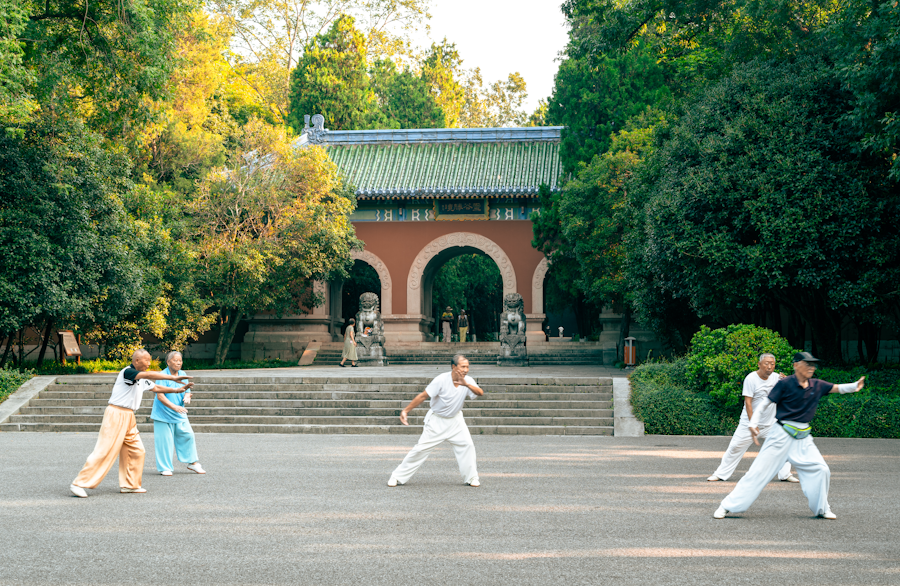
Taijiquan practice at Linggu Temple, Nanjing
06 IDEAS TO DISCUSS
Tell us what appeals to you and your preferred pace. We’ll confirm the host, setting and type of session in your proposal. Hands-on sessions are subject to suitability checks; clinical consultations and treatment follow a separate medical pathway.
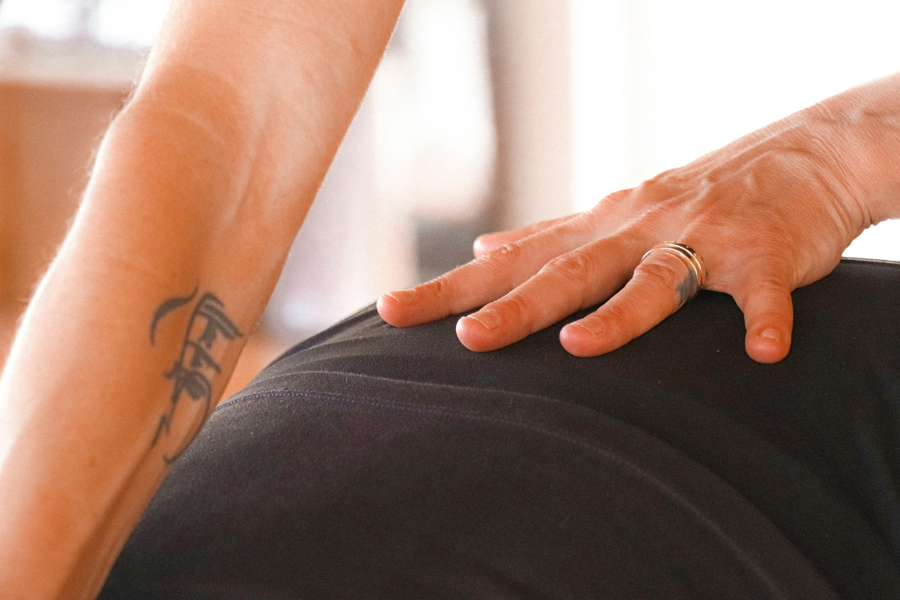
Illustrative bodywork photograph; not a specific Tuina session or partner venue
BODYWORK & TOUCH
An Introduction to Tuina
Discover the rhythm and skilled hand movements of Chinese Tuina, with an introduction to its place in everyday wellbeing.
Explore this idea +
A wellbeing session can focus on relaxation and an explanation of the approach, with the pressure and format agreed with the provider. The experience is different from clinical Tuina used to assess or treat a condition: that belongs with a qualified medical provider.
What we can discuss
Understand the difference between rolling, kneading and pressing as cultural techniques.
Discuss a suitable non-medical session and your comfort preferences with the provider.
Leave unhurried time before or after the session rather than filling the day with sightseeing.
Clinical manipulation and treatment are not included in a general wellbeing experience.
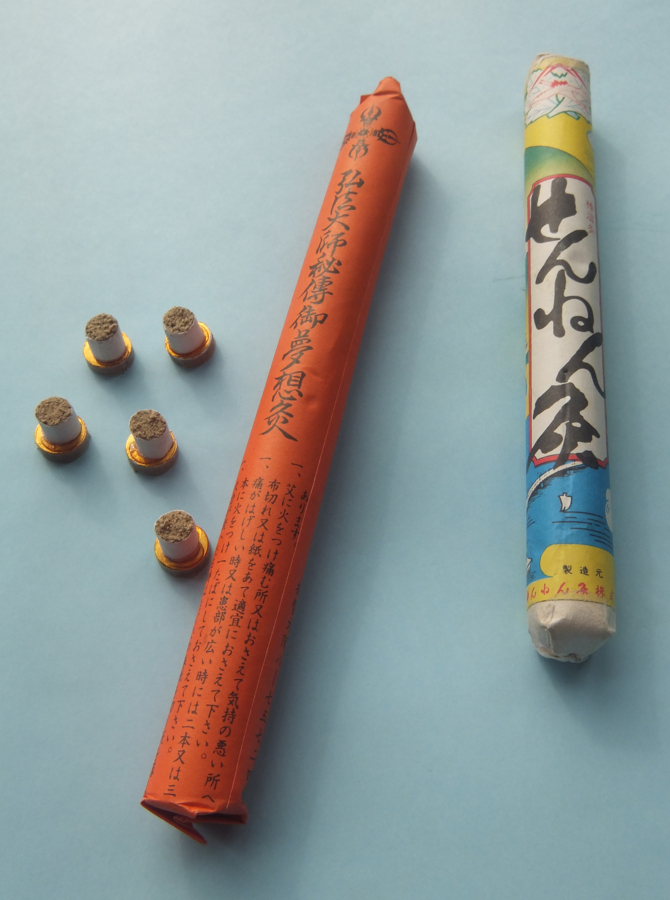
Moxa rolls and materials; illustrative photograph from Japan
MATERIALS & TRADITION
Moxa & the Art of Warming
Meet moxa, the prepared plant material at the heart of moxibustion, and learn why warmth has a place in Chinese wellbeing traditions.
Explore this idea +
Begin with the material itself and an explanation of how different forms of moxibustion developed. Observation can be the whole experience. Any non-medical warming session must use an appropriate method and a trained provider; direct burning, blistering or scar-producing techniques are not part of this visitor experience.
What we can discuss
Look at moxa materials and the tools used to hold them.
Explore the cultural meaning of warmth without making treatment claims.
Choose an introduction or discuss a suitable supervised session; participation is optional.
Smoke, heat and skin sensitivity matter. The provider assesses whether a hands-on session is suitable.
Start with a few movements rather than a full routine. An introduction to Taiji opens a window onto balance, attention and the social life of Chinese parks.
Explore this idea +
Watching a group practise and taking an introductory lesson offer different ways in. A session can focus on stance, weight shifts and a short sequence, with the pace adapted by the instructor. Taiji is practised in many cities; a visit to Wenxian is one way to explore its heritage, rather than a requirement for trying it.
What we can discuss
Watch a local practice setting respectfully, without interrupting participants.
Ask about a private introductory session suited to beginners.
Connect the movement with a wider walk through neighbourhood life.
Public practice photographs show the tradition, not a guaranteed lesson setting or instructor.
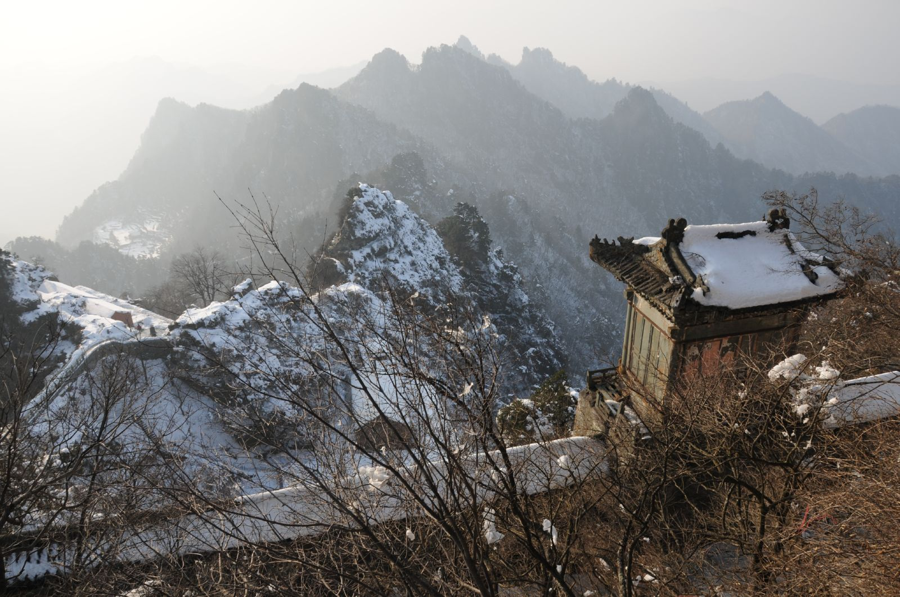
The Wudang Mountains; a cultural landscape, not a photograph of a Daoyin class
POSTURE, BREATH & ATTENTION
Daoyin & Gentle Movement
Explore Daoyin, a family of Chinese movement traditions that connects posture, breathing and attention, including practices organised around the seasons.
Explore this idea +
An introductory session can explain the cultural ideas behind a small set of movements before inviting you to try them. Daoyin and Taiji are related through the wider world of Chinese movement culture, but they are not interchangeable names for one practice.
What we can discuss
Learn the meaning of Daoyin and its relationship to Chinese ideas of seasonal living.
Explore a short sequence with an instructor, with seated alternatives where appropriate.
Combine movement with time outdoors and a relaxed day’s itinerary.
This is a cultural movement introduction, not medical qigong or a rehabilitation prescription.
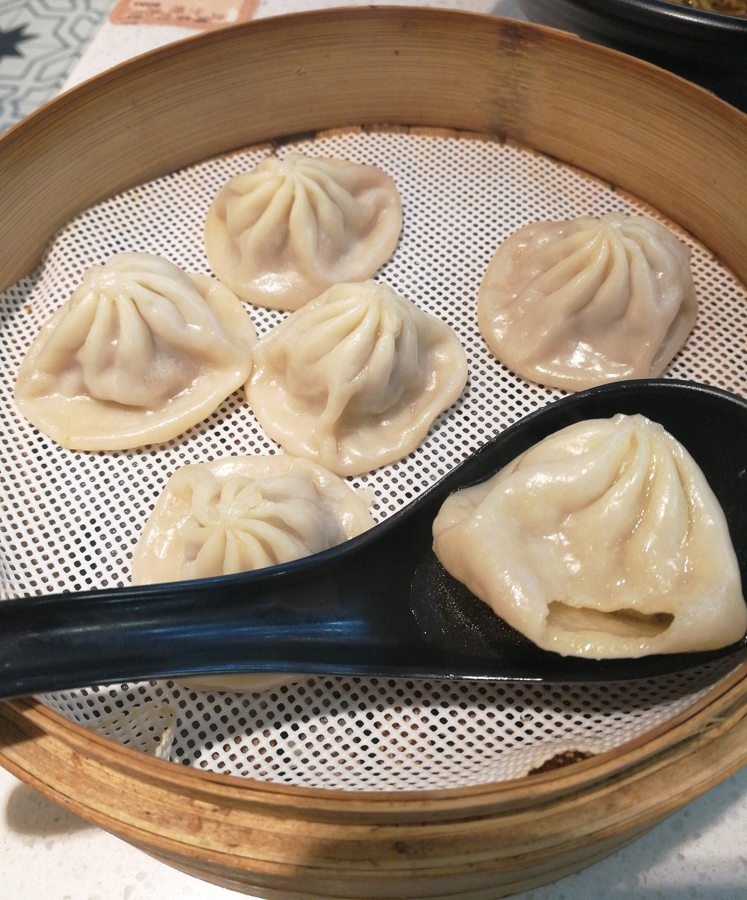
Xiaolongbao in Shanghai; a glimpse of everyday food culture
FOOD & EVERYDAY CULTURE
The Seasons at the Table
Follow the connection between the calendar, the market and the kitchen. Discover how seasonal thinking appears in Chinese food culture and family routines.
Explore this idea +
A conversation about seasonal ingredients can lead naturally into a market walk, an ordinary meal or a cooking introduction. Where medicinal ingredients are discussed, the focus is cultural understanding. Food activities use appropriate edible ingredients and take allergies and dietary needs into account.
What we can discuss
Notice how local markets and home-style dishes change with the season.
Discuss the difference between everyday food traditions and prescribed herbal medicine.
Explore a suitable meal or cooking introduction as part of a city visit.
This experience does not prescribe herbs, recommend supplements or promise health benefits.
Let wellbeing shape the pace of a day: a gentle walk, a place to sit and a closer encounter with Chinese tea culture.
Explore this idea +
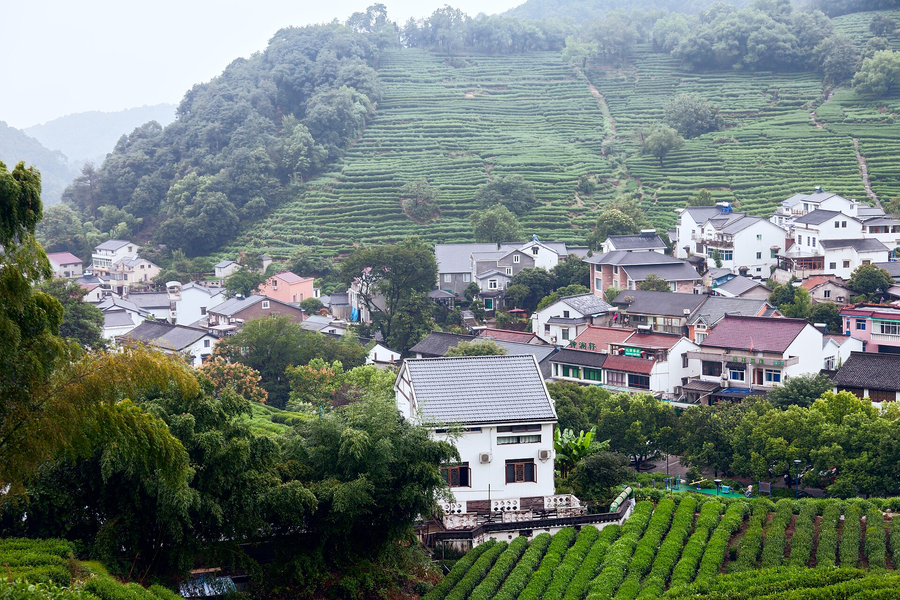
This is a way of arranging your journey, rather than a medical programme. In Hangzhou, for example, tea landscapes and a cultural tasting can sit alongside a quieter itinerary. Walking level, weather and your preferences help determine what fits.
What we can discuss
Make room for a tea conversation instead of rushing between attractions.
Choose a gentle walk and breaks that fit your pace.
Pair the experience with a private city journey or a longer stay.
Tea is introduced for its flavour and cultural history, without therapeutic claims.