← All destinations AN IMPERIAL LANDSCAPE BEYOND BEIJING / 2 ROUTES

Chengde.

Imperial lakes and gardens meet the distinct Buddhist worlds of Puning, Putuo Zongcheng and Xumi Fushou in the hills beyond Beijing.

Discover
Chengde

Chengde brings the Qing court into a setting of lakes, gardens and surrounding temples. Give the landscape time: its scale is part of the story.

The Mountain Resort and its outlying temples form a UNESCO World Heritage property. Choose a garden-and-palace focus first, then a separate temple day that explains the different architectural and religious traditions.

Late spring through early autumn suits longer outdoor visits. Winter is cold, with shorter days; select accessible sections and allow rest stops.
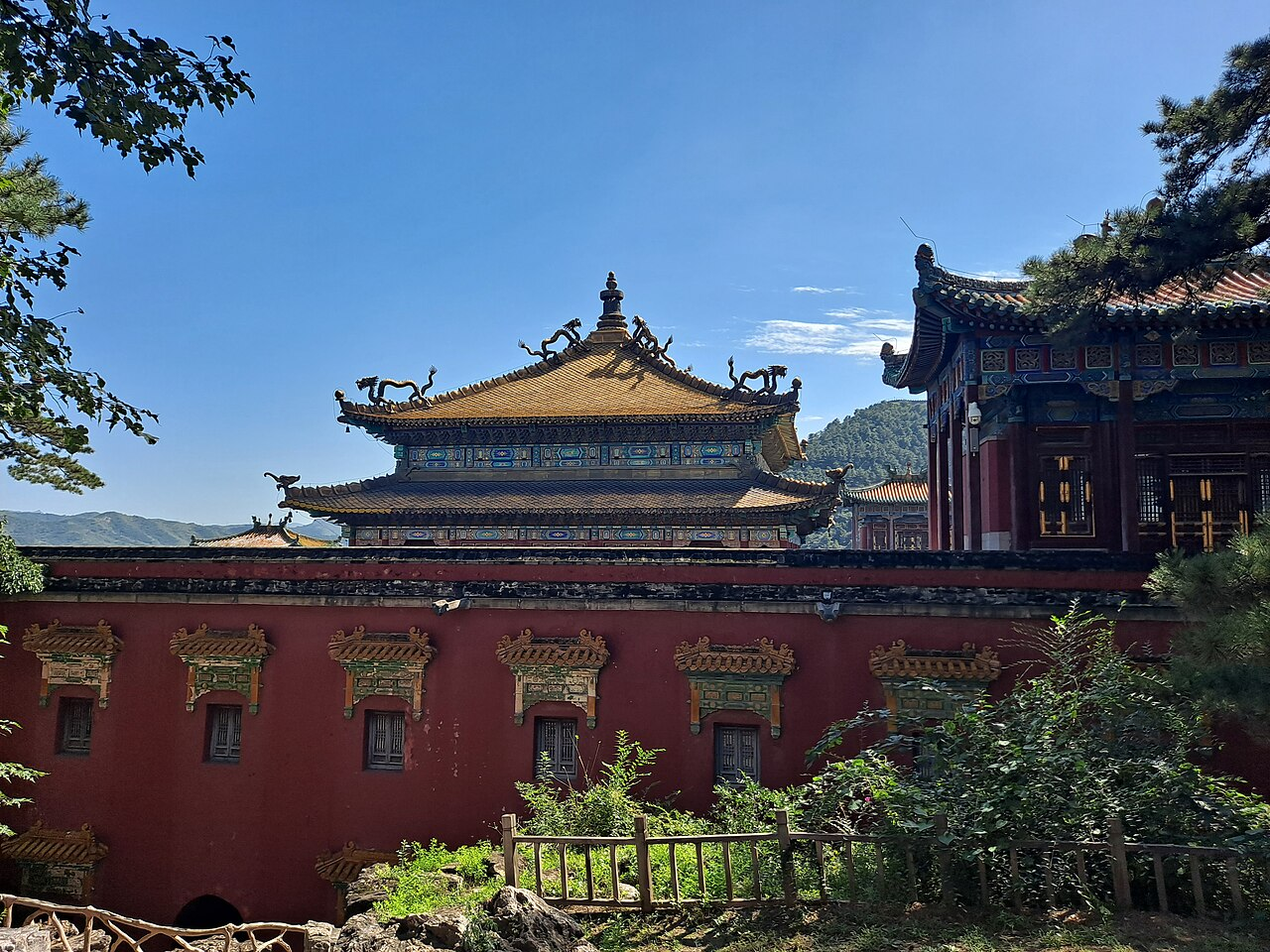
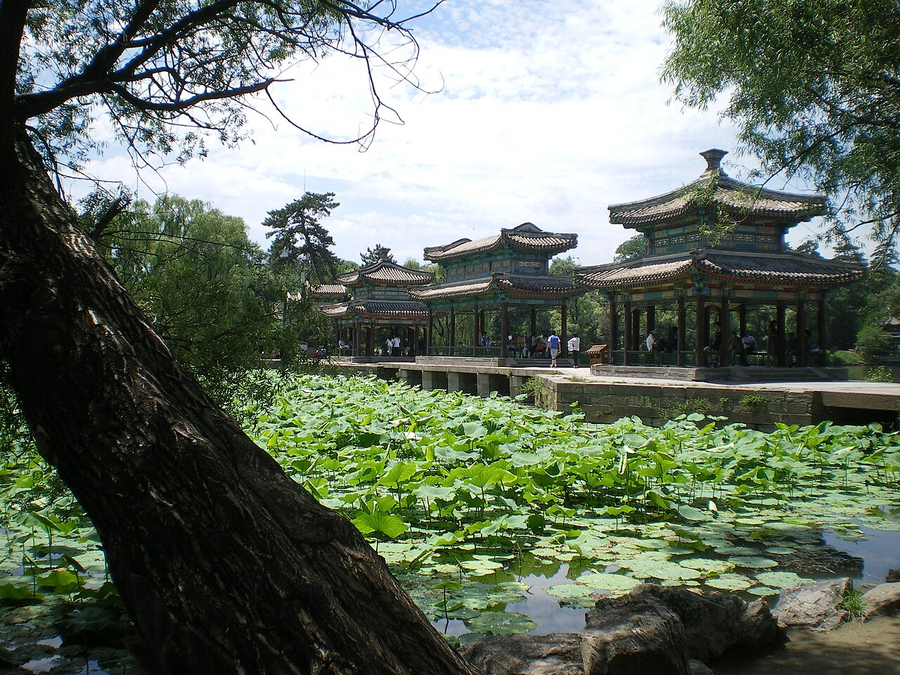
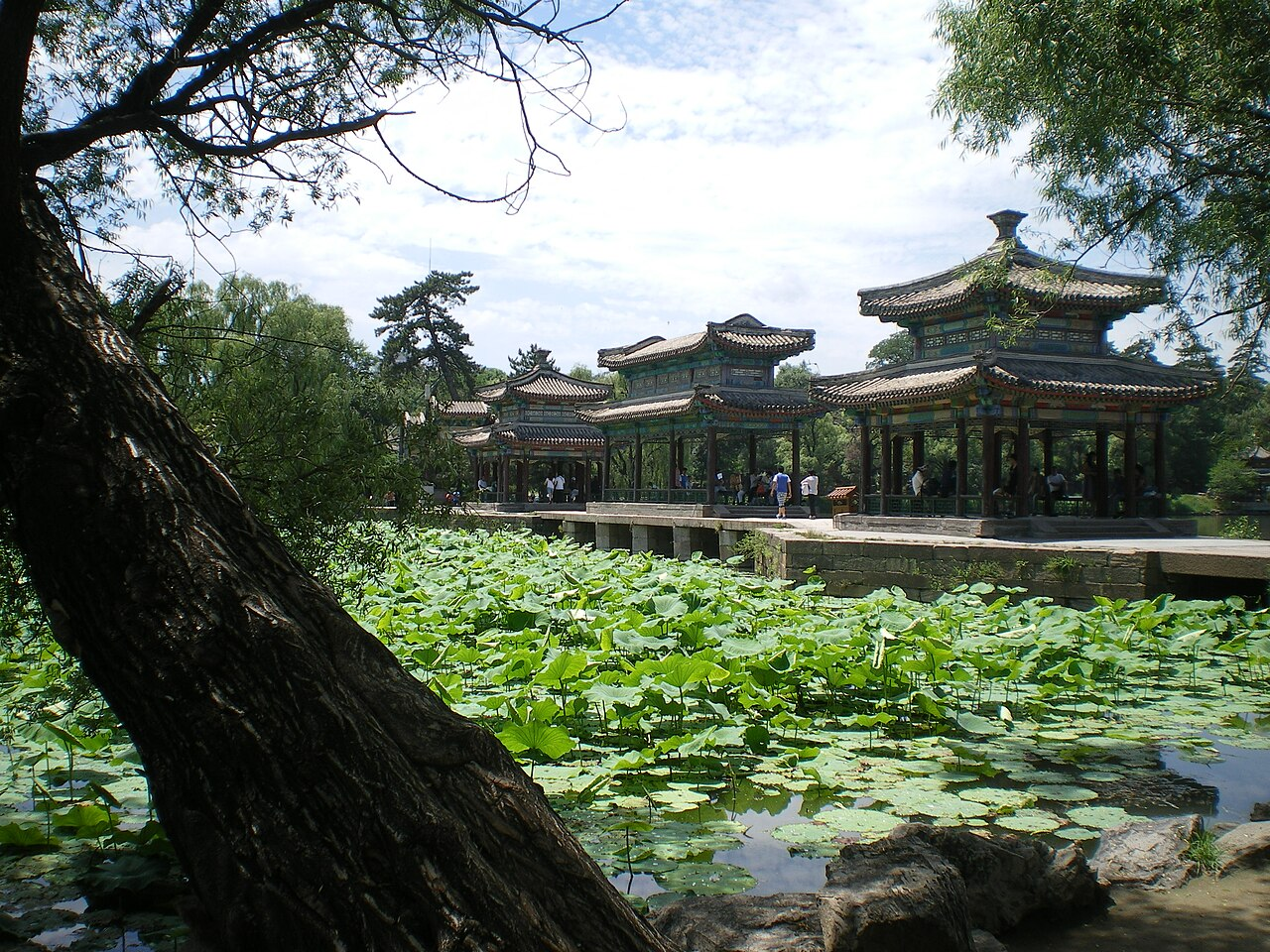
Chengde Mountain ResortChengde Mountain Resort
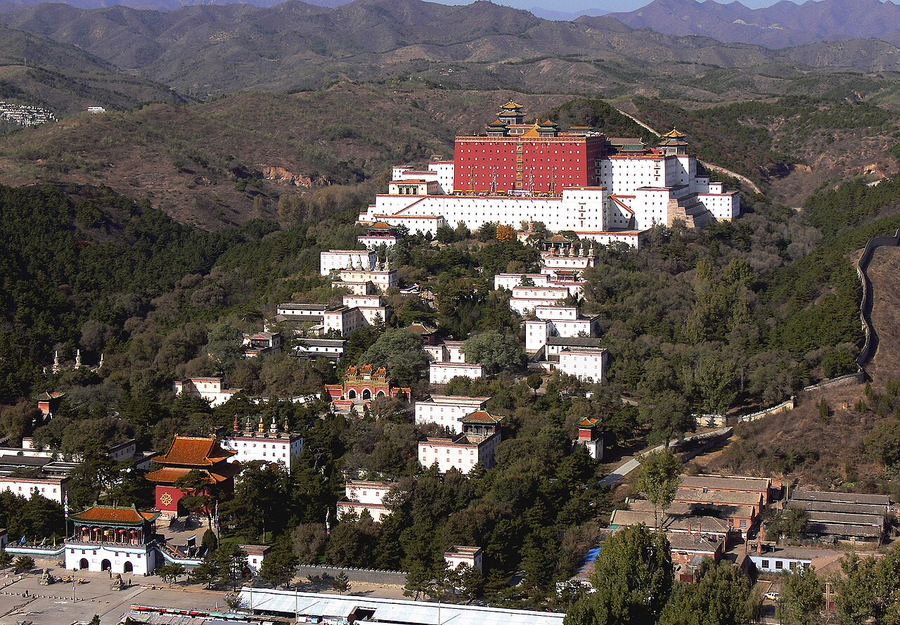
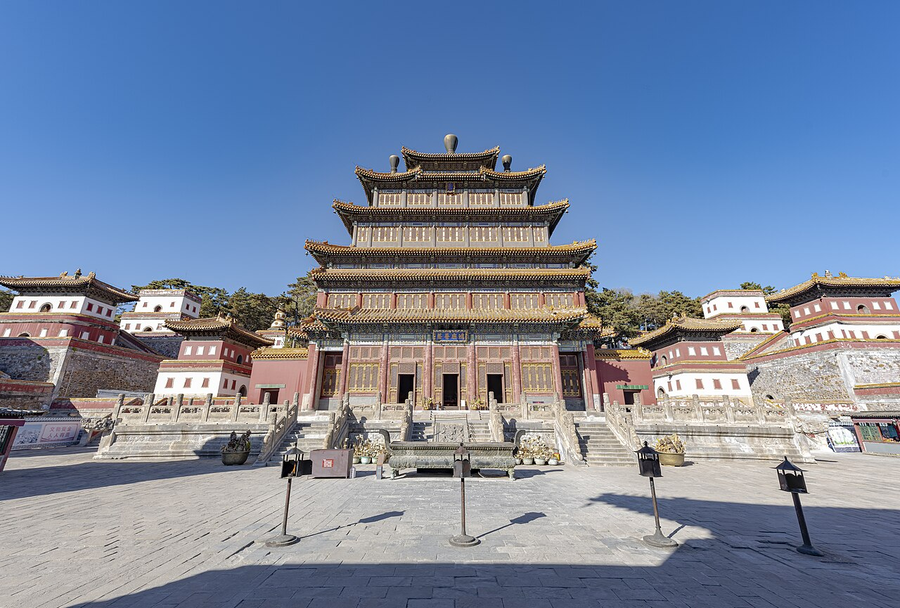
Putuo Zongcheng TemplePutuo Zongcheng Temple
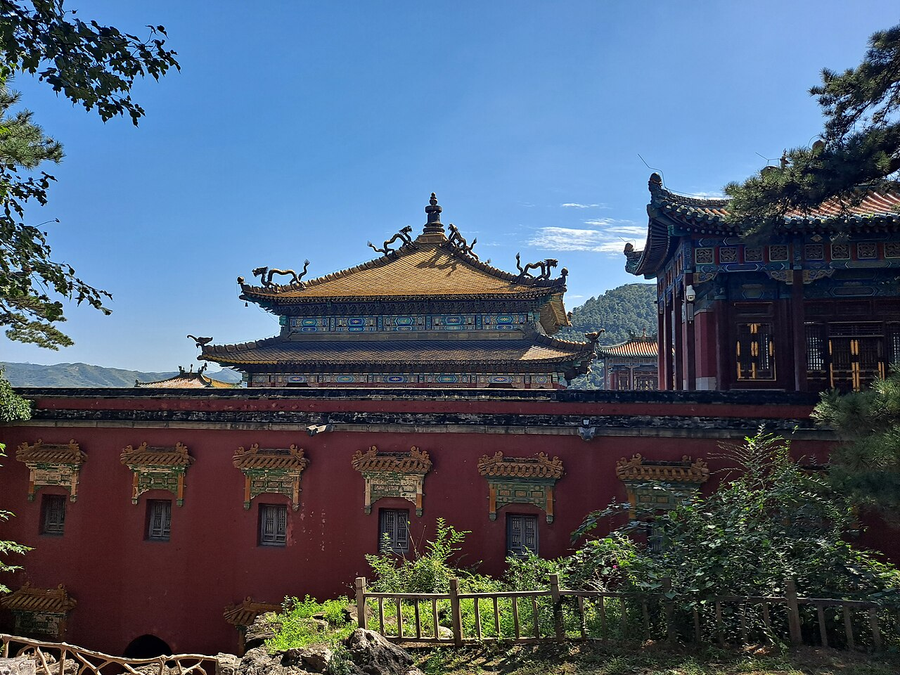
Puning TemplePuning Temple
Xumi Fushou TempleXumi Fushou Temple
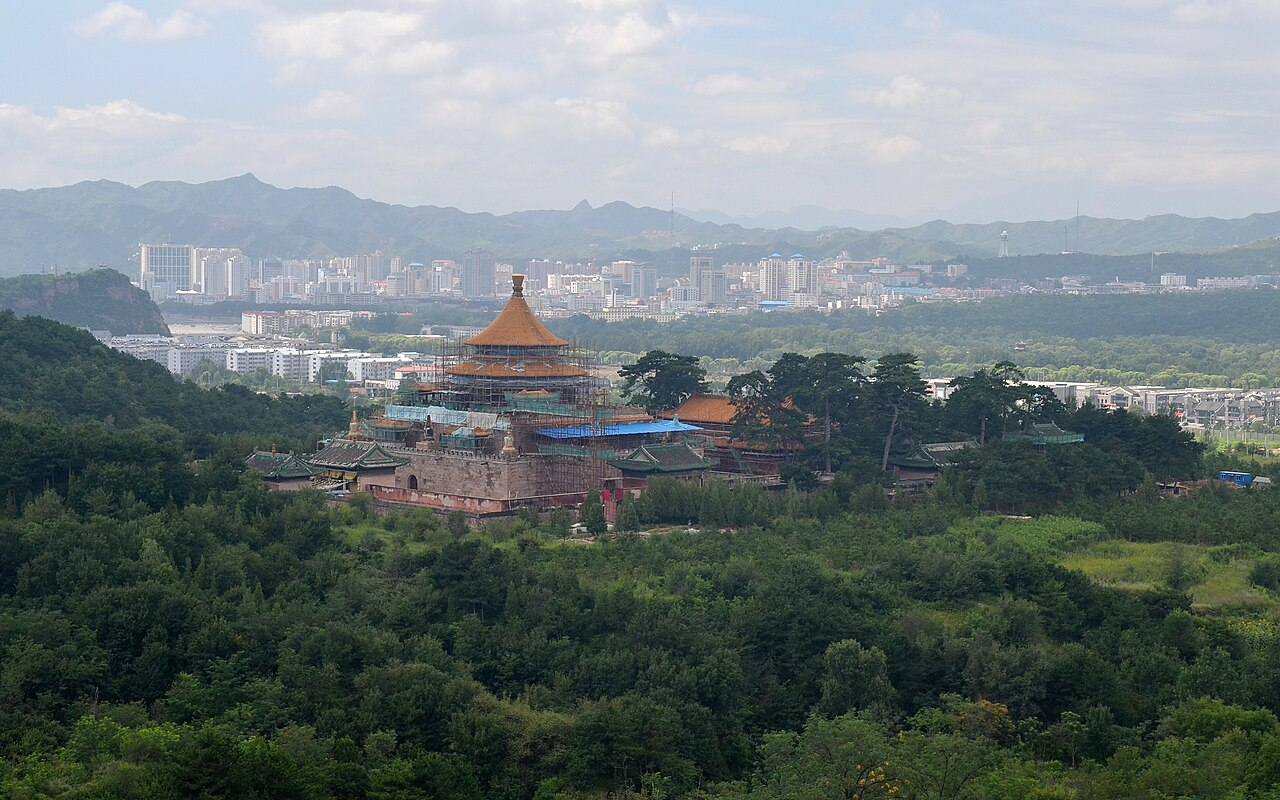
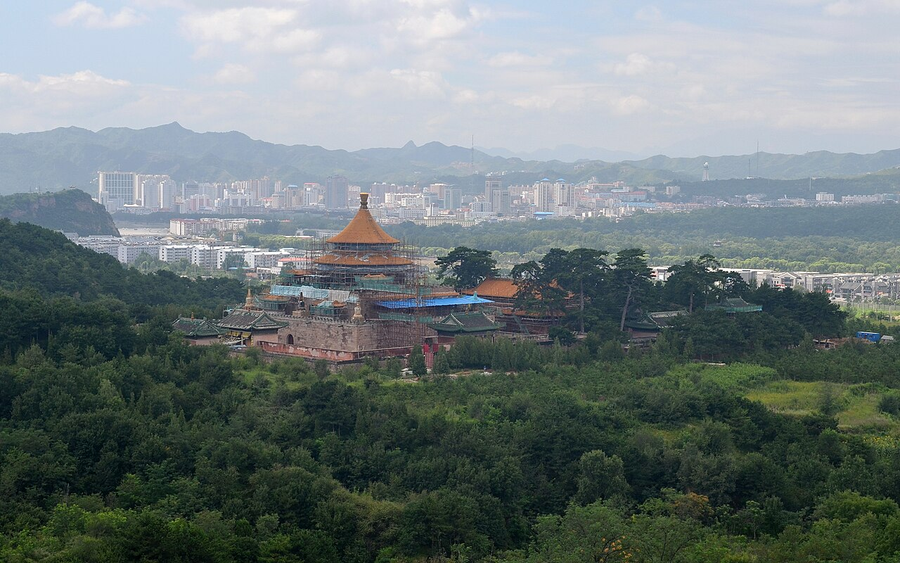
Pule Temple and the Chengde landscapePule Temple and the Chengde landscape

Different sides.
A fuller picture.

Find the places and stories that matter to you, then give them the time they deserve.

Chengde Mountain Resort

The Mountain Resort: a working imperial landscape

The Qing emperors’ summer residence was also a setting for government and diplomacy. Begin with the palace area, then give the lakes and gardens their own time. Their changing scenery and references to other Chinese landscapes matter as much as the individual buildings. The wooded hills form another, more extensive part of the estate; decide how much walking you actually want.
Puning Temple
Puning Temple

Puning Temple: living devotion & Guanyin

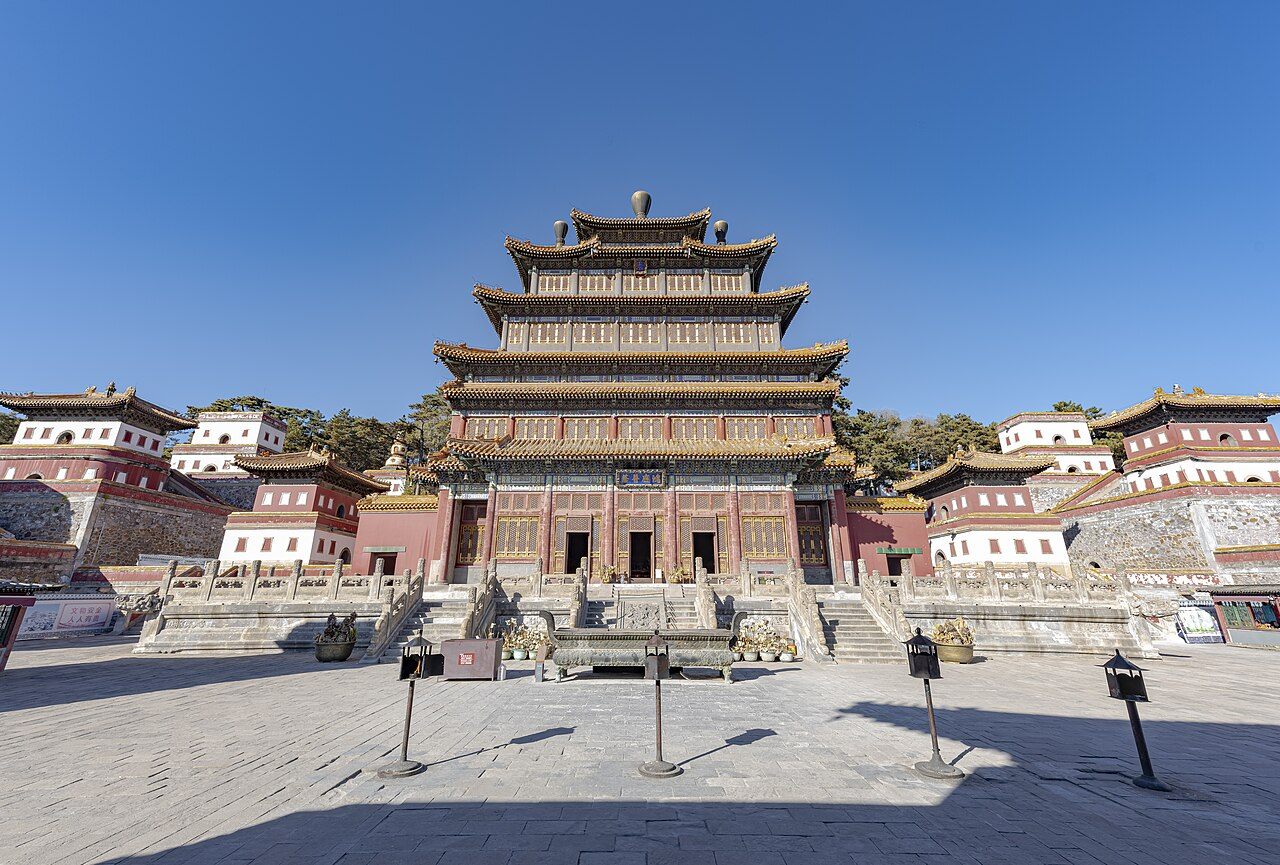
Puning brings Chinese and Tibetan architectural traditions together within an active Buddhist setting. Its great timber image of thousand-armed, thousand-eyed Avalokiteshvara is a major reason to visit, but the sequence of courtyards and halls also rewards explanation. Allow quiet time around worship, follow photography instructions and distinguish public visiting from access to religious activities.

Putuo Zongcheng Temple

Putuo Zongcheng Temple: the Little Potala

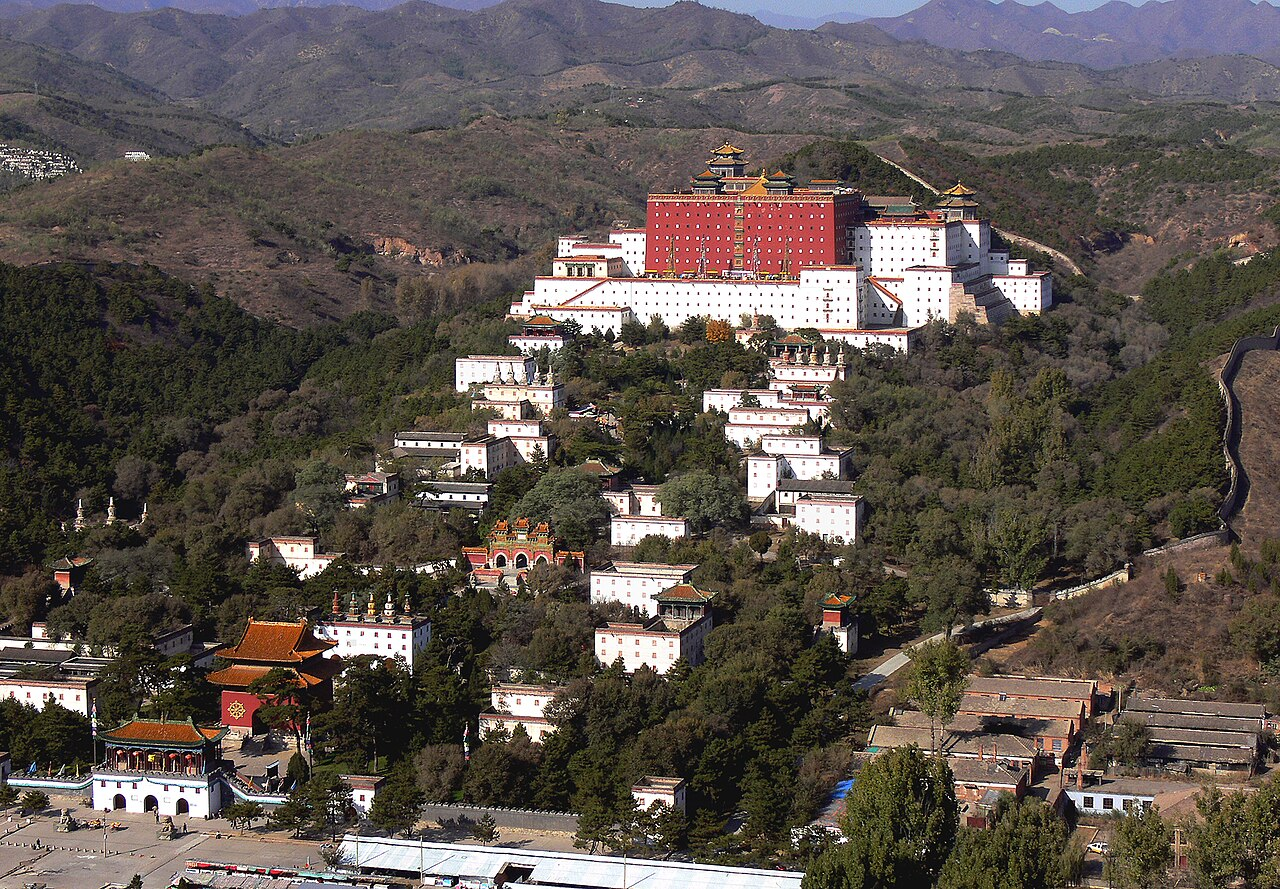
The enormous red terrace and gold-roofed halls make this one of Chengde’s defining views. Its reference to Lhasa’s Potala Palace belongs to a larger story of Qing relations with Tibetan and Mongolian Buddhist communities. Explore the terraces and architectural layers with that context, rather than presenting the site merely as a smaller substitute for a journey to Tibet.

Xumi Fushou Temple
Xumi Fushou Temple

Xumi Fushou Temple: the Panchen Lama’s visit

This temple was built for the Sixth Panchen Lama’s visit to the Qianlong emperor in 1780, drawing on Tashilhunpo in Shigatse. It is geographically sensible to pair it with Putuo Zongcheng, but it has a distinct historical story and architectural character. The visit becomes more rewarding when the connections between patronage, diplomacy and faith are explained.

Pule Temple and the Chengde landscape

Beyond the best-known temples

Pule Temple and Anyuan Temple offer further ways to read the surrounding temple landscape; Shuxiang Temple connects with the tradition of Manjushri worship. Choose additional sites around actual public access and a specific interest in architecture or Buddhist history. The historic grouping known as the “Eight Outer Temples” spans distinct sites with different visiting arrangements; a selective circuit allows a closer look at their individual character.

Time well spent.

2 full days · resort & principal temples

Give the Mountain Resort most of the first day. On the second, focus on Puning and Putuo Zongcheng, with breaks and transfers allowed for. This is a strong introduction rather than an attempt to tick off every temple.

3 days · a deeper temple landscape

Separate Puning from the Putuo Zongcheng–Xumi Fushou pairing, leaving room for closer architectural interpretation. Add an accessible smaller temple or a quieter landscape walk according to your interests. Keep distant grassland excursions outside this city programme.

At the local table

Chengde’s food reflects its northern setting: buckwheat noodles, hearty vegetable dishes and lamb can make a satisfying contrast to palace sightseeing. A meal is also a chance to talk about the region’s Manchu and Mongolian connections without treating every dish as an imperial recipe.

Choosing your base

A central base works for the Mountain Resort and meals; the outlying temples still require transfers. Late spring and early autumn are comfortable for long visits, while summer brings more visitors and winter demands a shorter outdoor programme. Temple stairs and the resort’s scale should shape the pace.

A closer connection.

Choose what interests you. We’ll confirm the people, setting and details in your personal proposal.

Read an imperial garden

Explore how the Mountain Resort’s palace, water and planted views express imperial ideas about landscape, government and cultural memory.

A closer look at temple architecture

Compare the selected temples through their plans, roofs and devotional images, with context for the Qing court’s relationships with Tibetan and Mongolian Buddhist communities.

Northern flavours after the temples

Pause for buckwheat noodles or a regional meal and explore Chengde’s everyday streets beyond its imperial monuments.

Ask about Chengde