China Beyond Travel · Updated
On Yunju Shan in Jiangxi, Zhenru Temple brings Chan history into a living mountain setting. The story here is not only transmission between teachers, but the work of sustaining a monastery: study, practice, rebuilding and farming.
Explore this as a Jiangxi extension to the Chan Journey, with its own historical chapter and travel time. Yunju Shan in Yongxiu is distinct from Yunju Temple in Fangshan, Beijing.
A mountain monastery with a long Chan history
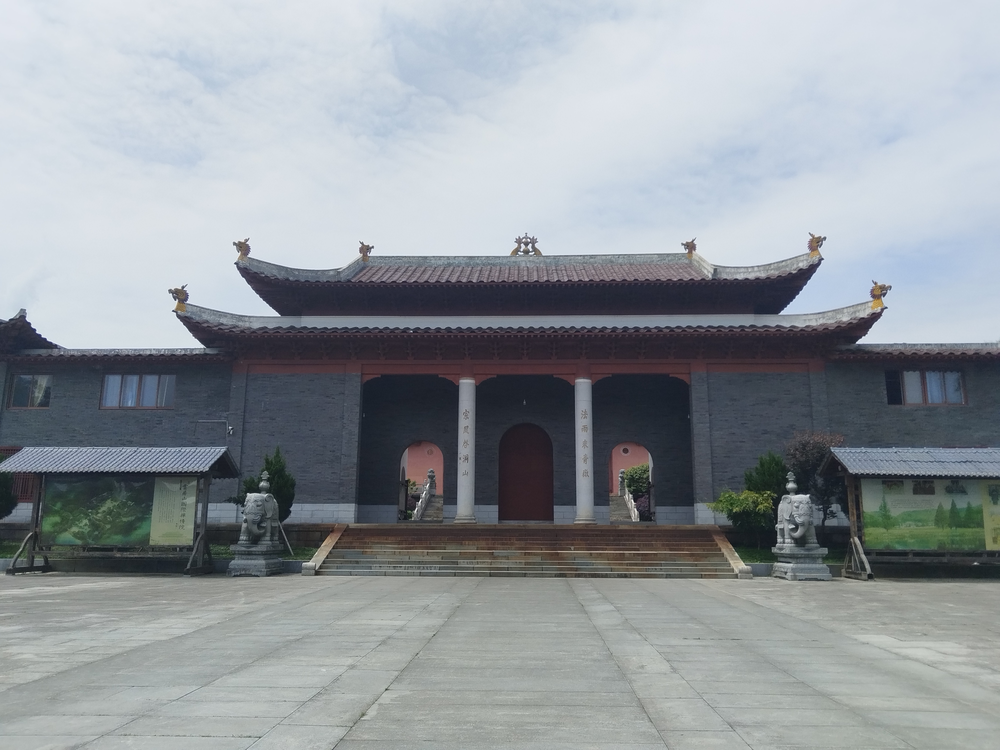
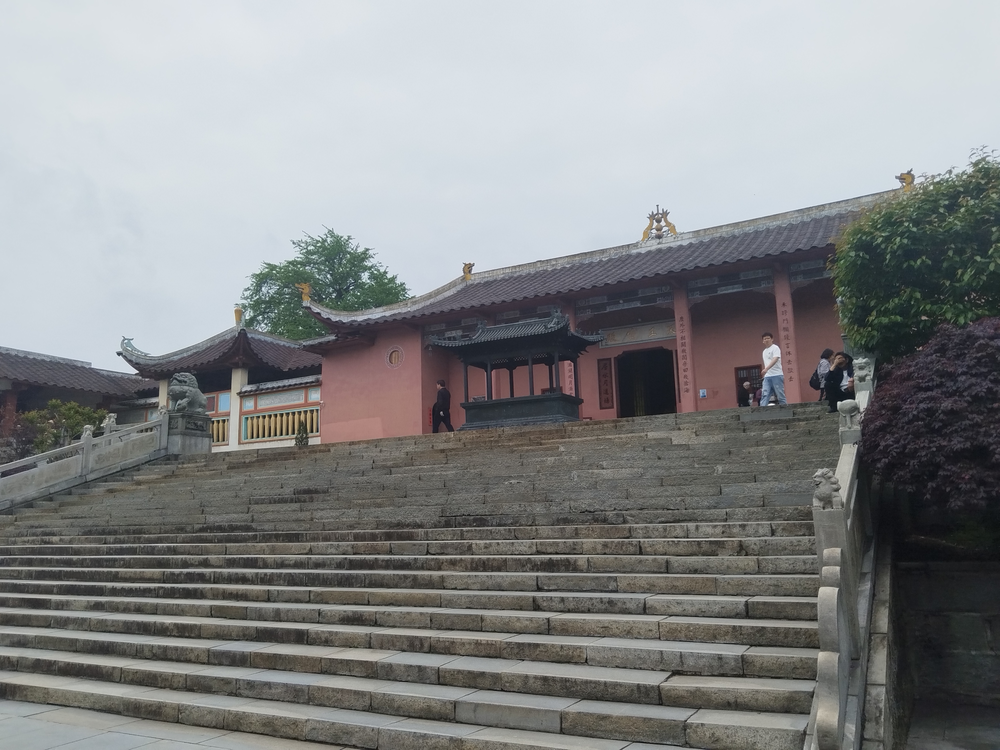
Zhenru Temple stands in the mountain basin known as Lotus City. Its history reaches back to the Tang dynasty, and the monastery is especially associated with the Caodong tradition. The setting helps explain its appeal: a temple community enclosed by mountains, with room for both monastic buildings and cultivated land. It is a place to explore later Chan life beyond the first six patriarchs.
Xuyun’s final chapter
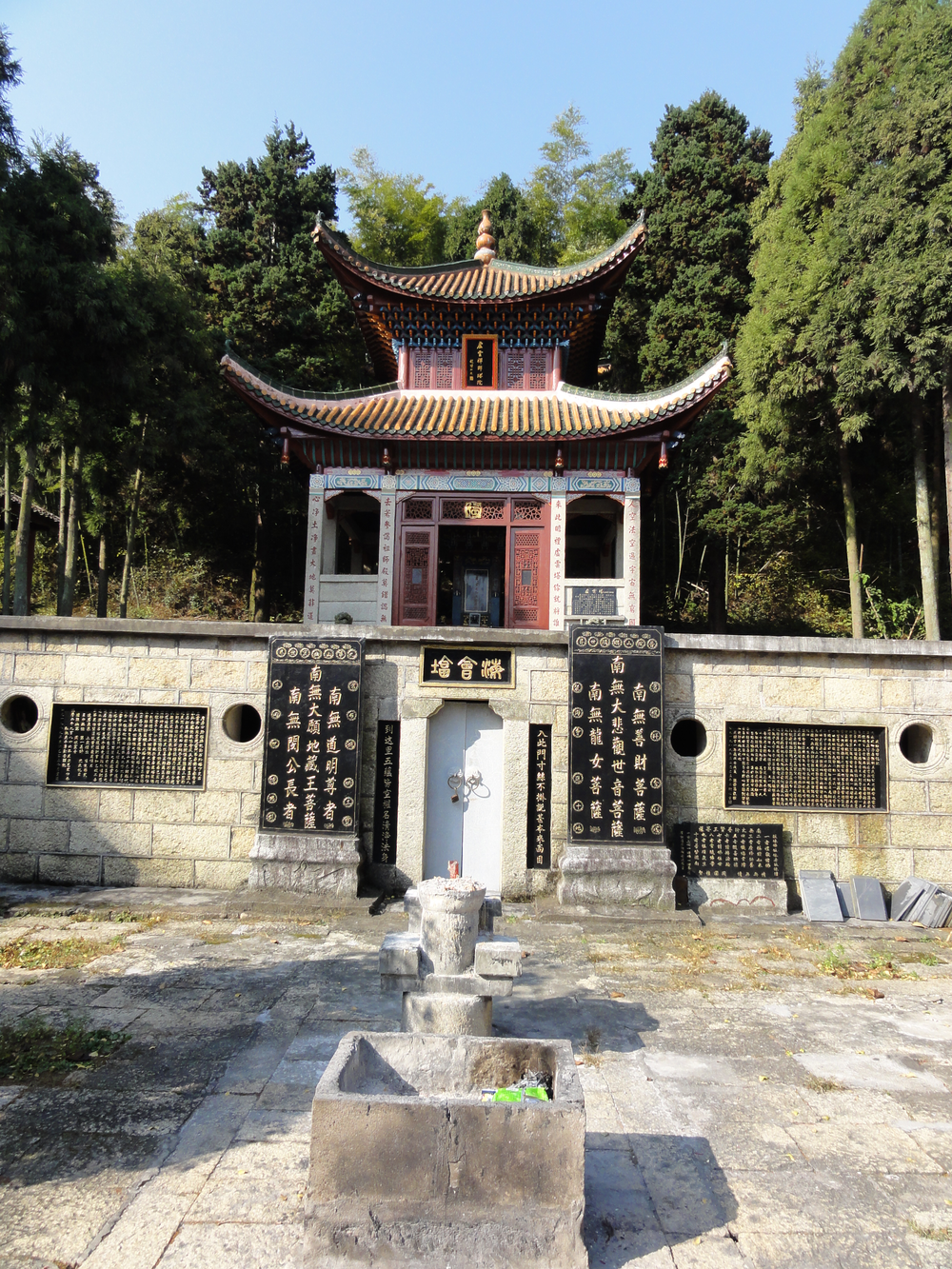
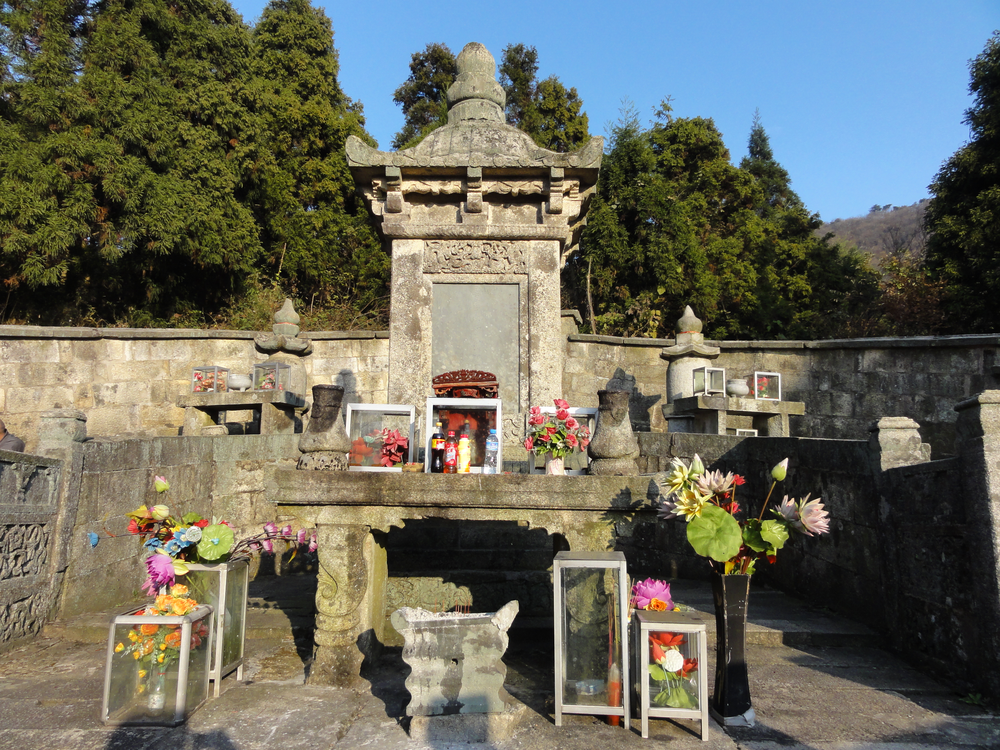
Xuyun came to Yunju Shan in 1953 and led the revival of Zhenru Temple. Rebuilding the monastery and supporting its community formed a major part of his later life. He died here in 1959. His memorial stupa adds a personal point of reference to a visit, linking the temple’s present life with the wider network of monasteries he helped revive.
Farming and Chan practice
Zhenru’s tradition of nongchan pairs agricultural work with religious practice. The temple’s own accounts describe the community planting and harvesting rice and working in tea fields. This is part of monastic life, not a performance arranged for visitors. Looking at the landscape around the temple can make that connection easier to understand; participation in any religious activity is discussed separately and depends on the monastery’s arrangements.
What to notice on a visit
Give the temple precinct, its mountain setting and the memorial landscape time to unfold. The stupa forest recalls successive generations of teachers; it belongs to the monastery’s religious history and should be approached quietly. Follow local guidance about entering halls and taking photographs, and leave private monastic areas undisturbed.
A Jiangxi extension, arranged by geography
Yunju Shan can be considered alongside a Jiujiang or Nanchang stay. A longer Jiangxi journey may also include Mount Lu and Donglin Temple: Donglin introduces the Pure Land tradition, while Zhenru offers a Chan chapter. These are separate places with separate travel time. We confirm the road transfers and visitor access before including them, rather than compressing both into an assumed short stop.
A thoughtful visit
Dress modestly, follow the temple’s visitor guidance and ask before photographing people or interiors. A cultural visit does not automatically include meditation sessions, teacher meetings or monastery accommodation; we discuss any such interests separately.