China Beyond Travel · Updated
Tibet invites a different pace. Begin with time to settle in, then let a monastery, a conversation over tea or a long view across the plateau hold your attention. Its landscapes and cultural traditions vary widely: a journey through Lhasa and central Tibet is a different proposition from forested Nyingchi, Everest or the far west.
Begin with Lhasa, slowly
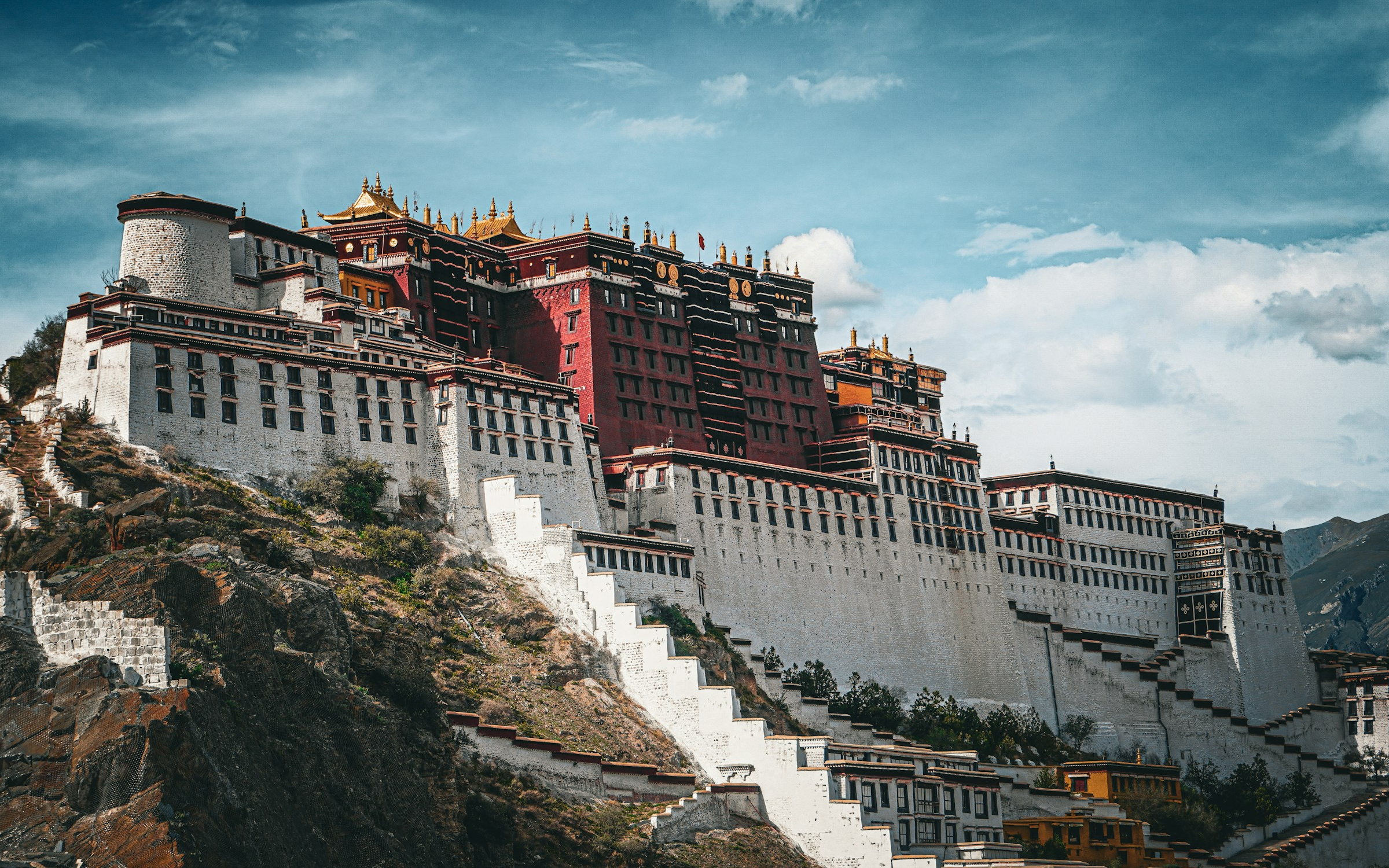
The Potala Palace, Jokhang Temple and Norbulingka form the UNESCO-listed historic ensemble in Lhasa. Each offers a different setting for exploring architecture, art and the history of the city. Their significance is easier to appreciate with an introduction to what you are looking at, rather than a succession of dates.
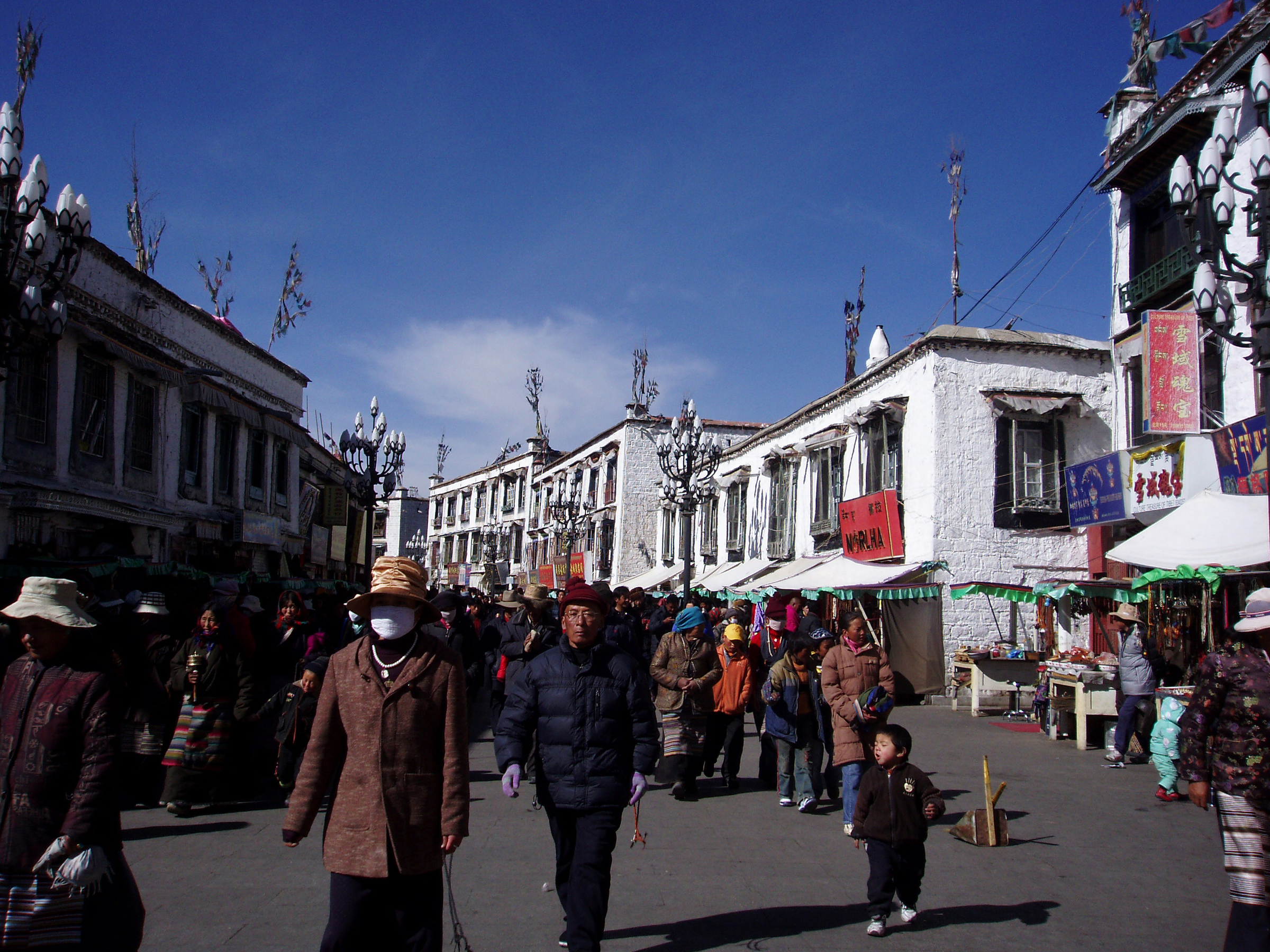
Around the Jokhang, Barkhor is also a place of everyday life and devotion. Give pilgrims space, ask before photographing people and avoid treating worship as a performance. A gentle walk and time over tea can be as meaningful as a major monument visit.
Choose the landscape that draws you
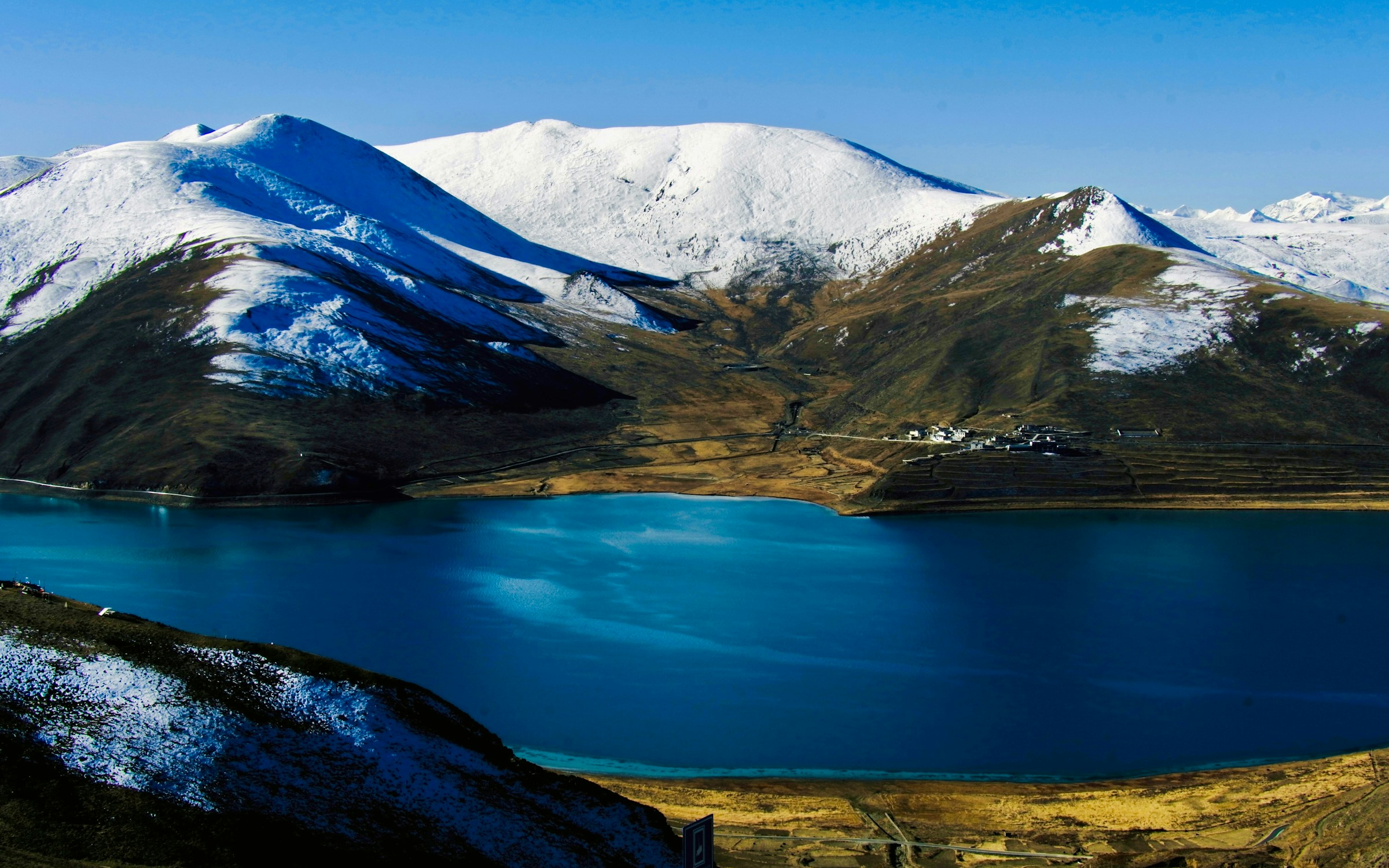
Central Tibet can connect Lhasa with Yamdrok, Gyantse and Shigatse, combining lakeside scenery with historic towns and monasteries. Namtso is another high-altitude lake direction. These names are choices for a route, not places that belong automatically in every short visit.
Nyingchi and Lulang introduce greener valleys and forest landscapes. An Everest journey brings a different scale of road travel and elevation; Kailash and the far west need substantially more time and preparation. Choose the character of the trip before deciding how many landmarks it should contain.
Look for living culture
A temple visit becomes richer when you can recognise a few recurring figures, understand the purpose of a space and distinguish an artwork from an object in daily ritual use. Ask your guide to begin with the ideas that interest you, whether Buddhism, architecture or craft.
Textile work and incense traditions can add another perspective. A demonstration, an introductory making session and a specialist cultural visit are different formats; tell us which appeals to you. We plan these around suitable arrangements and your interests, while respecting the people and settings involved.
Tea and food as everyday encounters
Butter tea, sweet tea and tsampa offer different introductions to Tibetan food culture. Tsampa is made from roasted barley flour; butter tea is a savoury drink, so it may surprise someone expecting a sweet cup. Start with a small taste and a conversation about how these foods fit local life.
A teahouse stop can slow the journey down, but meals need to fit individual preferences. For vegetarians and vegans, discuss meat broth, butter and milk rather than relying on a dish name. Barley contains gluten. On longer road routes, agree suitable meals in advance instead of assuming every overnight stop has the same choice as Lhasa.
Time and altitude belong in the same plan
Lhasa is around 3,650 metres above sea level. Fitness does not prevent altitude illness, and arriving by train does not guarantee acclimatisation. Allow gentle initial days and plan higher sleeping elevations gradually. Discuss individual health conditions and any preventive medication with a clinician familiar with altitude before travel.
Four days can be a starting outline for Lhasa, while a central circuit or an eastern journey requires its own allocation of travel days. Short published itineraries do not guarantee that the pace suits everyone. We would rather adjust the route than fill an arrival day with a demanding climb.
Documents, access and advance planning
Foreign travellers need a separate permit for travel in the Tibet Autonomous Region, arranged through a specialist travel agency. Permission to enter China does not replace Tibet travel arrangements. Requirements depend on the traveller and route; discuss them before fixing non-refundable transport.
Our Tibet destination page explains the travel-document starting points. Site access, roads and permits are checked against your actual itinerary and dates. A famous place being shown on a regional map does not mean it is included in a particular journey.
Comfort and respect along the way
Discuss the complete day: road hours, walking, steps, food and the accommodation available at each stop. Standards and choices change between Lhasa and remote areas. Share the practical details that make you comfortable so that the proposed route reflects them.
Wear respectful clothing at monasteries and follow the guide’s advice about customs and photography. Ask before entering a working space or photographing a person at close range. The most rewarding moments often depend on patience and attention rather than privileged access.
When to go.
- March–April
- Consider an eastern Tibet journey around spring scenery. Blossom dates vary; higher places can remain cold and access must be checked.
- May–June
- A useful starting window for discussing central Tibet and wider routes. Pack for strong sun, wind and cold nights at higher stops.
- July–August
- Expect a busier season and allow for rain affecting roads and views. Keep flexibility for eastern valleys and longer overland stages.
- September–October
- Consider a plateau circuit with warm layers for mornings and evenings. The early-October holiday and higher-altitude cold both affect planning.
- November–February
- Lhasa-focused cultural travel may be possible with careful planning. Remote routes, high lakes and mountain roads require separate winter access checks.
These are seasonal planning suggestions, not a weather forecast. Exact harvests, flowering, festivals and site access vary; we check them when shaping your dates.
Good to know before you go.
- Dress in layers
- Pack a breathable base, fleece or other warm middle layer, and a windproof waterproof shell. Bring a warm insulated jacket for high or remote stops, plus a hat and gloves when the route calls for them—even if Lhasa feels warm.
- Sun and dry air
- Bring high-SPF sunscreen, UV-protective sunglasses, a sun hat, lip balm and moisturiser. Carry drinking water and drink normally; drinking extra water is not a substitute for acclimatisation.
- Take symptoms seriously
- Tell your guide if you develop headache, nausea or unusual fatigue, and do not go higher with symptoms. Worsening symptoms call for medical help and descent. Confusion, difficulty walking or breathlessness at rest require urgent medical attention.
- Wear shoes you already trust
- Comfortable shoes with grip suit city walks, steps and uneven surfaces. For trekking, agree a separate equipment list and discuss the demands of the actual route.
- Keep essentials within reach
- Carry your booking documents and usual medication in your day bag. Confirm travel insurance covers the planned elevations, activities and medical evacuation; ask your insurer about the exact route.
Sources & editorial approach
Written by China Beyond Travel from cultural and destination research. Route pacing and suggested combinations are our editorial recommendations. Cultural background sources are linked below; we check current visitor arrangements when planning your trip.