China Beyond Travel · Updated
In Shanxi, learning how to look changes the journey. A roof bracket, a figure’s expression or the arrangement of a courtyard can hold your attention as strongly as an entire skyline. Give the buildings context, leave time for the details and allow a noodle lunch to interrupt the chronology.
An architectural journey, not a checklist
The interest of Shanxi is not simply that many buildings are old. Materials, construction, worship and patronage can all become threads to follow. Choose a small number of places that show meaningful differences, then allow a guide to connect what you see.
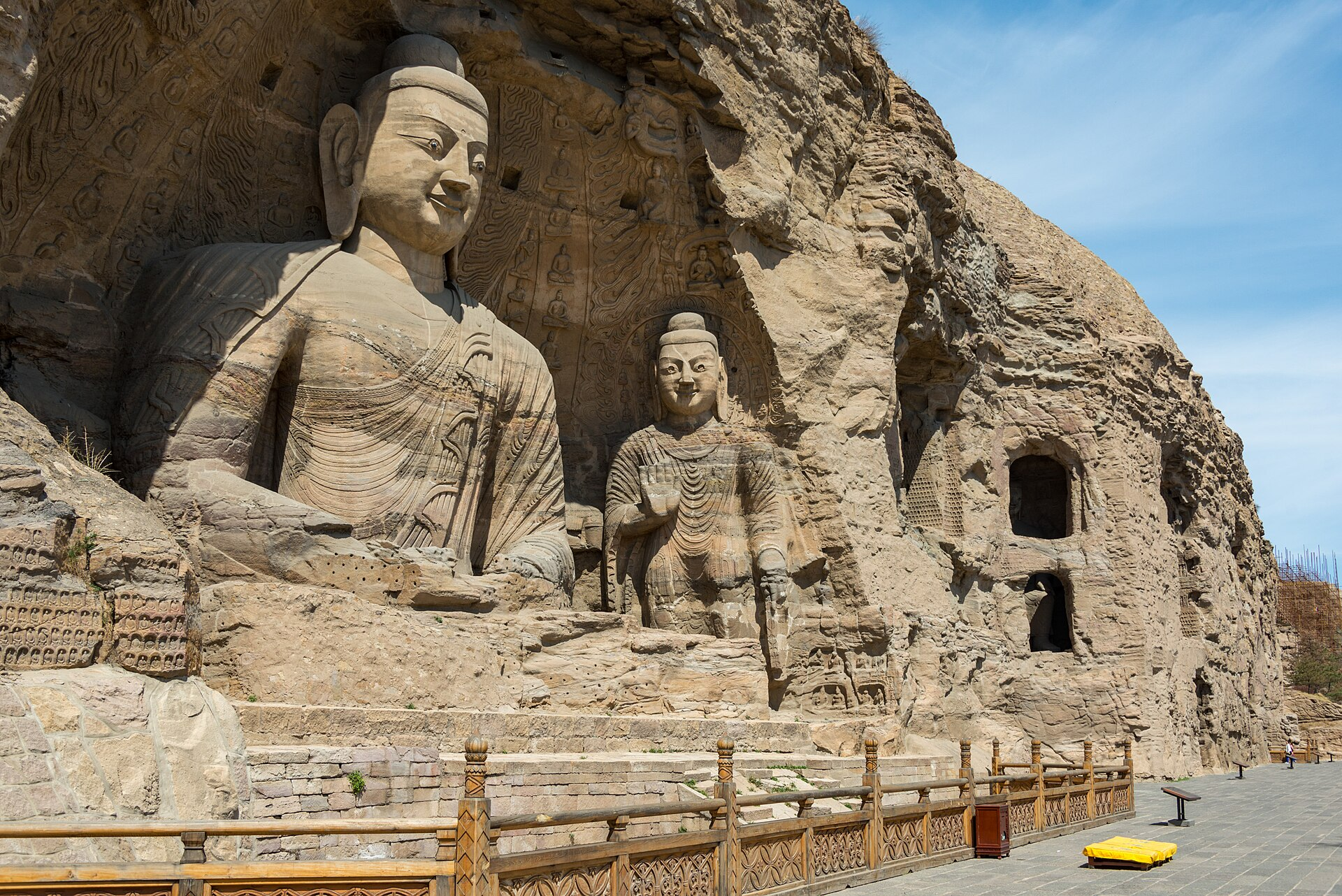
At Yungang, Buddhist sculpture reveals the movement and transformation of artistic ideas. In Pingyao, the walled town and associated temples offer a different scale of history. Combining them can be rewarding, but the transition between them deserves more than a hurried transfer.
Start with three bases
Datong is a starting point for Yungang and a wider northern circuit. Yingxian’s Wooden Pagoda introduces a different material and structural story. A visit to the Hanging Temple needs its own assessment of access, steps and comfort with heights.
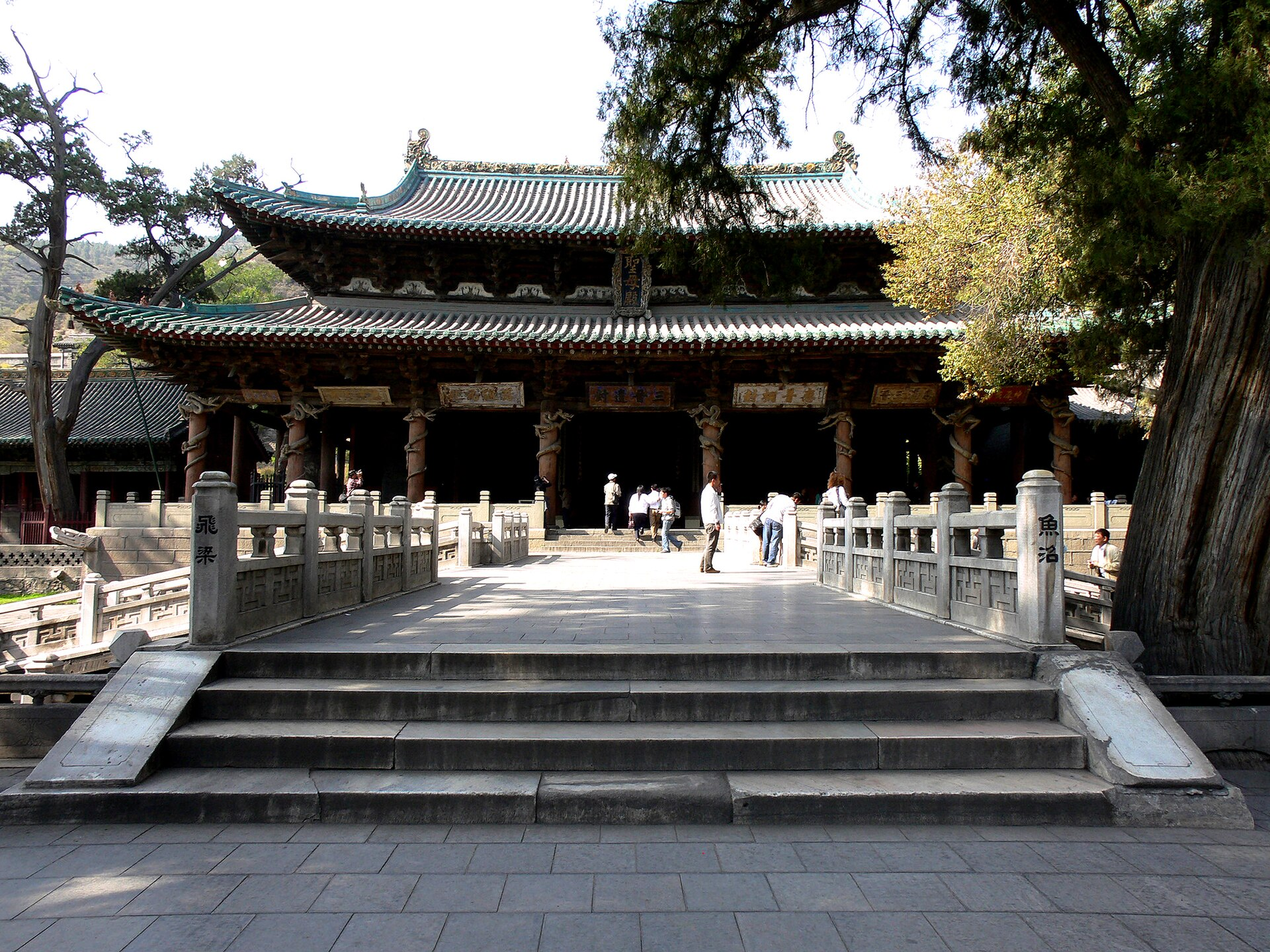
Taiyuan gives access to Jinci and a useful middle point in a longer route. Pingyao rewards an overnight stay as well as time for Shuanglin and Zhenguo temples. Mount Wutai can become a dedicated Buddhist chapter. Southern Shanxi, including the Yuncheng area, opens another rich direction for architectural interests; it needs additional days, not a hurried loop from Datong.
How to look at a temple
Begin outside with the setting and the approach. Look at how the buildings define a sequence of spaces before examining individual details. Under the eaves, notice the brackets and the relationship between roof and columns. Inside, let your guide explain the arrangement of figures and the purpose of the hall.
You do not need specialist vocabulary to enjoy the visit. Ask one question at a time: what survives from the earlier building, what has been repaired, and what is still used for worship? Respect barriers and photography rules; a dim interior is not an invitation to use a flash.
Merchant life and living craft
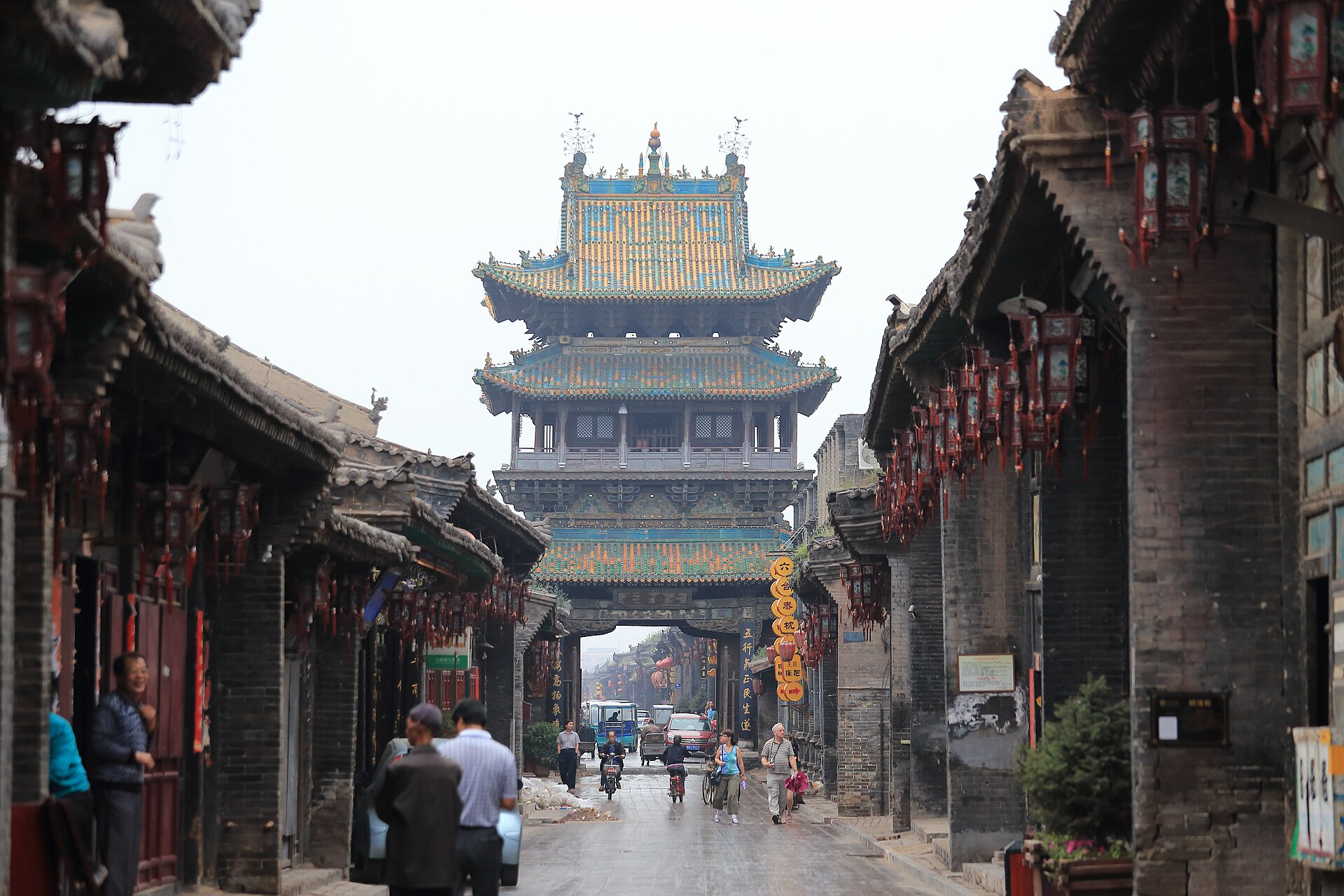
Pingyao brings banking and merchant history into the journey through its streets, courtyards and historic institutions. Look beyond a single photogenic lane and ask how commerce shaped the town. A stay can be rewarding, but choose a property for comfort and access as well as its courtyard appearance.
Lacquer offers a different way to engage with the region’s material culture. A demonstration can reveal the patience behind a finished surface. If you prefer hands-on work, discuss what an introductory session actually involves; the full traditional process is much longer than a holiday activity.
Make room for noodles and vinegar
Wheat and other grains shape much of Shanxi’s food vocabulary, with noodles and other flour-based dishes appearing in many forms. Use a meal to compare texture and technique rather than order several dishes that turn out to be very similar. Aged vinegar is another distinctive subject worth asking about.
For a vegetarian trip, confirm broth, toppings and cooking fat. Regional food can be a strength of the journey if preferences are discussed in advance. A cooking or noodle-making activity should be chosen for genuine participation and clear explanation, not inserted as a generic cultural stop.
Give the distances an honest place
Two days can introduce Datong and a selected nearby excursion. A week is a useful starting point for a north-to-central architecture route, with time allocated according to how deeply you want to study the sites. Adding Mount Wutai or southern Shanxi should normally expand or reshape the journey.
Rail may help between major bases; outlying temples still need road travel. Avoid stacking several major temples into each day. Interiors, steps, uneven surfaces and long stretches of standing can be tiring even when the walking distance looks modest.
Seasons, stays and respectful encounters
Shanxi has marked seasonal and regional differences, with colder northern and mountain conditions. Ask about heating for a winter courtyard stay and allow extra time for short daylight hours. Summer mountain travel still needs rain and temperature planning.
Monasteries can be active places of devotion. Give worshippers space, ask before close portraits and let a religious visit remain more than a photo opportunity. For an art-focused itinerary, arrange interpretation that fits your level of interest rather than expecting every stop to explain itself.
When to go.
- March–April
- A possible culture-focused window, with layers for wind and cold spells, particularly in the north.
- May–June
- Consider a broader architectural route; allow shade and breaks as days become warmer.
- July–August
- Plan for rain and busy periods. Mountain temperatures and conditions differ from urban bases.
- September–October
- A useful starting window for mixed temple and town visits; check holiday dates and colder mountain mornings.
- November–February
- Focus on manageable outdoor periods, confirmed heating and current access. Northern and mountain conditions need particular care.
These are seasonal planning suggestions, not a weather forecast. Exact harvests, flowering, festivals and site access vary; we check them when shaping your dates.
Good to know before you go.
- Layers matter across the province
- Bring a wind-resistant layer, with warmer clothing for northern areas and mountain stops. Winter visits need a warm coat, gloves and confirmation of room heating.
- Temple floors and steps
- Choose comfortable shoes with grip for uneven paving and stairs. Tell us about mobility needs before a route is built around sites with steep or restricted access.
- Expect different indoor light
- Historic halls can be dim. Give your eyes time to adjust, follow barriers and never use flash where it is prohibited; some interiors do not allow photography at all.
- Leave room between visits
- Long periods of standing and looking closely can be tiring. A proper lunch and an unhurried transfer are useful parts of an architecture-focused day.
Sources & editorial approach
Written by China Beyond Travel from cultural and destination research. Route pacing and suggested combinations are our editorial recommendations. Cultural background sources are linked below; we check current visitor arrangements when planning your trip.