China Beyond Travel · Updated
Shaanxi makes more sense when you let its layers remain distinct: Qin archaeology, the memory of Tang Chang’an, the daily life of modern Xi’an and the landscapes beyond the city. Give each a little room. A carefully chosen museum visit and an ordinary bowl of noodles can be equally revealing parts of the same journey.
Separate the historical layers
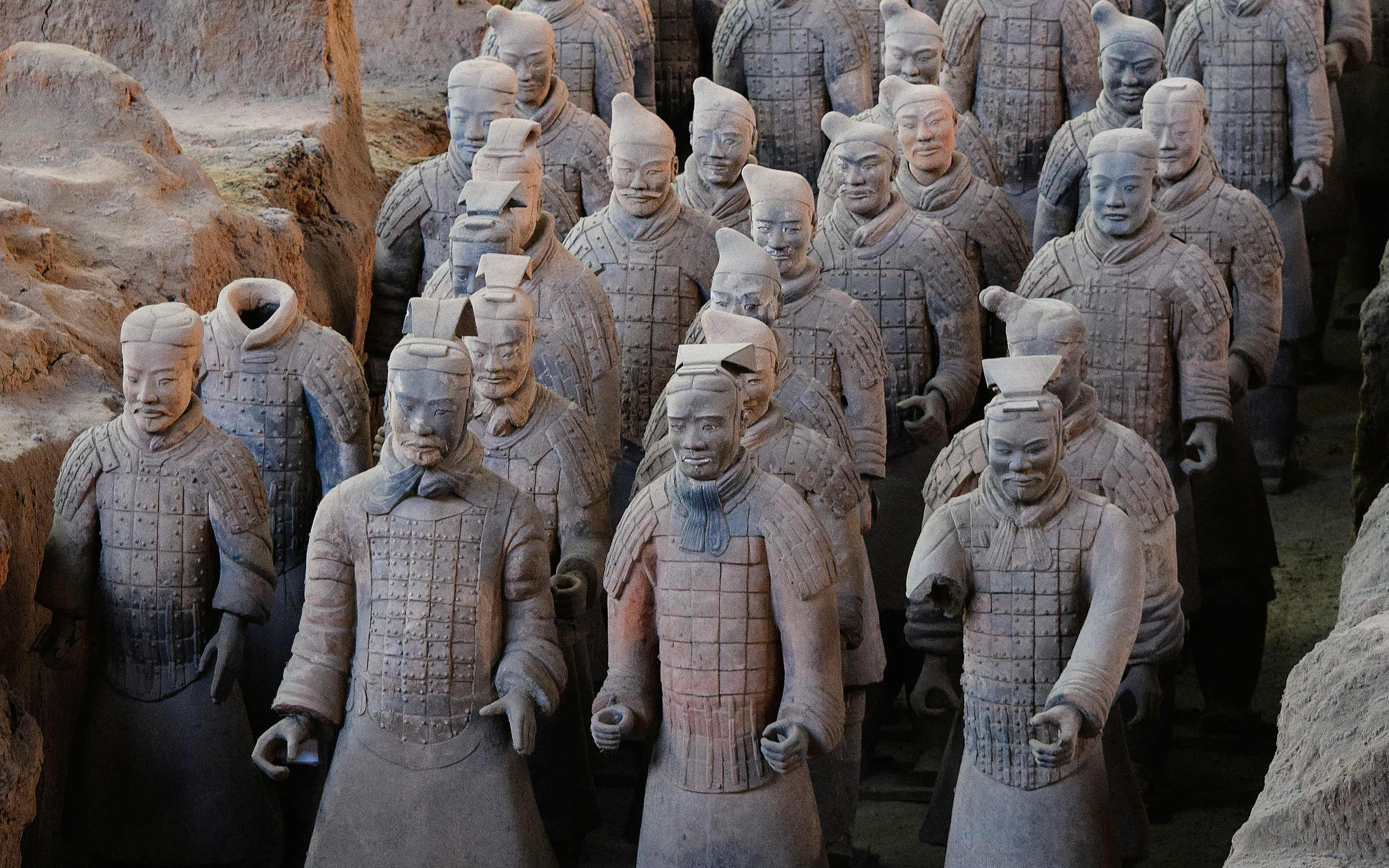
The Terracotta Army belongs to the mausoleum complex of the First Qin Emperor. It is a place to think about imperial ambition, organisation and craftsmanship, not simply a collection of identical soldiers. Looking at differences between figures gives the visit a more human scale.
Xi’an’s association with Tang Chang’an tells a later story. Modern Tang-inspired streets and performances can be enjoyable, but they are contemporary interpretations. We would distinguish them from excavated objects, historic buildings and archaeological sites when shaping a history-led visit.
Choose more than the famous day trip
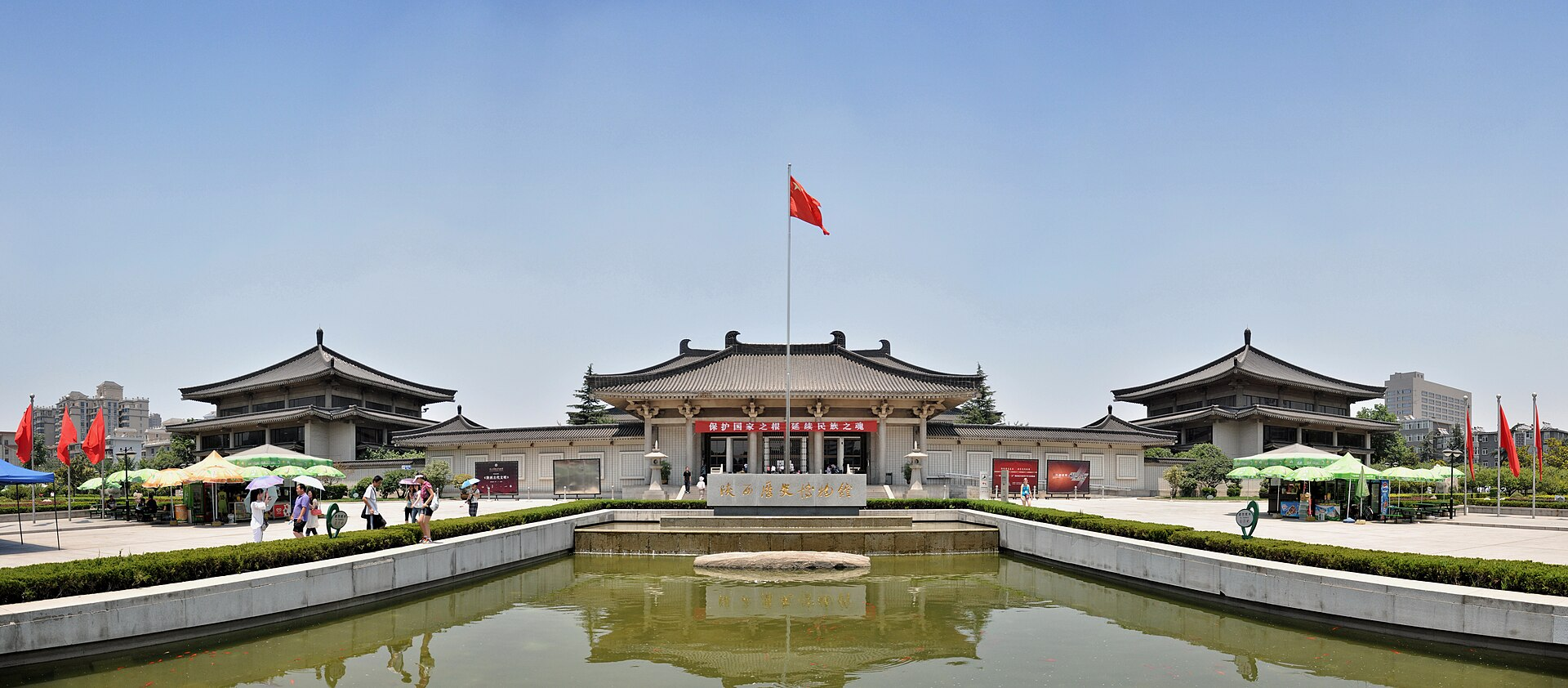
Begin with Xi’an’s museums, walls and neighbourhoods as well as the Terracotta Army. The Shaanxi History Museum can help connect objects to the periods you are exploring. A Huaqing Palace visit, an evening around the Big Wild Goose Pagoda or a Tang-themed performance should have a clear purpose in the day, rather than compete for the same afternoon.
Baoji opens a different conversation through bronze culture and Famen Temple. Huashan is a mountain outing with physical demands and weather considerations, not an effortless extra between city visits. For a longer return trip, northern Shaanxi and the Qinling region are distinct directions; neither should be treated as a quick extension to every Xi’an itinerary.
Food as an introduction to daily life
Use a few dishes to begin learning the vocabulary: roujiamo pairs bread with a savoury filling; liangpi brings a cool, dressed noodle-like dish; yangrou paomo combines torn bread with a rich mutton broth. Oil-splashed noodles offer another route into the province’s wheat-based cooking. The fillings, toppings and seasoning deserve as much attention as the names.
In Xi’an’s Muslim neighbourhoods, food is also part of a living community. Explore respectfully and ask before close-up photographs. For a vegetarian meal, clarify stock and toppings instead of assuming noodles are suitable. Tell us about sesame, wheat and other allergies so that a tasting plan can be discussed realistically.
Look for living culture
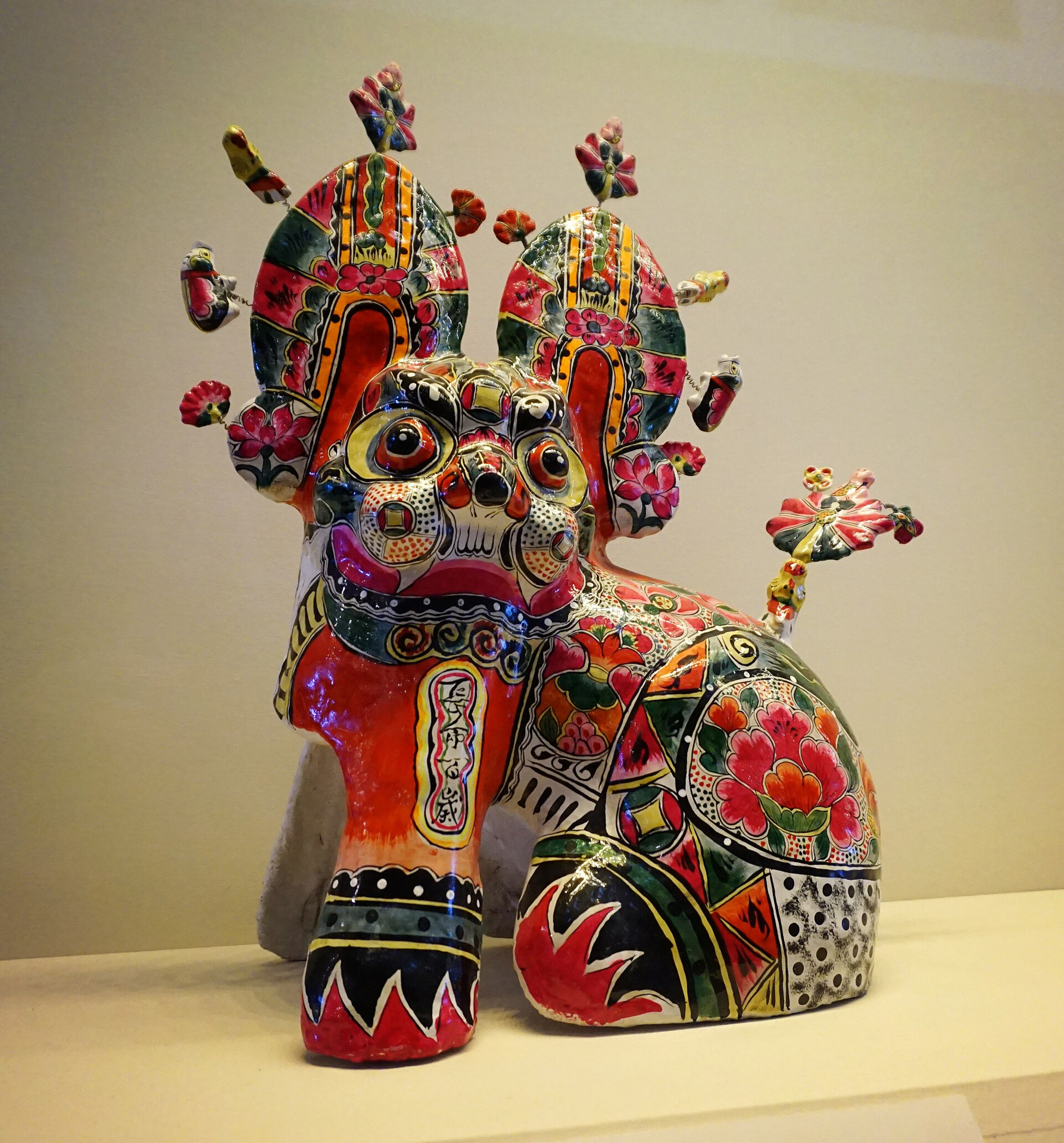
Archaeology need not occupy every day. Shaanxi shadow puppetry, Fengxiang clay figures and Xi’an drum music offer different ways to connect objects, performance and local traditions. Decide whether you would rather hear a performance, understand a technique or work with your hands.
A short shadow-puppet activity is an introduction to one aspect of a larger art. Similarly, painting a prepared object and making it from raw material are different experiences. We would describe the chosen format clearly and leave time to talk about what you are seeing.
Three days, six days or a deeper journey
Three days is a useful starting point for Xi’an if you protect a substantial block for the Terracotta Army, choose a museum and leave room for food and the city itself. Six days can support a wider provincial journey, but decide whether the extra time is for archaeology, a mountain visit or a western extension.
Do not put every museum on the same day. Objects become easier to appreciate when their stories are connected and there is time to absorb them. For children, alternate detailed cultural visits with open space or a well-matched hands-on session. For keen history travellers, fewer sites with stronger interpretation may be the better use of a private guide.
Bases, bookings and movement
A central Xi’an base is convenient for city evenings, while the mausoleum area and provincial excursions require separate travel time. Choose hotels by the complete route as well as comfort preferences. Museum reservations and attraction arrangements should be checked for your actual dates; avoid building a day around an assumed walk-in visit.
For Huashan, discuss walking ability, stairs, exposure, cable-car options and weather before selecting a route. Mountain conditions differ from the city. The appealing itinerary is the one that fits your group, with space to adjust an outdoor day.
What to notice
Let your guide connect a motif or material across places: the form of a bronze, the clothing of a figure, or the way a later period reinterprets an earlier one. This gives the trip a thread to follow. At an evening attraction, enjoy the contemporary atmosphere while keeping its relationship to the historical record clear.
When to go.
- March–May
- Consider city culture and provincial excursions, with layers for changeable spring days.
- June–August
- Protect indoor time from summer heat and leave room for rain. Check mountain conditions separately.
- September–October
- A useful starting window for mixed city and outdoor travel; allow for rain and early-October demand.
- November
- Shorter days suit a slower museum-and-food programme, with warmer clothing for outdoor sites.
- December–February
- Build around indoor culture and shorter walks. Mountain travel needs a separate winter assessment.
These are seasonal planning suggestions, not a weather forecast. Exact harvests, flowering, festivals and site access vary; we check them when shaping your dates.
Good to know before you go.
- Plan for city heat and cool evenings
- A light layer is useful in spring and autumn; summer days call for shade, drinking water and breathable clothing. Bring a warm coat for winter outdoor visits.
- A mountain needs its own packing list
- For Huashan, use grippy footwear and carry a windproof or waterproof layer. Check the mountain forecast and access separately from Xi’an’s weather.
- Protect time for museums
- Check reservation requirements before finalising the day. Keep your booking identification handy and avoid putting a major museum immediately before a fixed departure.
- Make food preferences specific
- Tell us about spice tolerance, allergies and vegetarian requirements in advance. Noodles may contain meat stock or toppings even when the main ingredient is wheat.
Sources & editorial approach
Written by China Beyond Travel from cultural and destination research. Route pacing and suggested combinations are our editorial recommendations. Cultural background sources are linked below; we check current visitor arrangements when planning your trip.