China Beyond Travel · Updated
Gansu is a journey through changing scale: a painted detail inside a cave, a riverfront city, a fortress and a horizon that seems to keep opening. The long distances are part of its character. A good route gives the art your attention and the landscape your time.
Read the route before choosing the stops
The Hexi Corridor provides a compelling east-to-west thread through Gansu. Lanzhou, Wuwei, Zhangye, Jiayuguan and Dunhuang can form the spine of a journey. Tianshui lies on a different part of the provincial route and needs deliberate time; Gannan is another geographical and cultural chapter rather than an easy detour.
Silk Road history is about networks of exchange, movement and religious ideas, not a single unchanged road. Use that idea to connect the cities, while allowing each place to have its own story. A map is useful, but the travel day matters more than the apparent closeness of two labels.
Cities with different roles
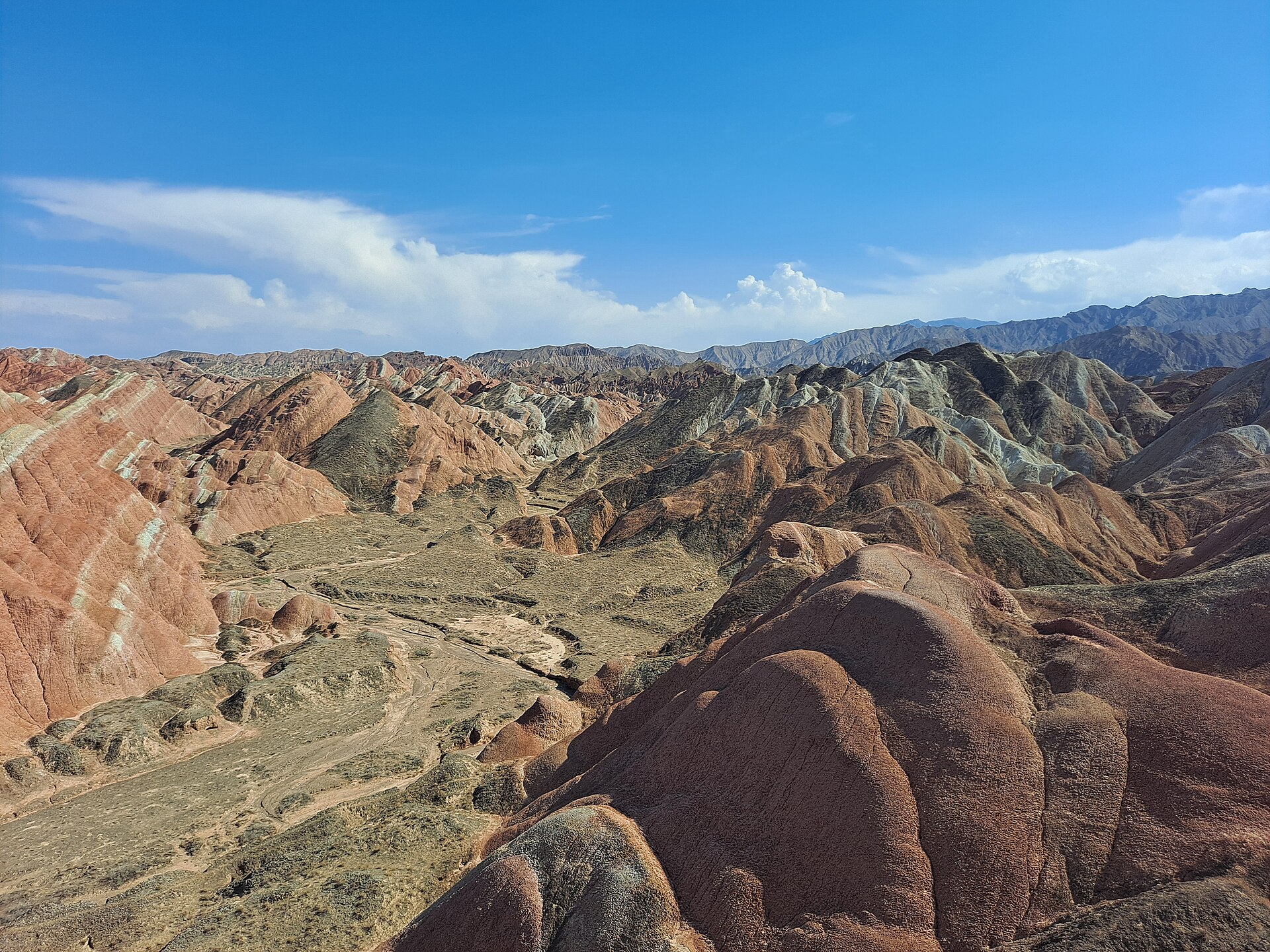
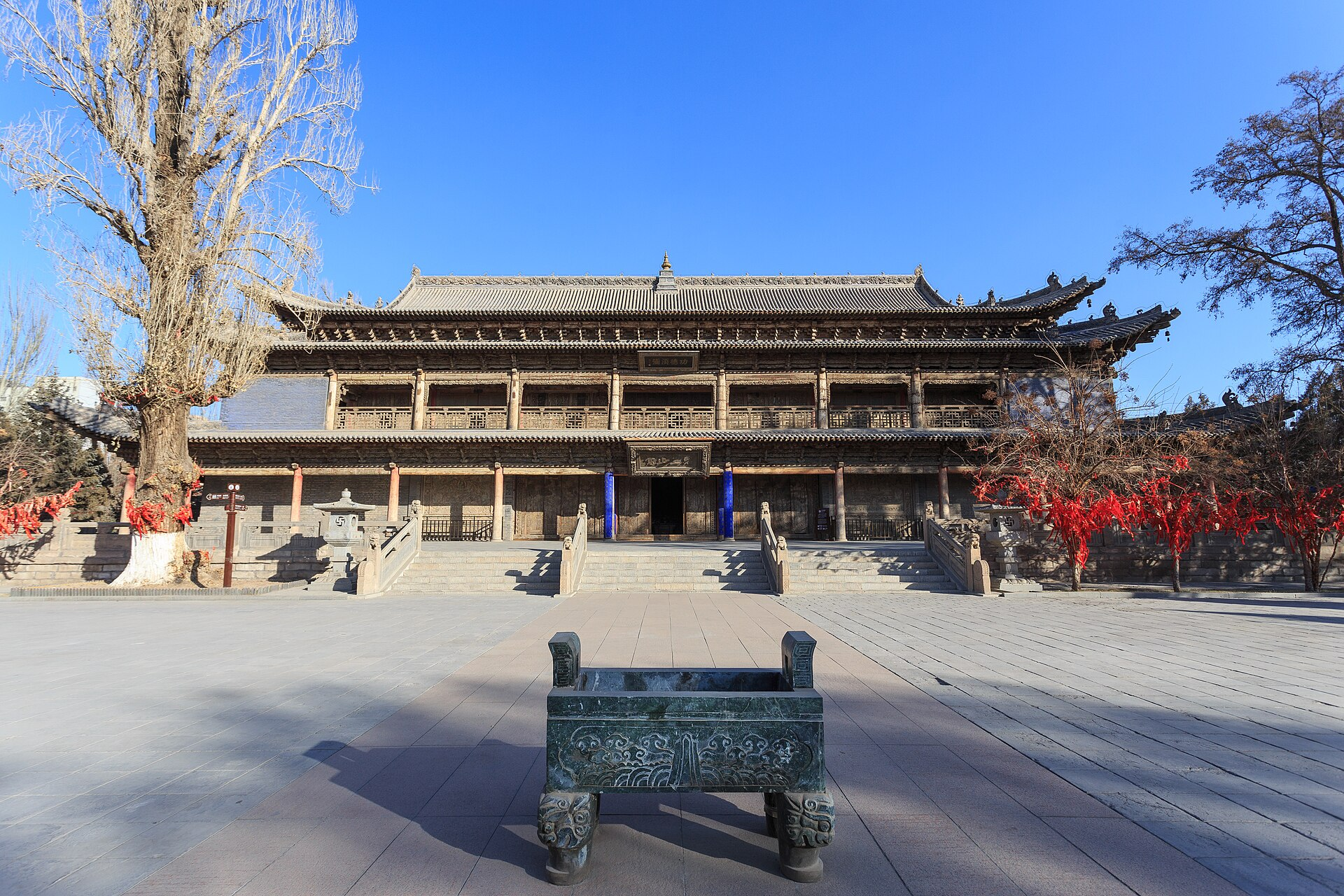
Lanzhou is a useful introduction through the Yellow River and regional museum collections. Wuwei adds the history of Liangzhou. Zhangye combines cultural visits, including the Giant Buddha Temple, with the colourful Danxia landscape. Jiayuguan changes the focus towards frontier architecture and the Great Wall.
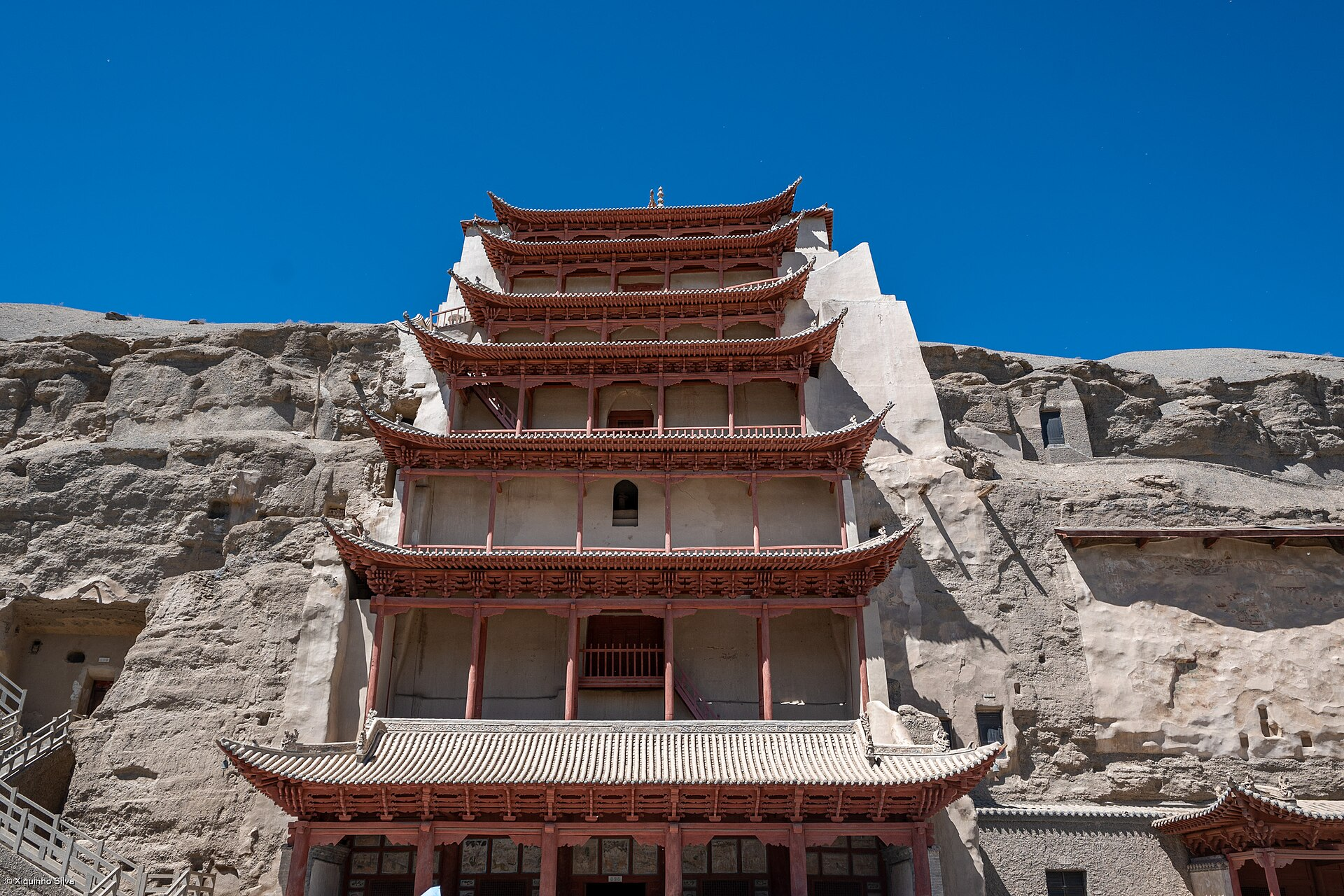
Dunhuang deserves time for both Mogao and the surrounding desert landscape. The Singing Sand dunes and Crescent Lake make a very different day from a cave visit. Tianshui’s Maijishan can add another perspective on Buddhist sculpture if the route has room; it should not become a rushed stop added only because it is in the same province.
Give Buddhist art your full attention
Mogao preserves a remarkable body of Buddhist painting and sculpture created over many centuries. Before a visit, a short introduction to recurring figures, narrative scenes and the role of donors can make the details easier to read. Concentrate on a few ideas rather than trying to memorise every date.
The caves available to visit and the format of entry are matters for the site’s current visitor arrangements. We do not promise access to a particular cave. Follow conservation and photography rules, and leave space around the visit so that it is not simply one appointment between two long drives.
A province encountered through food
A bowl of Lanzhou beef noodles is a practical introduction to everyday local food. Tianshui malatang offers a different experience. Let meals change with the route rather than expecting the same menu in every overnight stop; simple lunches can be as much a part of the journey as a carefully chosen dinner.
Vegetarian preferences need advance discussion on a route where meat broths and toppings are common. Ask about the soup base as well as visible ingredients. In smaller places, agree a workable meal plan rather than assuming that an international hotel menu or specialist restaurant will be available.
How much time does the corridor need?
For a short visit, focus on Dunhuang rather than claim to cover Gansu. Around eight to ten days is a useful starting brief for a more continuous Hexi journey, with the final allocation depending on arrival points, trains, road stages and your interest in caves and museums. Our nine-day outline is one possible starting point.
A longer trip can protect a rest period or add Tianshui. Adding Gannan needs its own time and a discussion of elevation and road travel. Choose an entry and exit that reduce backtracking where practical; schedules and connections need checking before a final route is promised.
Comfort across a changing landscape
Discuss room comfort, meals and driving limits at the start. Accommodation choices vary between cities, so a preference for five-star hotels should become a conversation about actual properties and the experience you want. Build pauses into long road days.
Desert and higher-elevation stops can have very different conditions from a city afternoon. Carry layers, drinking water and sun protection, and use the current forecast to set outdoor timing. Railway connections can reduce some road travel, but transfers at either end still belong in the schedule.
Let the landscape set the pace
Do not make the trip depend on a particular sunset photograph. Wind, cloud and visitor arrangements may change the day. Keep a little flexibility and enjoy the terrain in its actual conditions. At religious sites and in local communities, ask before photographing people and keep the visit centred on understanding rather than collecting images.
When to go.
- March–April
- Consider a culture-led trip with flexibility for wind and cool conditions, especially outdoors.
- May–June
- A useful planning window for a mixed corridor journey; layers still matter between places and times of day.
- July–August
- Discuss heat, peak-season demand and outdoor timing. Higher places need their own weather check.
- September–October
- Consider a westward circuit with cooler mornings and evenings; check the early-October holiday.
- November–February
- Expect a more specialised winter journey, with cold outdoor conditions and visitor arrangements checked individually.
These are seasonal planning suggestions, not a weather forecast. Exact harvests, flowering, festivals and site access vary; we check them when shaping your dates.
Good to know before you go.
- Dress for more than the afternoon
- Bring breathable daytime layers, a warm layer and a windproof shell. Desert evenings and higher stops can feel very different from a sunny city afternoon.
- Prepare for sun, wind and dust
- Pack a sun hat, sunglasses, sunscreen, lip balm and drinking water. Keep cameras and phones protected from blowing sand, and follow local weather advice for exposed visits.
- Keep essentials in your day bag
- Road and rail stages can be long. Carry the medication you normally use, water and a small snack, and tell us your preferred limit for driving between breaks.
- Respect cave conditions
- Follow instructions on photography, bags and conservation inside caves. Admission does not guarantee access to a specific chamber; visitor arrangements are checked for your dates.
Sources & editorial approach
Written by China Beyond Travel from cultural and destination research. Route pacing and suggested combinations are our editorial recommendations. Cultural background sources are linked below; we check current visitor arrangements when planning your trip.