China Beyond Travel · Updated
In Chinese Buddhist tradition, Putuo, Jiuhua, Wutai and Emei are the sacred seats of practice and pilgrimage (daochang) of Guanyin, Ksitigarbha, Manjushri and Samantabhadra. Buddhist tradition holds that these bodhisattvas dwell at their respective mountains, making each landscape a place to encounter a different ideal of practice.
Four mountains, four bodhisattvas
Their association with the bodhisattvas belongs to Buddhist belief and pilgrimage tradition. Each mountain also has its own documented temple history and living community.
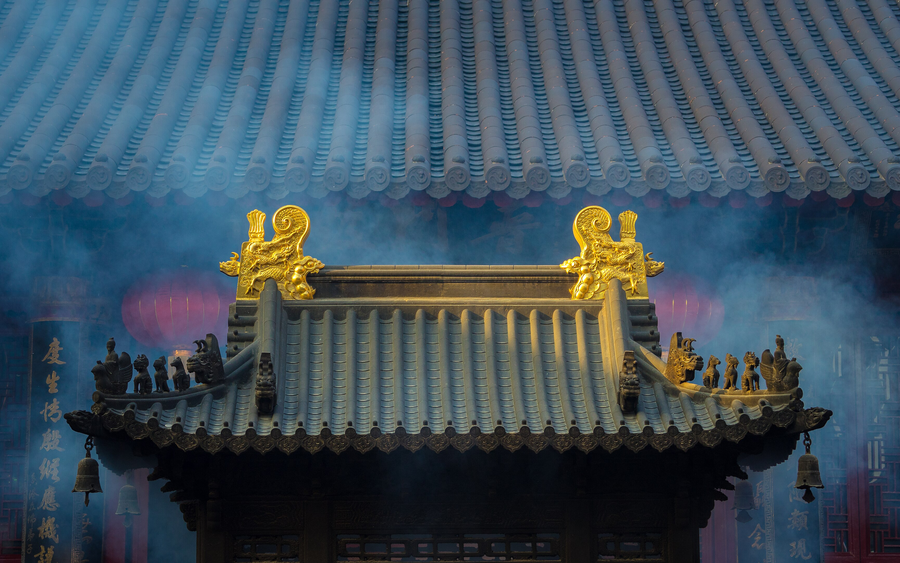 Zhejiang
Mount Putuo · Avalokiteshvara
Guanyin, the Chinese name for Avalokiteshvara, embodies Great Compassion: listening to suffering and responding with care. Buddhist tradition holds that Guanyin dwells at Mount Putuo, an island off Zhejiang’s coast and a sacred seat of practice and pilgrimage. The Nanhai Guanyin statue overlooks this landscape of sea and temples, inviting reflection on kindness, attentive listening and practical help for others.
Plan your visit Ferries and temple access depend on conditions; allow extra time for island transfers, especially in peak periods.
Explore Mount Putuo · Avalokiteshvara ↗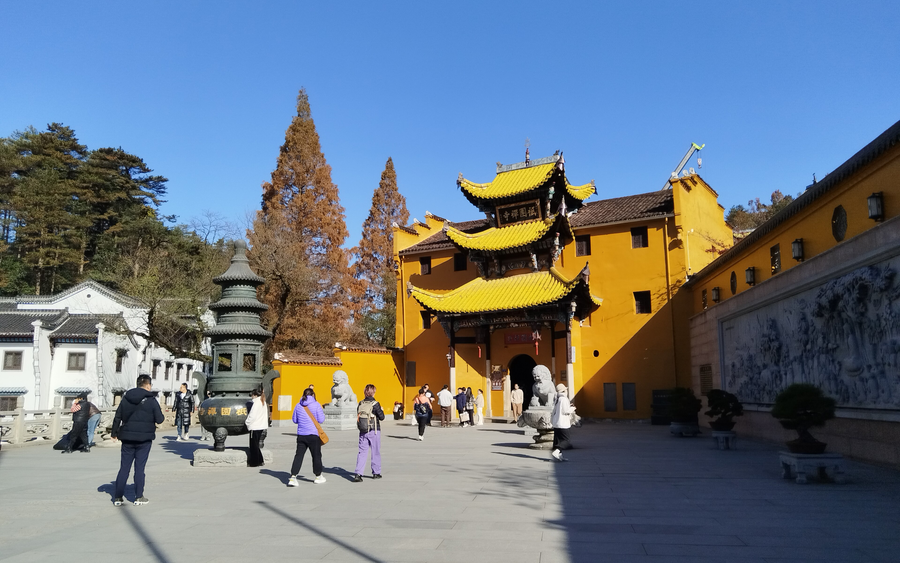 Anhui
AnhuiMount Jiuhua · Ksitigarbha
Ksitigarbha, known in Chinese as Dizang, embodies the Great Vow: a steadfast commitment to helping beings enduring the deepest suffering. His celebrated vow in Buddhist tradition is to continue this work until even the hell realms are empty. Mount Jiuhua is regarded as his abode and sacred seat of practice and pilgrimage. Its temples and monumental statue express this devotion through protection, hope and an enduring commitment to others.
Plan your visit Temple etiquette matters here; plan walking and transport around the mountain’s changing conditions.
Explore Mount Jiuhua · Ksitigarbha ↗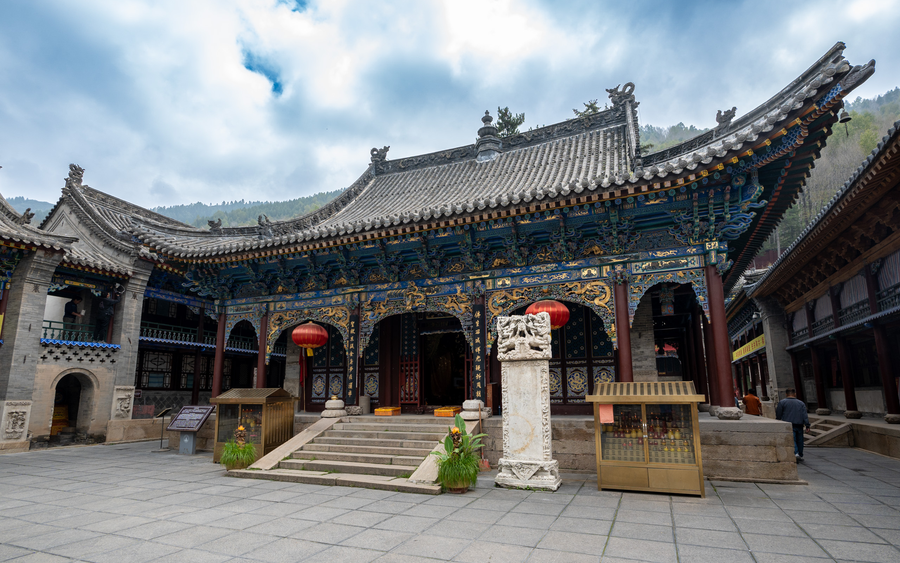 Shanxi
Mount Wutai · Manjushri
Manjushri, known as Wenshu in Chinese, embodies Great Wisdom: the insight that dispels ignorance and guides compassionate action. Buddhist tradition holds that he dwells at Mount Wutai, his sacred seat of practice and pilgrimage. The mountain brings together Han Chinese and Tibetan Buddhist communities. The lion-riding Manjushri at Shuxiang Temple gives this tradition of wisdom a vivid form.
Plan your visit Respect active worship spaces and allow time for mountain conditions and higher elevation.
Explore Mount Wutai · Manjushri ↗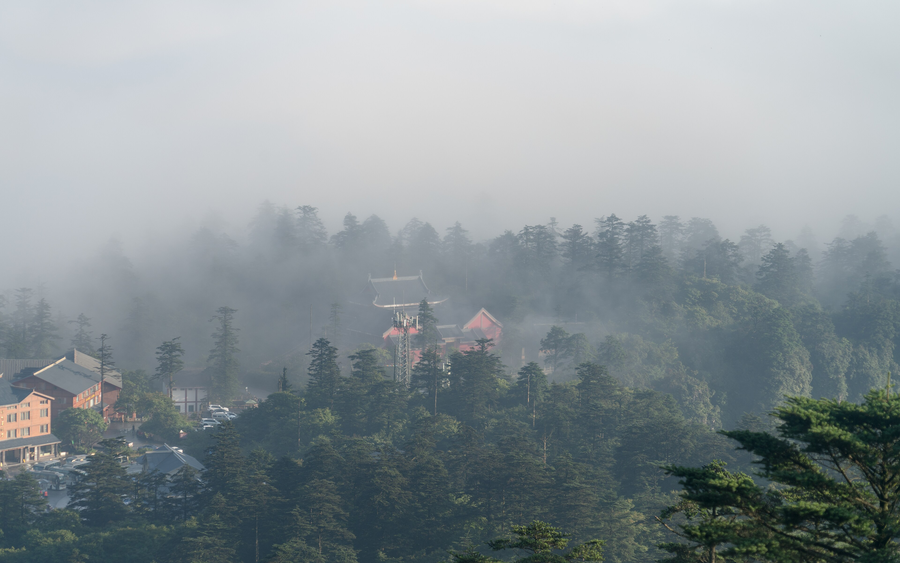 Sichuan
Mount Emei · Samantabhadra
Samantabhadra, called Puxian in Chinese, embodies Great Practice: turning wisdom and compassionate intentions into sustained action. His Ten Great Vows include honouring the Buddhas, learning from their teachings and dedicating the benefits of practice to all beings. Buddhist tradition regards Mount Emei as his abode and sacred seat of practice. The gilded Ten-Directions statue on the Golden Summit gives these ideals visible form through its multiple faces and elephant imagery.
Plan your visit A summit day depends on weather and transport; lower-mountain temples offer a worthwhile alternative.
Explore Mount Emei · Samantabhadra ↗
Make the journey your own.
- A four-mountain circuit is a substantial multi-province journey, not a short fixed tour. Choose a focus and pace before deciding the route.
- Temples are active places of worship. Dress respectfully, follow site guidance and ask before photographing people or ritual spaces.
- Mountain weather, steps and island transfers vary; we plan the practical details around your dates and mobility.
- Temple visits focus on areas open to visitors. If you hope to join a practice session or speak with a resident monastic, tell us in advance so we can check what the temple can offer.
Sources & editorial approach
Place associations are drawn from the sources below. Suggested combinations and pacing are our own; current visitor access is checked when planning.