
Classical Gardens of Suzhou
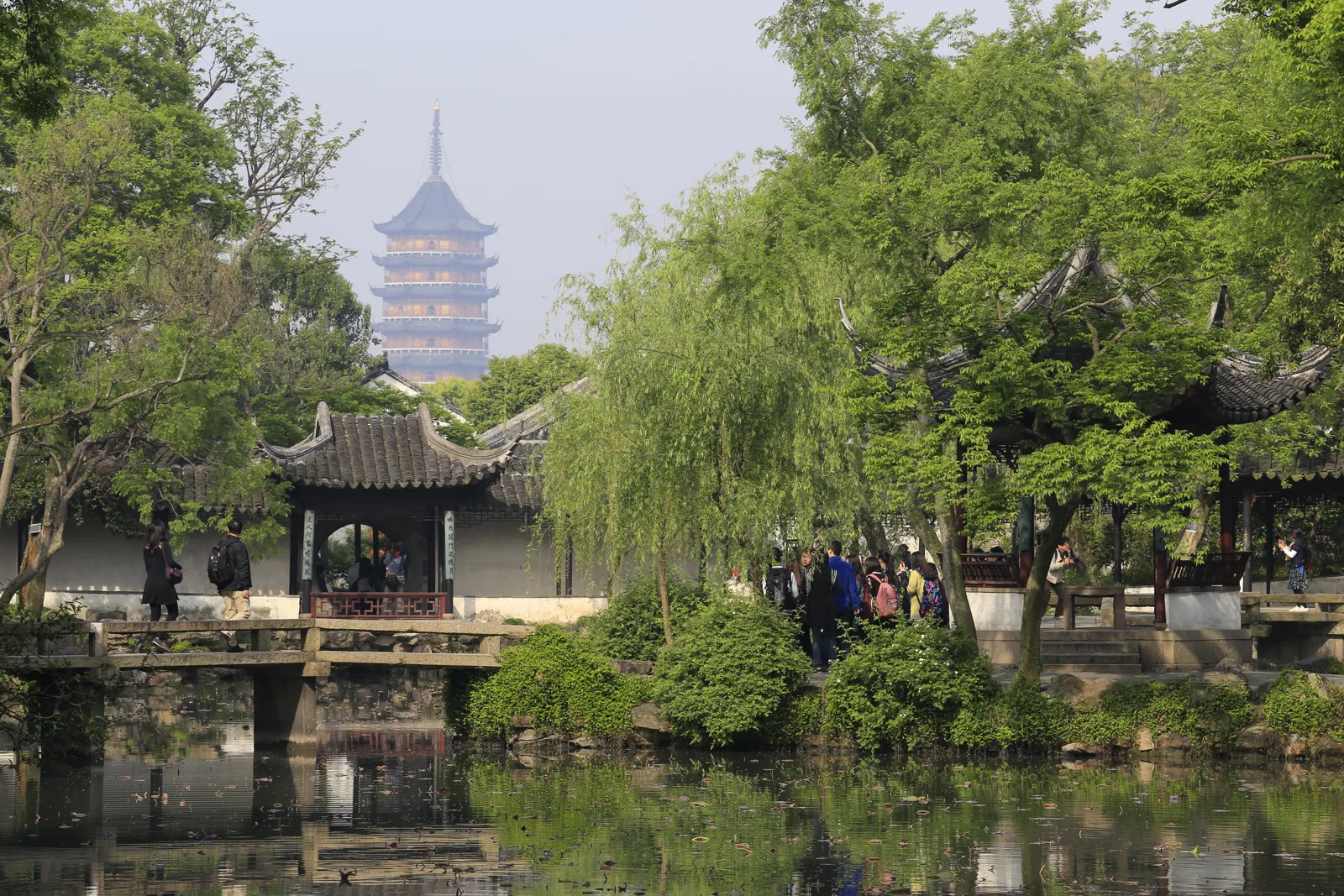
The Classical Gardens of Suzhou are nine historic gardens in Suzhou, Jiangsu, inscribed on the UNESCO World Heritage List in 1997 and extended in 2000. Their ponds, rocks, pavilions and planted views turn limited spaces into miniature landscapes, expressing a Chinese ideal of living close to nature. They are an excellent introduction for first-time visitors interested in architecture, landscape design and the quieter details of Chinese culture.
Planning your visit
Season & conditions
Choose spring for fresh foliage and flowers, or autumn for changing leaves and comfortable garden walks. These are our preferred seasons for a first visit because you can spend time outdoors without making the whole day an endurance exercise. Start with a garden in the morning, then leave the afternoon open for the old city and a meal.
In any season, slow down at windows, covered walkways and pond edges. A garden is best understood through a succession of viewpoints: pause, look through a doorway, then notice how the scene changes when you step forward. Bring shoes comfortable on stone paving and allow yourself time to sit.
Time & pace
High-speed trains from Shanghai reach Suzhou in approximately 30 minutes on suitable services; station transfers and time to reach the gardens are additional. Choose your arrival station carefully rather than assuming every station called Suzhou is equally convenient for the old city.
For a first day, we suggest two to three hours at the Humble Administrator’s Garden, lunch, and a walk beside Pingjiang Road’s canals. A second garden can be rewarding, but two contrasting gardens are usually more memorable than rushing through four. Stay two days if you want to add Tongli: give its Retreat & Reflection Garden and waterside streets their own half-day, with time for the transfer. Our Suzhou and Tongli two-day journey provides a natural starting point.
The inscribed place
The nine inscribed gardens are the Humble Administrator’s Garden, the Lingering Garden, the Master-of-Nets Garden, the Mountain Villa with Embracing Beauty, the Canglang Pavilion, the Lion Forest Garden, the Garden of Cultivation, the Couple’s Retreat, and the Retreat & Reflection Garden.
The first four entered the list in 1997; the other five were added in 2000. The Retreat & Reflection Garden, also called Tuisi Garden, is in Tongli ancient town, south of central Suzhou. Its waterside layout makes a particularly useful comparison with the larger city gardens.
Choose a theme for your visit rather than collecting names. Ask how rocks suggest mountains, how reflections enlarge a pond, and how a pavilion frames a view. These questions help turn an attractive walk into an understanding of how the gardens work.
Read the official UNESCO property record ↗
Related destinations
Journeys featuring this site
Before you visit
How many days do I need?
One day gives you a good introduction to a major garden and Suzhou’s old city. Allow two days to include Tongli and Tuisi Garden without rushing.
Can I visit from Shanghai as a day trip?
Yes. The train ride can take around 30 minutes, so a focused garden-and-canal day is practical; allow separately for getting to and from the stations.
Do I need to visit all nine gardens?
No. Start with one substantial garden and add a smaller contrasting example if garden design is a particular interest.
Which garden is in Tongli?
The Retreat & Reflection Garden, or Tuisi Garden, is in Tongli ancient town. It joined the World Heritage property in the 2000 extension.
Use Plan Your Journey to tell us which places you would like to explore and how much time you have.