Silk and the Silk Roads
The long-term silk-history presentation places cloth in networks of exchange. Follow a material or motif rather than treating the Silk Roads as one fixed itinerary through time.

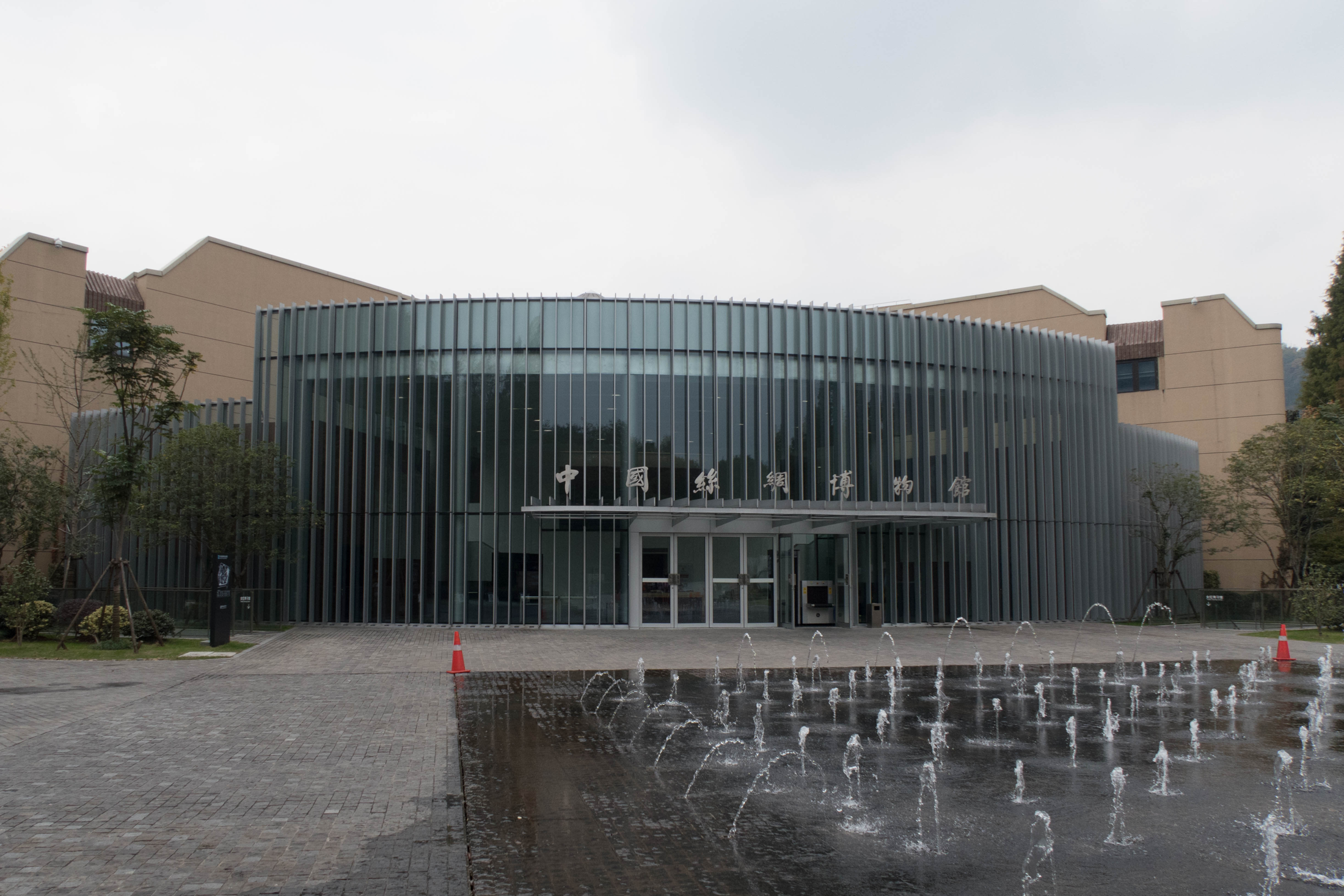
From a thread to a garment, from local making to global exchange.
China National Silk Museum · Hangzhou
Silk is easier to understand when you can see how material, technique and clothing belong together. Near West Lake, this specialist museum makes a thoughtful companion to broader historical collections and to China’s living textile traditions.
Choose the right venue. The museum is near West Lake and Yuhuang Mountain in Hangzhou. It is distinct from the Zhejiang Provincial Museum, whose Zhijiang branch requires a separate transfer.
The long-term silk-history presentation places cloth in networks of exchange. Follow a material or motif rather than treating the Silk Roads as one fixed itinerary through time.
An introductory understanding of silkworm raising and weaving makes the finished fabric more legible. Museum interpretation introduces the processes; a live demonstration or practical session depends on a separate programme.
Chinese and Western fashion collections widen the visit beyond ancient silk. Look at changing silhouettes, decoration and use to ask what clothing says about identity and the circumstances in which it was worn.
Textiles require close attention to light, storage and repair. Displays may rotate, and demonstrations are not guaranteed. The conservation theme is a reminder that what survives can be only a small part of a garment’s former life.
Allow 2–3 hours for silk history and one additional interest, or a half-day for a closer look at dress and technique. Combine with an easy lakeside afternoon rather than another full museum visit.
Opening arrangements, reservations, current displays and any specialist gallery access are confirmed before travel. Ask before photographing; follow local rules on flash and sensitive displays.
Pair this specialist collection with Zhijiang on a two-day stay. Continue into Suzhou embroidery or Nanjing Yunjin as separate living-heritage encounters to connect preserved objects with skills practised today.
Collection background reviewed 2026-10-04. Visit arrangements are confirmed for your travel dates.
A period, an artist, a material, or simply a wish to look more closely. We’ll help find the collections and the pace that fit your journey.
Include a museum in my journey ↗